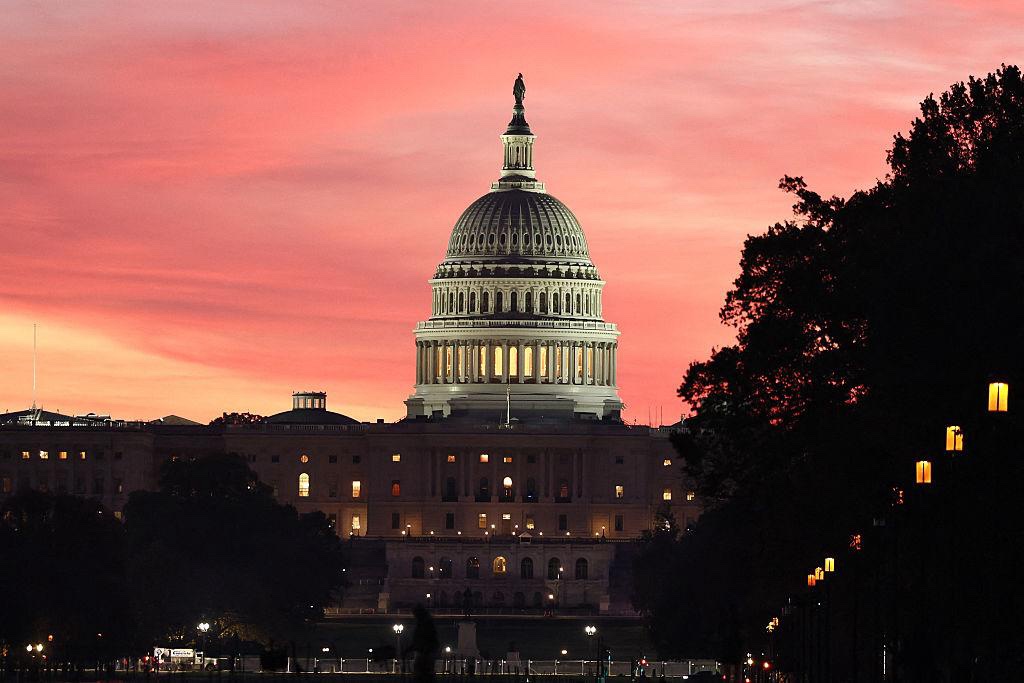
Democrats are preparing to take control of the House and Senate, but Republicans still have several weeks to advance President Donald Trump’s agenda. With a government funding deadline approaching, judicial nominations pending, and divisions emerging within the GOP itself, Washington is entering a consequential final stretch of 2026.

Prefer to listen instead?
Listen to Pixlehale’s deep dive on the lame-duck Congress: what the outgoing Republican majority can still pass, fund, and confirm before Democrats take over in January, and why these next few weeks could shape the country for years.
They Lost the Election. They Still Have the Keys to Congress.
Imagine losing control of Congress in a national election, knowing your opponents will soon take over, and still having several weeks to decide what happens next.
Welcome to Washington.
The November 3 midterm elections delivered a major political setback for President Donald Trump and congressional Republicans. Democrats secured enough victories to take control of both the House of Representatives and the Senate, ending the Republican Party’s unified control of Congress.
But here’s the part that can get lost in the celebration, finger-pointing, and political analysis.
Republicans haven’t actually surrendered power yet.
The newly elected Congress will not convene until January 3, 2027.
Until then, Republicans remain in charge of both chambers, giving them a final opportunity to advance legislation, confirm presidential nominees, negotiate federal spending, and potentially shape government policy long after their congressional majorities disappear.
In Washington, this period is known as a lame-duck session.
And despite the rather harmless-sounding name, it can be anything but harmless.
The next several weeks could determine whether the federal government remains funded, how much money the Pentagon receives, which federal judges receive lifetime appointments, and whether Congress addresses several major programs before their authorizations expire.
But there is another problem for Republican leadership.
Some members of their own party aren’t necessarily interested in going along with everything President Trump wants.
Others disagree over which priorities deserve attention before January.
And Democrats, knowing they will soon control Congress, have their own reasons to resist last-minute legislation that could limit their influence next year.
So what can Republicans realistically accomplish before their time runs out?
And more importantly, what could those decisions mean for ordinary Americans?
Losing Congress Doesn’t Mean Losing Power Overnight
First, let’s clarify something important.
The November elections changed who will control Congress in January. They did not immediately change who controls Congress today.
That distinction matters because the existing House and Senate retain their constitutional authority until the new Congress begins.
Republican lawmakers can still introduce, debate, and vote on legislation.
Republican congressional leaders can still control much of what reaches the floor.
The Senate can continue considering judicial and executive branch nominees.
And President Trump can still sign legislation that reaches his desk.
None of these powers disappear simply because voters selected a different congressional majority for the next term.
In fact, losing an election can create an incentive for a political party to accomplish as much as possible before relinquishing control.
That is the situation congressional Republicans now face.
According to reporting from The Washington Post, some Republican lawmakers have urged their colleagues to work additional days, including weekends and holidays, to advance legislation and confirm nominees before January.
But moving quickly is easier said than done.
Congress has only a limited number of scheduled working days remaining, interrupted by the Thanksgiving recess and the approaching holiday season.
Republicans also have narrow margins in the outgoing Congress, meaning absences and internal disagreements can complicate important votes.
And in the Senate, most legislation still faces a procedural hurdle requiring 60 votes to end debate.
Republicans cannot simply pass every major proposal without considering Democratic opposition.
The election may be over.
The struggle over congressional power is not.
December 11: The Deadline Americans Should Actually Be Watching
Forget the political speeches for a moment.
One of the most important dates in Washington right now is December 11.
That is when the federal government’s current temporary funding arrangement expires.
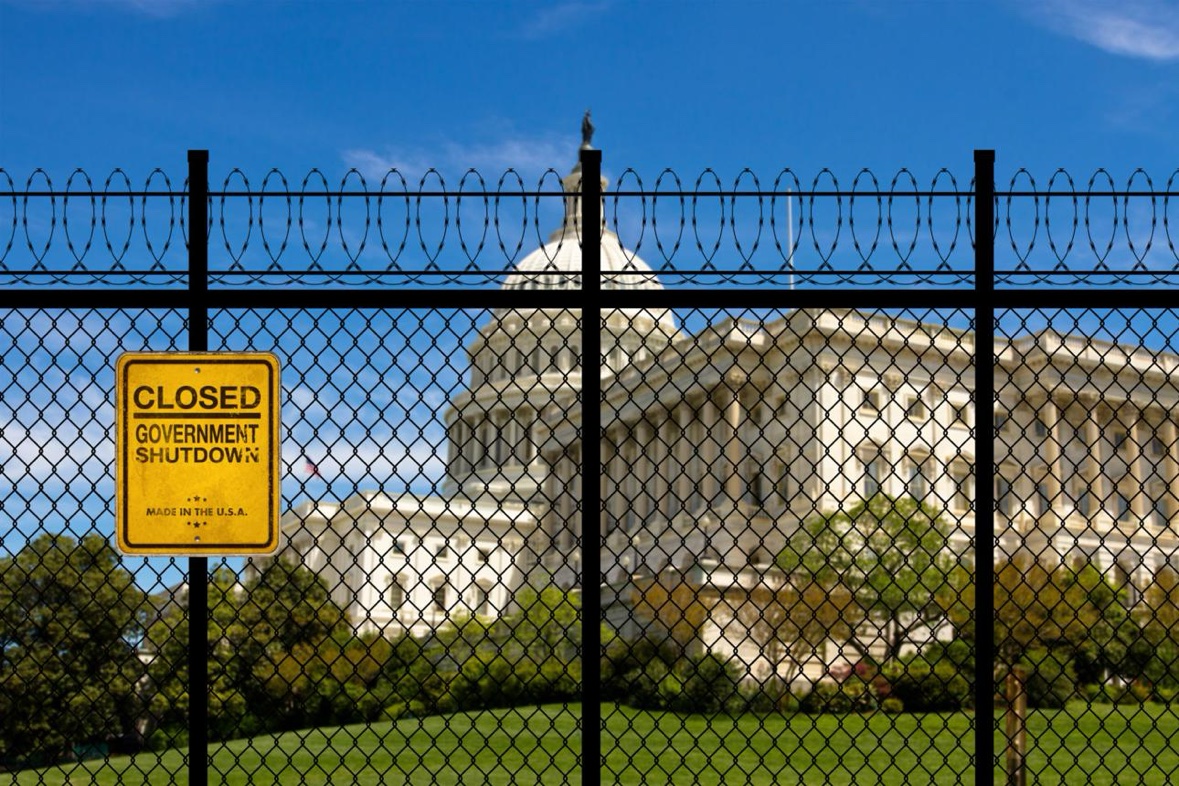
Congress must approve additional funding before then to avoid a partial government shutdown.
As of November 16, lawmakers had not completed the 12 regular appropriations bills needed to fund the government through the fiscal year.
That leaves several possible options.
Congress could negotiate and pass full-year spending legislation.
Lawmakers could approve another temporary extension, known as a continuing resolution.
Or negotiations could fail, causing funding to lapse for affected federal agencies.
For Americans, this is not some abstract disagreement about congressional procedure.
A shutdown can disrupt federal services, delay administrative work, force some employees to work without immediate pay, and furlough others.
The specific effects depend on which agencies lose funding, how long the shutdown lasts, and which activities are legally permitted to continue.
But none of those consequences should be treated casually.
And here’s where the political situation becomes particularly complicated.
Republicans have an incentive to secure their preferred spending arrangements before losing control of Congress.
Democrats, meanwhile, may see an advantage in postponing the negotiations until January, when they will have greater authority over the legislative agenda.
That does not mean Democrats necessarily want a shutdown.
Nor does it mean Republicans are incapable of reaching an agreement.
It means the two parties are negotiating from very different political positions.
One is preparing to surrender its majority.
The other is preparing to assume it.
And the federal government is caught between them.
The Pentagon Wants More Money. Congress Has Questions.
National security spending is another major area of uncertainty.
Congress faces pressure to complete the annual National Defense Authorization Act, legislation that establishes defense policy and authorizes numerous military programs.
The Pentagon has also sought additional funding associated with the ongoing conflict involving Iran.
Republican lawmakers have discussed increasing defense spending, replenishing military supplies, and pursuing additional funding through legislative procedures that could potentially avoid some of the Senate’s usual obstacles.
But those ambitions face opposition.
Democrats have raised concerns about funding the Iran conflict without additional congressional constraints or changes to domestic spending priorities.
Some have called for restrictions on how federal funds can be used in connection with the war.
Republicans have their own divisions over the size and structure of potential defense packages.
According to a November analysis by Holland & Knight, disagreements within the Republican Party over a possible budget reconciliation measure have complicated efforts to advance another major spending bill before January.
That is significant because reconciliation can allow certain budget-related legislation to pass the Senate by a simple majority rather than the 60 votes generally needed to end debate.
But it is not a magic wand.
Reconciliation legislation must comply with Senate budget rules, and Republicans would still need enough members of their own party to support it.
The practical question is whether lawmakers can agree on a defense package that satisfies congressional Republicans, attracts sufficient support where needed, and addresses opposition over the war.
For taxpayers, the debate concerns billions of dollars, national security priorities, and the balance between military spending and domestic programs.
For Congress, it is also a question of whether the outgoing majority should make major long-term decisions before a newly elected majority takes office.
Some Republicans Are Pushing Back Against Trump
This may be one of the most revealing parts of the entire lame-duck session.
The president’s party still controls Congress.
But that does not mean every Republican is prepared to support every presidential request.
Consider judicial nominations.
Trump’s administration has sought to confirm additional federal judges before Democrats take control of the Senate.
These appointments carry considerable long-term importance because Article III federal judges generally serve during good behavior, which ordinarily means lifetime tenure.
A judicial confirmation can therefore influence federal law long after a president leaves office.
But the nomination process has encountered resistance from Republicans themselves.
Reuters reported on November 15 that Republican Senators Tom Cotton and John Boozman opposed Trump’s selection of Lee Rudofsky for a federal appeals court vacancy, prompting the White House to withdraw that nomination and choose another candidate.
Meanwhile, Senators Thom Tillis and John Cornyn have resisted certain nominees and aspects of the administration’s selection process, citing concerns over the traditional role of home-state senators.
These disagreements should not automatically be interpreted as a broader rejection of Trump’s judicial philosophy.
The senators have raised specific objections to particular nominations and procedures.
Nevertheless, the political consequences are real.
Every delayed nomination consumes valuable time.
Every contested appointment complicates the Senate’s already crowded schedule.
And once Democrats take control of the chamber, the administration will face a different political environment for confirmations.
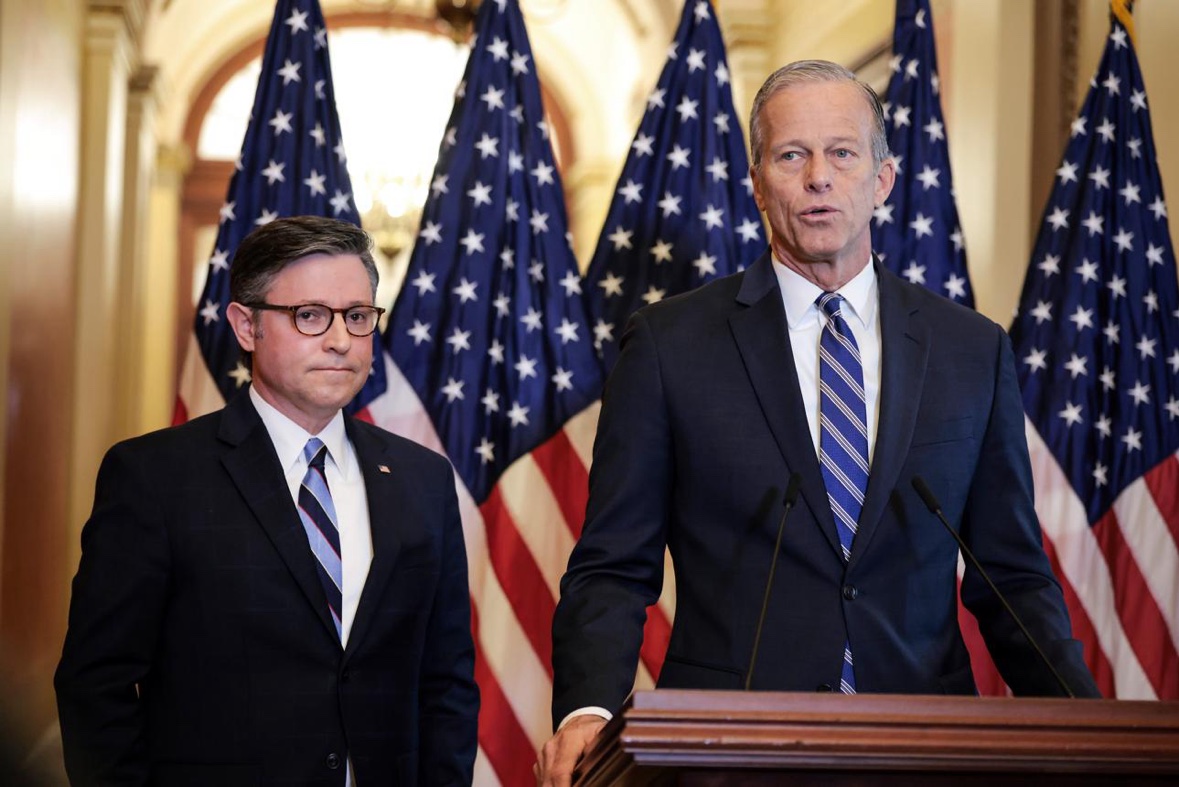
Senate Majority Leader John Thune has made confirmations a priority during the final weeks of Republican control.
But the president still needs senators willing to support the individuals he nominates.
That is a reminder of an important constitutional reality.
The Senate is not merely an extension of the White House.
Even senators belonging to the president’s political party have their own institutional powers, priorities, and disagreements.
Thomas Massie Is Making Life More Complicated for Republican Leadership
Judicial nominations are not the only source of Republican disagreement.
Representative Thomas Massie of Kentucky, who lost his Republican primary earlier this year, has continued pursuing issues that put him at odds with the Trump administration and congressional leadership.
Massie has pressed for additional action involving the release and review of Jeffrey Epstein-related records.
In November, he secured enough signatures on a discharge petition to potentially force another House vote concerning those records.
The Justice Department previously released millions of pages of Epstein-related material, but lawmakers and survivors have continued raising concerns about withheld information and the handling of sensitive records.
A Republican-led House Oversight Committee report also criticized aspects of the administration’s disclosure process, including its handling of redactions and victims’ privacy.
The committee reported that its investigation found no evidence implicating Trump in Epstein’s crimes.
That distinction matters, particularly given the volume of speculation surrounding the case.
Massie has also pursued a resolution seeking the impeachment of Defense Secretary Pete Hegseth.
The existence of such efforts does not mean they will succeed.
A discharge petition can help force House consideration under specified procedural conditions, but it does not guarantee passage.
And an impeachment resolution faces its own political and constitutional hurdles.
Still, these efforts illustrate something important.
Republican leaders are not simply managing disagreements with Democrats.
They are also managing lawmakers within their own conference who may have little reason to protect the party’s leadership from uncomfortable votes.
For a party already operating under tight margins and an unforgiving calendar, even a small number of dissenting lawmakers can complicate the legislative agenda.

What Else Are Republicans Trying to Pass?
Beyond funding the government and confirming nominees, Congress faces a substantial amount of unfinished business.
One major proposal involves reforming the federal permitting process for energy and infrastructure projects.
Supporters argue that permitting reform could reduce unnecessary delays, accelerate construction, and improve the development of infrastructure and energy facilities.
Critics have raised concerns about environmental protections, public participation, and the possibility that faster approvals could weaken oversight.
Congress must also address agricultural legislation, including portions of the farm bill, which affects farmers, rural communities, and federal nutrition policy.
Transportation programs face their own authorization deadlines, creating additional pressure to resolve funding for highways and transit.
Several healthcare provisions and other expiring federal programs also remain under consideration.
Another controversial issue involves Section 702 of the Foreign Intelligence Surveillance Act.
The surveillance authority permits the federal government, under specified legal procedures, to target certain non-U.S. persons reasonably believed to be outside the country for foreign intelligence purposes.
However, communications involving Americans can also be collected incidentally, making the program a recurring source of privacy and civil liberties concerns.
Lawmakers have debated whether to renew the authority and what additional protections should accompany it.
These are not necessarily issues that attract the same public attention as presidential speeches or election-night results.
But their consequences can be substantial.
They touch federal spending, agriculture, infrastructure, surveillance, healthcare, and the government’s ability to carry out essential functions.
And the outgoing Congress must decide which of these issues it can realistically resolve before January.
Can Republicans Rush Through One Last Major Bill?
Some Republicans would like to use their remaining congressional majorities to pass another substantial legislative package.
The attraction is understandable.
After January 3, Democrats will control the House and Senate, making major Republican legislative priorities more difficult to advance without bipartisan negotiations.
Budget reconciliation is one possible route for legislation that meets its procedural requirements.
But time is running short.
According to congressional reporting, Republicans have not reached a clear consensus on the scope of another reconciliation bill.
Potential priorities include defense spending, federal borrowing authority, and other budget-related provisions.
Different lawmakers want different things.
Some are pressing leadership to move aggressively before January.
Others have expressed reservations about the size, content, or procedural feasibility of another package.
A large bill would also require agreement between the House and Senate, compliance with legislative rules, and sufficient attendance to pass close votes.
That is a demanding assignment with only weeks remaining.
And it helps explain why holding a majority does not automatically translate into the ability to enact an agenda.
The procedural tools are available.
The political agreement is another matter entirely.
Democrats Have a Decision to Make, Too
It would be misleading to tell this story as though Republicans alone determine what happens next.
Democrats now face their own strategic choices.
They can negotiate with Republicans on legislation they believe is necessary or beneficial.
They can oppose proposals that conflict with their priorities.
Or they can seek to postpone certain decisions until the new Congress gives them greater control over committee leadership, legislative scheduling, and negotiations.
Each approach involves trade-offs.
Waiting until January could give Democrats more influence over spending and policy.
But delaying legislation could also create uncertainty for agencies, businesses, and Americans who depend on federal programs.
Cooperating now could produce immediate agreements.
But it could also mean accepting compromises that Democrats believe they could improve once their majorities take effect.
The government funding deadline creates an especially difficult test.
Neither party can entirely escape the political consequences of a shutdown.
And while Democrats are preparing to control Congress, Trump will remain president.
That means any legislation passed by the new Democratic majority will still generally need presidential approval or sufficient votes to override a veto.
The election changes the balance of power.
It does not remove the need for negotiation.
Trump Is Still President. That Matters More Than Some People Realize.
There is another misconception worth addressing.
Losing congressional majorities does not automatically turn a president into a powerless figure.
Trump will still hold the presidency after January.
He will retain authority over the executive branch, subject to the Constitution and federal law.
He will continue directing foreign policy, overseeing executive agencies, appointing officials where the law permits, and exercising his constitutional powers.
His administration can continue pursuing policy through existing statutory authorities, regulations, enforcement decisions, and executive actions, although those decisions remain subject to judicial review and congressional oversight.
Congressional Democrats will gain significant leverage.
They will control committee leadership, decide which bills advance, and possess greater authority to investigate executive branch actions.
The Senate will also have a much stronger ability to scrutinize or reject presidential nominees.
But Democrats will not automatically be able to enact their entire agenda over the president’s objections.
The result is likely to be a more divided federal government, with competing institutional powers and substantial opportunities for confrontation or compromise.
That is why the lame-duck period matters.
Decisions made before January could influence the starting conditions for the next two years.

The Supreme Court Won’t Change Just Because Congress Does
Judicial confirmations deserve particular attention for another reason.
While congressional majorities change through elections, federal judges do not generally leave office when political control shifts.
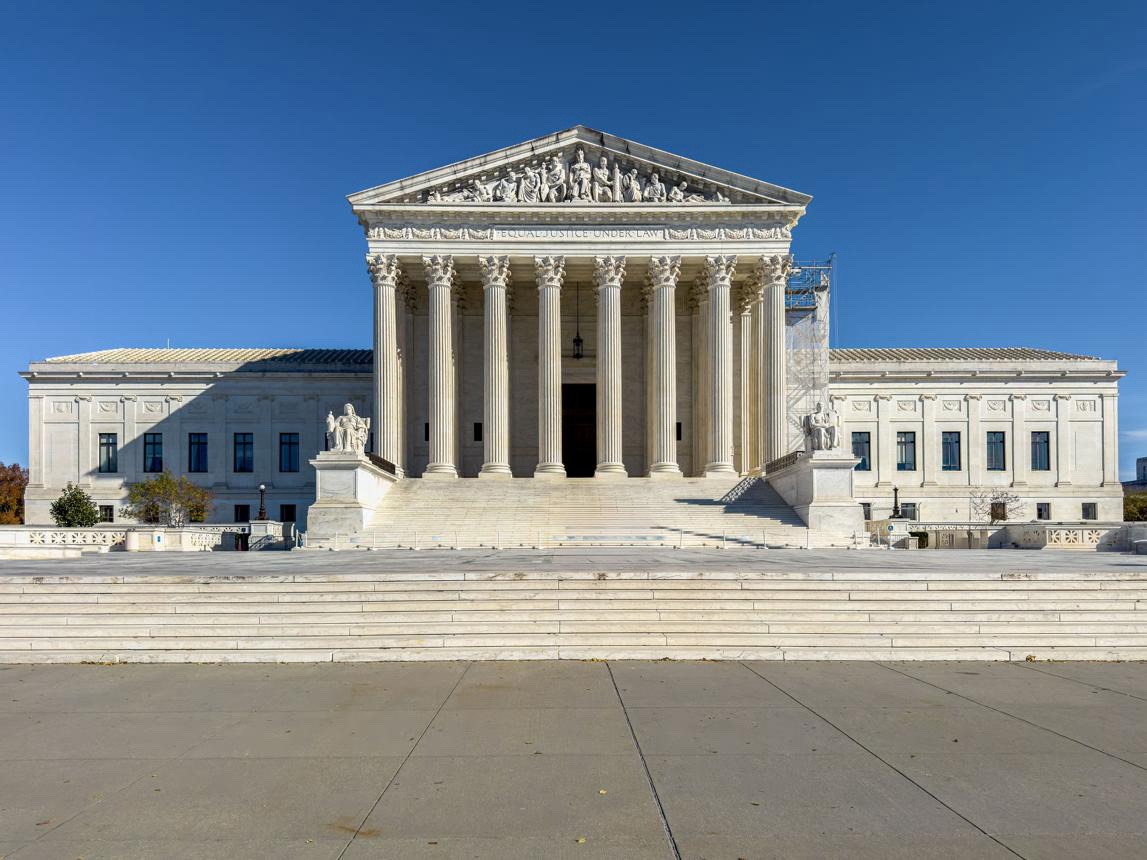
The Supreme Court and lower federal courts operate separately from Congress and the presidency.
Their decisions can affect immigration, regulatory authority, voting rules, executive power, and numerous other areas of American life.
The current Congress cannot simply appoint new Supreme Court justices at will.
A vacancy must exist before the president can nominate someone to fill it.
But the Senate can continue considering eligible federal judicial nominations before its majority changes.
That makes the remaining confirmation calendar important.
If Republicans confirm additional judges before January, those individuals could shape federal law for decades.
If nominations remain unresolved when the current Congress ends, they may need to be returned or resubmitted under the Senate’s applicable rules.
This is one of the clearest examples of how a relatively short political window can produce long-term institutional consequences.
An election can change who controls Congress in a matter of days.
The impact of a judicial appointment can last a generation.
What Should Americans Actually Be Watching?
The next several weeks will produce plenty of political theater.
There will be speeches about voter mandates.
Accusations of obstruction.
Disagreements over spending.
Arguments about presidential authority.
And almost certainly another round of speculation about which party deserves the blame for Washington’s dysfunction.
But Americans should pay attention to the substance underneath those arguments.
Will Congress keep the federal government funded after December 11?
Will lawmakers reach an agreement on defense spending and the Iran conflict?
Will expiring agricultural, transportation, and healthcare programs receive extensions?
Will the Senate confirm additional federal judges before January?
Will lawmakers reach a compromise on surveillance authorities and infrastructure permitting?
And will congressional Republicans agree among themselves on which priorities are important enough to pursue in their final weeks of control?
Those questions may not generate the loudest television debates.
But they are central to understanding what the outgoing Congress could actually accomplish.
They are also a reminder that governing continues even after voters have made their decision.
Republicans Lost Congress. But the Final Chapter Hasn’t Been Written.
The November elections changed the political direction of Washington.
Democrats are preparing to take control of both chambers of Congress.
Republicans are preparing for a very different role on Capitol Hill.
And President Trump is approaching the next stage of his presidency with less congressional support than he had before the midterms.
But January is not here yet.
For the remainder of 2026, the Republican Party still controls the legislative agenda in both chambers.
That gives its leaders an opportunity to shape federal spending, advance major legislation, and confirm nominees before the balance of power changes.
Whether they can agree on how to use that opportunity is another question.
Internal Republican disagreements, Democratic resistance, Senate procedures, and an increasingly crowded legislative calendar all limit what can be accomplished.
There is also a basic question of democratic accountability.
Voters have selected a new congressional majority.
But the outgoing Congress remains constitutionally authorized to govern until its term ends.
Those two facts are not contradictory.
They are features of the American political system.
And the coming weeks will test how elected officials handle the space between an election result and the actual transfer of congressional power.
For Americans, the stakes are more practical than partisan.
Government funding.
National security.
Transportation.
Agriculture.
Privacy.
Judicial appointments.
These issues will continue affecting people’s lives long after the campaign signs disappear.
Republicans may have lost control of the next Congress.
But they still have a few weeks to make decisions that could shape the country for years.
And that raises the question Washington should be asking:
What will they choose to do with the time they have left?
Sources: Associated Press, “Calling Control of Congress in the 2026 Midterm Elections“; Ballotpedia, “Election Results, 2026: U.S. Congress“; The Washington Post, “After Losing Congress, Republicans Have One Last Shot to Pass Their Agenda“; Axios, “Congress Faces Shutdown Deadline and Lame-Duck Challenges After 2026 Midterms“; Reuters, “Trump’s Judge Appointment Blitz Faces Republican Resistance“; Axios, “Epstein Files Vote: Thomas Massie Gets 218 Signatures for New Bill“; Holland & Knight, “The 2026 Midterms and the National Security Outlook“; Holland & Knight, “Beyond the Midterms: Congress Faces Converging Year-End Deadlines“; KPMG, “Capitol Hill Weekly: November 16“.
Read Next
Forget Washington. America’s State Governments Just Changed Dramatically.
Democrats Won Congress. So Why Are They Fighting Each Other?
America Is Going English-Only. What Happens to Everyone Else?
Leave a Reply