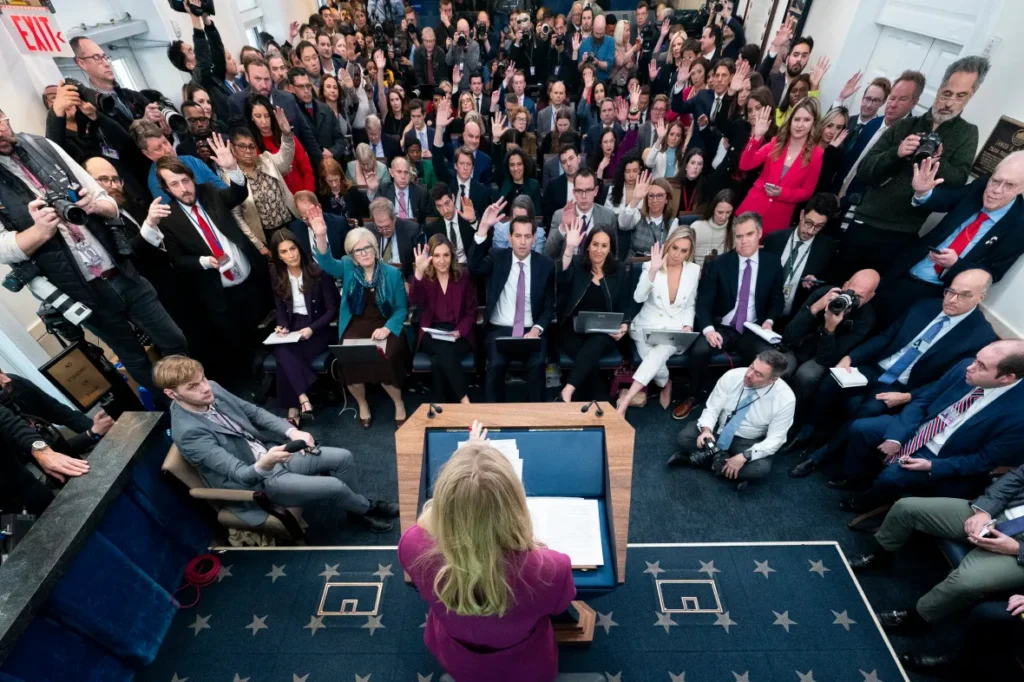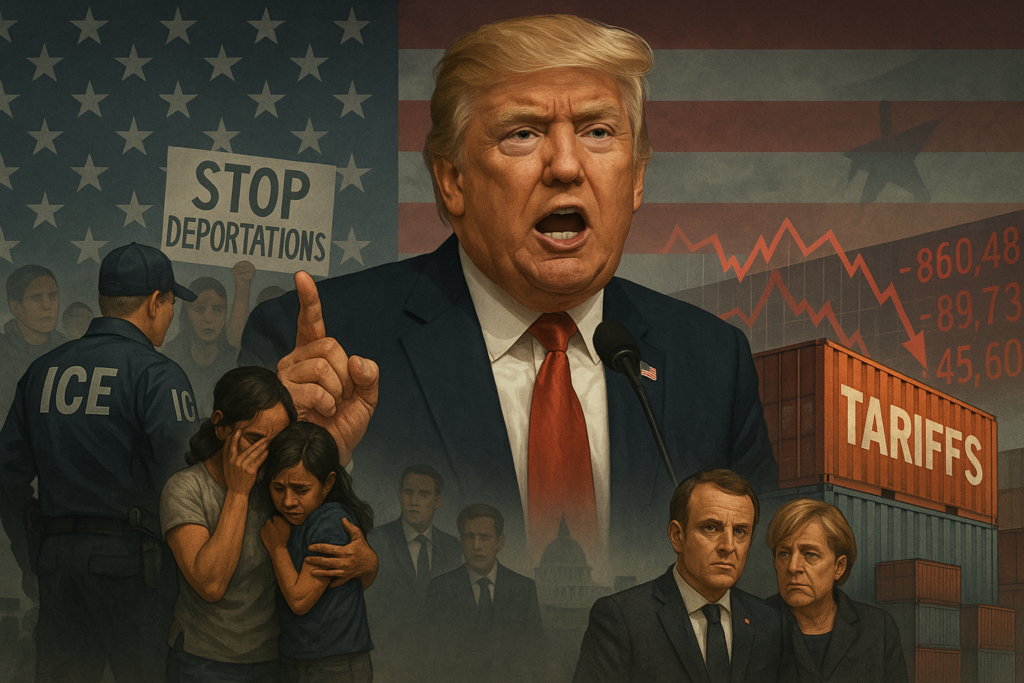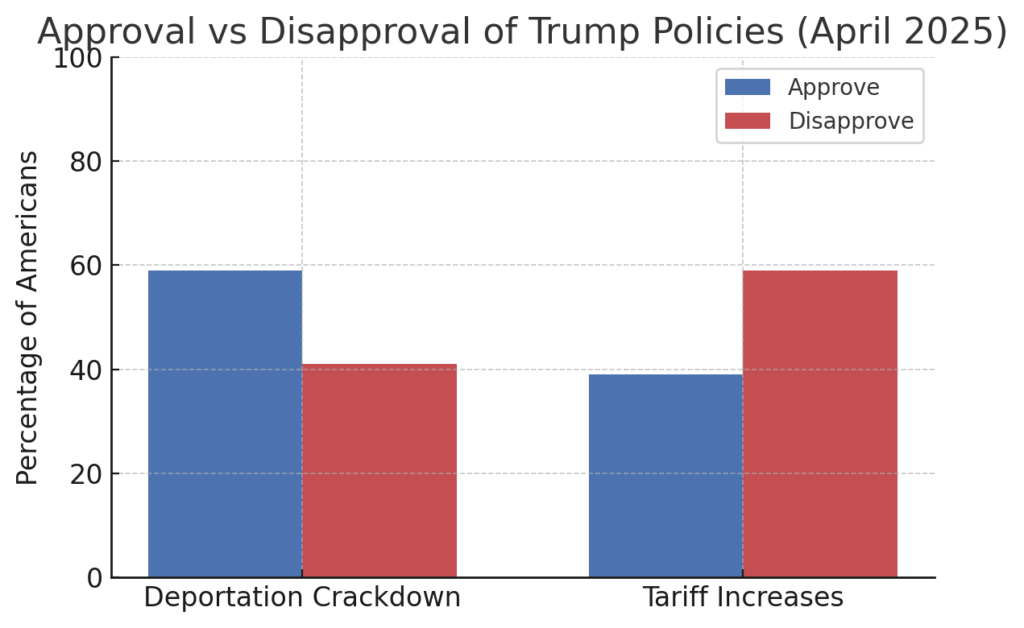
Author: Pixlehale

  • From Cuts to Conflict: A Feature Draft on Executive Power in 2026

    Prefer to listen instead?

    From Washington to the world stage, Trump’s second phase is shifting the balance of power. Here’s what’s happening and why it matters. Powered by PixleHale.

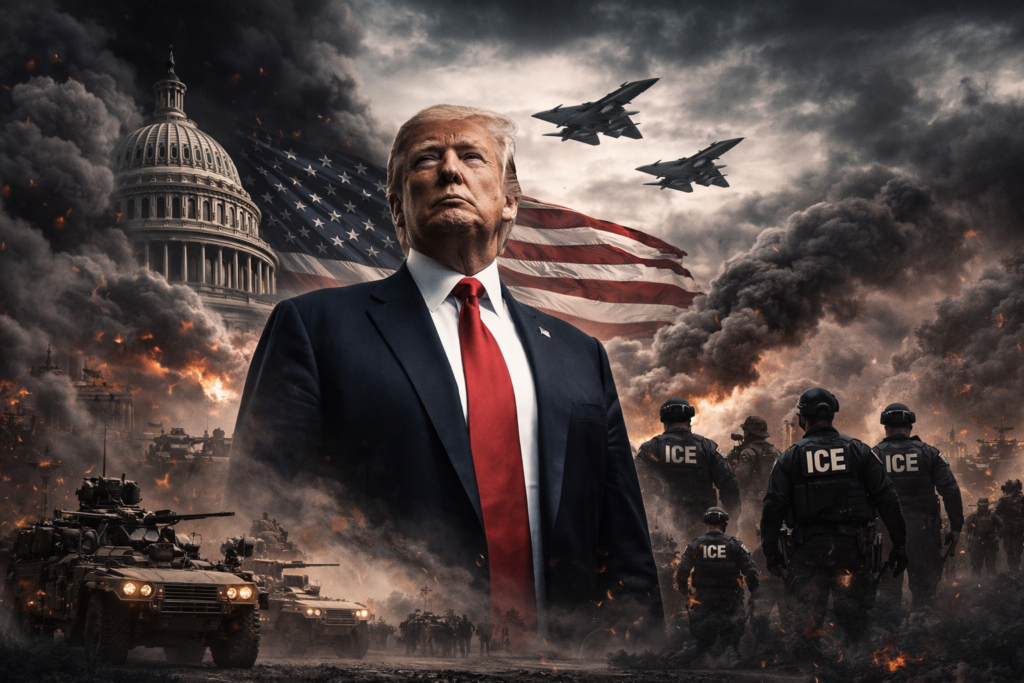
    When the Trump administration returned to power, its opening strategy was clear: move fast, cut deep, and disrupt the federal system from within. Agencies were downsized, budgets were slashed, and an unconventional alignment with private-sector figures—most visibly Elon Musk—signaled a new governing philosophy. In the early months, it was framed as reform. One year later, it looks more like transformation: not only of government structure, but of power itself. 

    The argument, from the beginning, was that the federal state was bloated—too slow, too expensive, too insulated from performance and consequence. The remedy was managerial: reduce headcount, consolidate functions, automate where possible, and centralize “efficiency” inside a new apparatus intended to do what Congress and agencies, in this view, would not do for themselves. 

    But governing is never just management. It is also coercion, legitimacy, and the daily burden of proof: can the state still deliver what the public expects—safety, services, stability—after it has been deliberately thinned?

    A smaller workforce, a larger wager

    By the end of 2025, the scale of the reduction was no longer theoretical. Analyses of government data found a net decline on the order of hundreds of thousands of positions—an unusual contraction for a modern federal workforce whose obligations remain fixed by law and by crisis. 

    The numbers vary by measurement window and dataset, but the direction is consistent: separations soared while hiring dropped, and younger, newer employees were hit hardest—suggesting a system that shed not only “bureaucracy,” but the very pipeline that renews institutional memory. 

    The downstream effects have appeared unevenly—because government is uneven. Some offices, facing statutory deadlines or operational risk, rehired quickly. Others simply slowed. Service problems do not always arrive as a single collapse; they arrive as a widening queue: longer wait times, fewer inspectors, slower processing, more unanswered calls. 

    And the impact has not been contained to Washington. In the D.C. region alone, local economic reporting tied job losses and reduced pay to fiscal planning worries—less income-tax revenue, less consumer spending, and the quiet erosion of what had long been the city’s stabilizing economic sector. 

    The most consequential policy question is not whether government can be made smaller. It is whether, in practice, it can be made smaller without becoming brittle—unable to absorb shocks without improvisation, exceptions, or emergency workarounds that contradict the original logic of “efficiency.” 

    Enforcement comes home

    While the government cut inward, it also expanded outward—most visibly through immigration enforcement. And on that front, the story has been less about spreadsheets than about streets: raids, protests, clashes over authority, and in several cases, deadly force. 

    Nowhere symbolized that collision more than Minneapolis. A large enforcement surge brought thousands of agents into the region and produced thousands of arrests, according to ICE. But it also produced a secondary economy of fear: families who stopped going to work, patients who missed medical appointments, students who disappeared from classrooms—spreading the consequences far beyond the individuals ICE was trying to identify and remove. 

    Members of U.S. Immigration and Customs Enforcement (ICE) detain an observer, who was later released, as part of U.S. President Donald’s Trump’s immigraton policy, in Minneapolis, Minnesota, U.S., January 6, 2026. REUTERS/Tim Evans

    The surge became nationally defining after two U.S. citizens were killed in shootings involving federal immigration agents. Federal and local accounts have repeatedly diverged, with local officials pointing to video evidence they say undermines federal claims of self-defense. 

    The pattern extended beyond Minnesota. In South Texas, the killing of U.S. citizen Ruben Ray Martinez in March 2025 drew little attention until records litigation and reporting revealed the federal role and raised questions about disclosure and narrative control. 

    Alongside shootings, deaths in custody became another pressure point. Reporting on individual cases—like the death of an Afghan immigrant shortly after intake—has been paired with broader allegations from lawmakers and advocates that rapid detention expansion is straining medical care and oversight, while DHS insists its screening and care processes remain adequate. 

    The deeper question, for the administration and for the country, is what this enforcement model produces when scaled: whether it can be aggressive without becoming indiscriminate, and whether the state can intensify coercion while also maintaining broad public legitimacy for how that coercion is used. 

    War abroad, consequences at home

    If domestic policy is now defined by contraction and enforcement, foreign policy has been defined by escalation.

    The U.S.-Israeli war with Iran—launched February 28 and described by U.S. Central Command as “Operation Epic Fury”—shifted the administration’s second year into a different register: major combat operations, contested maritime corridors, and a rapidly tightening link between military decisions and the price of daily life. 

    The administration has publicly described objectives in stark terms, while reporting captured frequent changes in messaging around end-state and timeline—an inconsistency that critics cite as evidence of poor planning and supporters frame as flexibility in war. 

    Operational metrics underscore intensity: by mid-March, U.S. Central Command reported 7,800+ targets struck and 120+ Iranian vessels damaged or destroyed, alongside thousands of combat flights. 

    And the war’s domestic impact is not abstract. Reuters/Ipsos polling reported that a majority of Americans say higher gasoline prices are already hitting household finances, and that the cost of living—long a central political vulnerability—has become even more exposed in wartime conditions. 

    Congress, meanwhile, has revived an old constitutional argument: who decides when “major combat operations” become war—and how long a president can sustain hostilities without explicit authorization. That debate has sharpened as lawmakers attempt, and fail, to constrain executive war powers through War Powers Resolution mechanisms. 

    Venezuela and Cuba: oil, leverage, and a hemispheric playbook

    The throughline between domestic enforcement and foreign escalation is not only ideology. It is also leverage.

    In Venezuela, the administration executed a high-profile capture operation against Nicolás Maduro and quickly pivoted toward managing oil supply in ways that appear calibrated to global energy pressures—authorizing certain transactions involving PDVSA while keeping payments and legal frameworks tied to U.S. oversight. 

    The diplomatic reset is visible: the U.S. flag has been raised again at the embassy in Caracas, seven years after its lowering—symbolic theater, but also a signal that the U.S. is building a new relationship with whoever holds power in Venezuela now. 

    Cuba has been treated differently: not as a partner to manage, but as a regime to squeeze. Reporting from Reuters and Time described an effective fuel blockade that has contributed to blackouts and humanitarian stress, while talks proceed under extraordinary pressure and Cuban officials reject U.S. demands that touch leadership succession. 

    The rhetoric has been blunt enough to become its own story. Trump has publicly described the possibility of “taking” Cuba, while U.S. officials emphasize “deals” and Cuban leaders frame the policy as an attempt to force surrender through economic suffocation. 

    The shape of the era

    Taken together, the past year suggests a presidency moving on two tracks at once: shrinking the administrative state while expanding the coercive state—more capacity to compel, less capacity to serve. That is a volatile combination, because legitimacy depends on both. 

    Supporters see coherence in the approach: a government that enforces borders, acts decisively abroad, and refuses to subsidize institutions it deems inefficient. Critics see overreach: executive power expanding faster than oversight, and a thin state that can still punish but struggles to deliver. Polling suggests the country remains polarized, with rising unease on cost-of-living pressures and limited public appetite for escalatory ground-war scenarios. 

    What happens next will not be decided by rhetoric alone. It will be decided by outcomes: whether services degrade, whether courts constrain, whether wars widen, whether markets punish, and whether communities accept the tradeoffs a sharper enforcement state requires. 

    Sources: Key insights and framing in this article are informed by reporting and analysis from major national and international outlets, including Pew Research Center, which provided context on public opinion trends and political polarization, as well as coverage from Reuters and Associated Press on federal policy developments, international conflicts, and economic signals tied to the administration’s actions. Additional analysis was drawn from PBS NewsHour and the Council on Foreign Relations, particularly regarding geopolitical dynamics involving Iran and Latin America, while reporting from The Guardian, Politico, and Semafor helped capture political reactions, legal developments, and evolving narratives across party lines. Additional context on immigration enforcement and federal restructuring was informed by publicly available reporting, official government statements, and releases from The White House and other federal records. This article was produced by PixleHale and its editorial contributors, with all interpretations based on a synthesis of these sources to provide a balanced and comprehensive perspective.

  • Kid Cudi – Free: A Different Kind of Escape

    Prefer to listen instead?

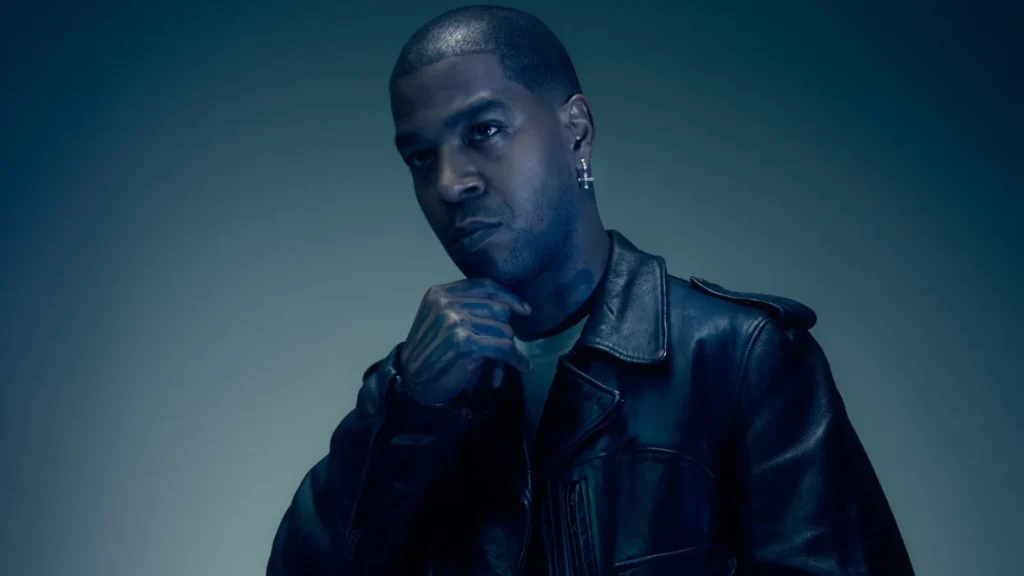
    Take a sonic dive into our full review of Free—Kid Cudi’s latest album that reveals a different, more liberated side of the Man on the Moon. From airy optimism to reflective depth, hear how Cudi balances vulnerability with confidence and why this project expands his legacy. Powered by Pixlehale.

    Kid Cudi has always been more than a rapper. He’s a cultural figure, a generational voice, and for many fans, a lifeline. His music has carried listeners through moments of isolation and uncertainty since the release of Man on the Moon: The End of Day back in 2009. But with Free, Cudi takes a step in a direction that feels less tethered to pain and more grounded in self-liberation.

    Where past albums built themselves around the haze of loneliness, addiction, and the search for belonging, Free sounds like an exhale. It’s lighter in spirit, broader in sound, and more outward-looking than some of his most famous work. It doesn’t erase the darkness that made Kid Cudi a legend — instead, it reframes it, suggesting that growth means learning how to live with your shadows rather than being consumed by them.

    Breaking Out of the Mold

    What makes Free stand out in Kid Cudi’s catalog is its refusal to sit in a single mood. The production is eclectic but intentional: spacey synths, thumping basslines, and rhythmic layers that blend elements of hip‑hop, alternative, and electronic textures. This is an album that dares to be playful and sonically adventurous without abandoning the emotional depth we’ve come to expect from him.

    • “Neverland” brings forward an airy optimism—with acoustic guitar framing Cudi’s reflective yet hopeful tone, it feels like an invitation to a lighter emotional space.
    • “Mr. Miracle” lands more firmly in the arena of alternative rock, offering confident, swaggering energy that flips the script on the anguished Kid Cudi of old.
    • “Opiate” delves into introspection—the title alone hints at internal exploration, and the pacing gives space for moodier, contemplative lyrics.
    • “Deep Diving” delivers a layered, immersive soundscape that showcases Cudi’s calm confidence and introspective flair.
    • The opener, “Echoes of the Present”, sets the tone—brief and evocative, it functions as a sonic breath, welcoming listeners into this more liberated and dynamic version of Cudi .

    Compared to the atmospheric melancholy and cosmic solitude of the Man on the Moon series, Free feels distinctly colorful—a palette shift from grey to rich, textured hues. In short, Free isn’t about reinventing Kid Cudi—it’s about expanding the spectrum of what Kid Cudi can be: hopeful, grounded, multidimensional, and, above all, free.

    A Different Side of Cudi

    What makes this album good isn’t just the sound; it’s the way Cudi presents himself. The vocals feel sharper, less clouded, and more confident. His signature hums are still present — they’ve become his calling card — but they now work as connective tissue rather than emotional crutches.

    Lyrically, Cudi feels like he’s arrived at a place of acceptance. Instead of narrating battles with inner demons, he’s writing about movement, change, and freedom. He’s not ignoring the darker parts of his journey — they’re still there, but they’re reframed. That tonal shift makes Free resonate as a more mature, even hopeful project.

    Why Free Works

    The strength of this record is in its restraint. Cudi doesn’t try to make Free into another blockbuster trilogy closer like Man on the Moon III, nor does he dive into abrasive experimentation like on Speedin’ Bullet 2 Heaven. Instead, he strikes balance: the production is layered but not overbearing, the writing is emotional but not weighed down, and the overall project feels cohesive without being predictable.

    This is an album for longtime fans who have grown alongside him — fans who don’t just want to revisit old scars but want to celebrate healing, growth, and the joy of feeling lighter.

    Why Free Matters

    Kid Cudi’s Free may not be his most groundbreaking work, but that’s precisely the point. It doesn’t try to compete with his past or replicate the blueprint that made him iconic. Instead, it gives us a different side of him: calmer, brighter, and freer.

    This is the sound of an artist who has carried weight for too long, finally setting it down. For fans, it’s a reminder that while Kid Cudi will always be the man on the moon, he’s also someone who knows how to live under the sunlight.

  • Swipe Fatigue: How Dating Apps Changed Modern Love and Loneliness

    Prefer to listen instead?

    This audio feature explores how dating apps are reshaping modern love—from the thrill of unlimited options to the fatigue of ghosting, loneliness, and endless swiping. We also look at how social media distorts expectations and why the Tea app controversy revealed deeper cracks in digital trust. Powered by Pixlehale.

    Dating enters the swipe era. Not long ago, finding a date meant meeting through friends, family, or chance real-life encounters. Today, those traditional avenues have been largely supplanted by smartphone apps like Tinder, Bumble, and Hinge, where a single swipe can spark (or snuff out) a connection. This seismic shift—from in-person courtship to algorithm-driven matching—has opened up unprecedented opportunities to meet people beyond one’s usual circles. Yet it also comes with unexpected consequences. Many observers worry that the rise of app-based dating is coinciding with declining relationship stability
    and satisfaction in society . At the same time, issues like dating fatigue, loneliness, and depression are on the rise, particularly among young men navigating this new digital romance landscape.

    In this article, we take a journalistic yet analytical look at how dating apps have transformed contemporary dating culture. We’ll explore the benefits these apps brought—greater accessibility, expanded options, and convenience—alongside their downsides—burnout, objectification, and the “shopping” mindset toward
    partners. We’ll examine research suggesting that relationships formed via swipes may be less stable or fulfilling than those formed the old-fashioned way. In particular, we’ll discuss how the swipe era might be fueling loneliness among men 18–35, drawing on psychological studies and statistics. We’ll also consider
    how social media heightens dating expectations and erodes self-worth by showing only highlight reels of love. And as a case study of dating frustrations, we’ll briefly touch on the controversial Tea app, which aimed to make dating safer for women by sharing information about men, stirring cultural debates in the process.
    Throughout, we’ll compare today’s app-dominated dating scene to the pre-app dating world in the U.S., U.K., and Europe, to understand what has been gained—and lost—in the pursuit of love online.

    From Matchmakers to Match Algorithms: The Dating App
    Revolution

    It’s hard to overstate how quickly dating apps have become central to modern romance. The first major dating website, Match.com, launched in 1995, but the true revolution began with smartphone apps in the 2010s. In the span of about a decade, online dating evolved from a niche novelty to a mainstream way to meet partners. Roughly 3 in 10 U.S. adults today have used a dating site or app, including nearly half of those under 30. In the U.K., about one-third of new relationships in the late 2010s started online, a share projected to surpass 50% by 2035. Across Europe and beyond, similar trends hold: Tinder has become the most popular dating app in both the U.S. and Europe, boasting tens of millions of users worldwide. By one estimate, over 350 million people globally use dating apps, roughly 4% of the world’s population.

    This appification of dating fundamentally changes how people find romance. Instead of relying on chance meetings at a bar or introductions through mutual friends, singles can now browse an endless catalog of profiles anytime, anywhere. A shy introvert can chat up matches from the comfort of home, and a busy professional can efficiently filter potential partners by age, interest, or proximity. “More people will meet their partner online than offline by 2035 if current trends continue,” one report noted. The digital approach is especially liberating for those who historically faced challenges in finding partners—whether due to sexual orientation, geography, or social anxiety.

    Yet for all its convenience and reach, swipe-based dating marks a dramatic shift in dynamics. Traditional dating often involved gradual face-to-face courtship, limited by geography and social circles. Now, a user might scroll past dozens of faces in minutes, making split-second judgments on looks and blurbs. The sheer scale of options has few precedents in human history. Has this abundance of choice actually improved our love lives?

    The Upside of Swiping

    Wider Reach and Diversity: Apps connect people across town or across countries, making relationships more accessible than ever. They’ve helped facilitate more interracial and same-sex relationships, as well as connections across social classes and interests.

    Convenience and Efficiency: No more waiting for chance encounters—matches can happen at midnight on the couch or during a lunch break.

    Filtering and Compatibility: With filters for distance, age, and interests, users feel more in control of who they meet.

    Inclusivity for Niche Groups: From introverts to single parents, marginalized users often find communities more easily online.

    Success Stories: Many happy marriages and long-term relationships have begun with a swipe, with roughly 1 in 5 young partnered adults meeting online.

    The Burnout Factor

    Dating apps are built on endless choice, and while that can feel empowering, it often leads to what psychologists call “choice overload.” Instead of feeling lucky to have options, users report feeling paralyzed. The more profiles they swipe, the more every match feels interchangeable. What should feel like a spark of possibility often becomes a chore.

    A 2022 study on digital relationships found that nearly 80% of frequent users felt exhausted or jaded after prolonged swiping. Many compare it to a part-time job: logging on, crafting messages, checking responses, and juggling multiple conversations at once. This cycle of effort with little reward breeds cynicism, and people often disengage not because they’ve found love but because they’re too tired to keep looking.

    Compounding this fatigue is the rise of ghosting and low accountability. In pre-app dating, mutual social ties often encouraged politeness—even when ending a relationship. Today, with anonymity and limitless alternatives, disappearing without explanation has become normalized. Over time, repeated ghosting doesn’t just sting; it conditions people to expect rejection and see dating as hostile territory.

    Are App Relationships Weaker?

    There’s growing evidence that relationships formed on apps are, on average, less stable and less fulfilling. This doesn’t mean they all fail, but the numbers suggest that digital origins create unique hurdles.

    One major reason is commitment anxiety born of abundance. When partners know that thousands of alternatives are a tap away, they may be less motivated to work through conflict. Instead of seeing a disagreement as something to resolve, there’s a subtle sense that “someone better” might be just around the corner.

    Another factor is the lack of embedded community. Couples who meet offline often share mutual friends, workplaces, or neighborhoods, giving them a support network and social accountability. App-formed couples sometimes miss these anchors, leaving them more vulnerable when stress arises.

    Finally, lingering stigma still plays a role. Some couples admit hiding the fact they met online from family, worried it will seem less legitimate. That secrecy or embarrassment can prevent couples from leaning on the support of loved ones—support that often strengthens relationships.

    Men, Loneliness, and the Dating Marketplace

    For young men, the dating app world can feel particularly unforgiving. Platforms like Tinder skew heavily male, meaning competition for matches is intense. Analysts estimate that women on these apps receive exponentially more likes and messages, while the average man’s profile might only be noticed occasionally.

    This uneven attention creates two extremes: a small percentage of highly desired men get most of the matches, while the majority compete for scraps. Repeated rejection or silence leads many men to internalize feelings of invisibility. In surveys, over 60% of male users reported lower self-esteem after using dating apps, while women—though dealing with harassment—were more likely to describe themselves as overwhelmed rather than ignored.

    This growing gap feeds into what researchers call a loneliness epidemic among men. Social ties have weakened in general, and for many men, dating apps have become both a hope and a source of despair. In worst cases, these frustrations drive some into toxic online subcultures, where bitterness hardens into misogyny. While that represents only a small fraction, it’s a stark indicator of how deeply dating struggles can shape male identity and mental health.

    Social Media’s Mirage

    If dating apps fuel rejection, social media fuels comparison. Platforms like Instagram and TikTok have turned relationships into performances. Hashtags like #CoupleGoals or highly produced proposal videos flood feeds, subtly redefining what love “should” look like.

    This constant stream distorts expectations. Singles begin to believe that everyone else is in picture-perfect relationships, while couples start comparing their private struggles to the polished highlight reels of others. A minor disagreement can feel catastrophic if it doesn’t match the flawless harmony seen online.

    The psychological effect is profound: studies show heavy social media users report higher dissatisfaction with their own relationships, largely due to comparison. In effect, people are no longer just trying to build a healthy bond—they’re also competing in an endless digital beauty contest of love. For some, the pressure to “look happy” online outweighs the effort to actually be happy offline.

    Then vs. Now: A Comparison

    AspectTraditional Dating (Pre-Apps)App-Based Dating (Today)
    How You MeetFriends, family, social eventsAlgorithms, swipes, strangers
    First ImpressionsConversation and chemistryPhotos and bios
    OptionsDozens at mostHundreds or thousands
    AccountabilitySocial ties and mutual reputationAnonymity, ghosting common
    PaceGradual courtshipFast, disposable connections

    Across the U.S., U.K., and Europe

    Though dating apps are global, their impact varies by region.

    • United States: Americans were early adopters, and today the U.S. is the largest market for dating apps. The culture of individuality and tech adoption made swiping mainstream quickly. But the U.S. also hosts some of the loudest debates about dating fatigue, hookup culture, and safety concerns. Surveys show younger Americans are split: some celebrate apps as efficient, while others see them as degrading romance into transactions.
    • United Kingdom: Britain has embraced dating apps at scale. By 2019, one in three relationships started online, and projections suggest over half of couples will have met digitally by the mid-2030s. Premium features are especially popular in the U.K., where users spend heavily to boost visibility. At the same time, British media often laments “Tinder fatigue” and the difficulty of building lasting bonds in a swipe-driven culture.
    • Europe: Adoption differs across the continent. Northern European countries like Sweden and Belgium lead in per-capita app use, while Southern Europe has blended app dating with stronger traditions of family introductions. France, Germany, and Italy have large app user bases, with Tinder dominating younger demographics and legacy platforms like Meetic or Badoo popular among older groups. Researchers note that across Europe, the same patterns emerge: fatigue, lowered relationship satisfaction, and a mix of optimism and cynicism about swiping’s future.

    The Tea App Controversy

    The rise and fall of the Tea app highlighted the growing tension between safety and stigma in modern dating. Marketed as a way for women to share reviews and warnings about men they’d dated, Tea briefly soared in popularity before collapsing under hacking scandals and public backlash.

    While its premise came from a genuine need—women wanting accountability in an often unsafe dating landscape—the execution revealed deeper problems. By letting users anonymously flag others, Tea created what some critics called a “negative social credit system” for dating. Even unverified claims could follow someone around digitally, turning personal lives into permanent reputations scored by strangers.

    The fallout made many worry that apps like Tea could make online dating even harsher. Instead of fostering trust, they risk amplifying suspicion: people begin to see dating not as connection but as a system where every mistake, rejection, or disagreement could be logged against them. For men, it added fuel to the perception that dating apps are stacked against them. For women, the massive breaches and doxxing campaigns that followed reinforced how vulnerable even “safety apps” can be.

    In the end, Tea showed both the hunger for better tools and the dangers of building them without safeguards. Rather than solving online dating’s problems, it risked making them worse—eroding trust, deepening divides between genders, and layering a sense of social scoring onto an already stressful landscape.

    Finding Balance in the Age of Apps

    Dating apps are not going away. They’ve become a dominant tool of modern courtship, and millions of people have found love through them. Their benefits—expanded access, inclusivity, convenience—are undeniable. But their pitfalls are equally clear: burnout, fragile relationships, and rising loneliness, particularly among men. Social media adds fuel to the fire by holding up impossible ideals of beauty and romance.

    The challenge for this generation is not to abandon apps but to reclaim control over how they’re used. That means setting limits, approaching them as one tool among many, and remembering that genuine connection still happens offline—through shared communities, mutual accountability, and the messy but rewarding process of getting to know someone beyond a profile.

    For society, the lesson is broader: technology has reshaped love, but it hasn’t rewritten our need for intimacy, patience, and trust. Apps can introduce us to people. They cannot build relationships for us. That work remains human—and always will.

    Sources: Key data and statements in this article are drawn from Pew Research Center surveys on online dating, harassment, and generational attitudes. Gallup polls provided insights into loneliness among men, while research from Imperial College London projected future online relationship trends. Academic studies published in PNAS Nexus and Cyberpsychology informed sections on relationship satisfaction, burnout, and mental health. Cultural reporting from The Atlantic, Wired, BBC, and The Guardian contributed context on the Tea app controversy, safety concerns, and the evolving cultural conversation on dating apps. Together, these sources provide a fact-based, well-rounded perspective.

  • Friendship – Caveman Wakes Up (Album Review)

    A modern-day caveman in a world he barely recognizes — the artwork for Friendship’s latest album captures the ache and absurdity of waking up to reality.

    Prefer to listen instead?

    Hear the full review of Caveman Wakes Up by Friendship—brought to you by Pixlehale. Honest critique, rich storytelling, and grounded cultural insight, now in audio form.

    Waking to a World of Everyday Struggles

    Philadelphia indie outfit Friendship returns with their fifth album, Caveman Wakes Up, a record that peels back the curtains on everyday life’s quiet dramas. Frontman Dan Wriggins sings in an unvarnished baritone that lends gravity to tales of work, faith, and loneliness. The album’s overarching concept evokes a modern caveman awakening to the strange realities of contemporary society – essentially an artful meditation on depression wrapped in wry storytelling and keen social observation. This latest release, their second on Merge Records, finds the band honing their blend of folk-rock intimacy and indie-rock experimentation.

    Social Themes and Storytelling

    The band Friendship, photographed ahead of their 2025 release Caveman Wakes Up. Known for their understated style and lyrical depth, the Philadelphia group continues to blur the line between folk intimacy and indie experimentation.

    Lyrically, Caveman Wakes Up shines a light on the mundane struggles of ordinary people, elevating them into poetic vignettes. Wriggins often chronicles “the common man wrestling with the crush of the mundane” – from dead-end jobs to distant dreams – with a mix of blunt honesty and subtle humor. On “Free Association,” he portrays post-breakup malaise through a mundane routine – even the act of complaining about work – to show how loneliness magnifies the ordinary. “Tree of Heaven” brilliantly encapsulates the isolation of being on life’s margins, describing a scene of standing outside a church listening to the choir’s voices bleed through the walls. It’s a vivid snapshot of feeling spiritually adrift in a community – a theme that resonates across the record’s social commentary. Elsewhere, “Resident Evil” couches an existential dread in domestic absurdity, culminating in the darkly comic question: “who’s that shithead in my living room, playing Resident Evil?” Throughout the album, despair and dry wit sit side by side, blurring “bleak humor with flashes of transcendence, where the sacred and profane blur.” In this way, Friendship confronts social alienation and mental health head-on, suggesting that waking up to reality is equal parts devastating and oddly funny.

    Production and Sonic Landscape

    Musically, Caveman Wakes Up expands Friendship’s alt-country roots into richer, more experimental territory. The production balances grit and grace: the band delivers a murky, poetic expansion of country-rock, rich with texture and experimentation. Indeed, the arrangements are full of character. “Resident Evil,” a standout track, rides on guitars that poke and prod à la Neil Young’s Crazy Horse, periodically erupting into feedback to mirror the song’s anxious mood. In “Tree of Heaven,” a martial drum stomp and an atonal violin line heighten the sense of outsider angst, making the listener feel that Sunday morning coldness of standing alone outside the sanctuary. By contrast, “Love Vape” offers a bass-heavy, mid-tempo bounce, painting the neon-lit tableau of a Philly smoke shop (complete with vivid details from a real smoke shop) over a surprisingly bright melody. These shifts in sound – from shambling guitars and occasional Mellotron swells to moments of almost Motown-like groove – serve the album’s themes by alternating between somber reflection and subtle relief. Wriggins’ voice, rough-hewn yet resonant, sits front and center in the mix, ensuring every line is delivered with an earnest weight that matches the subject matter.

    Highlights and Impressions

    Rather than a collection of singles, Caveman Wakes Up plays like a cohesive journal of working-class angst and hope. Late in the album, “All Over the World” repeats a phone-call refrain (“Hey buddy, where are you at? … I’m all over the world”) with mounting intensity, turning a simple greeting into an existential question, before the closing “Fantasia” ends on a quietly matter-of-fact note – a lover stepping out for another beer amid delicate strings. These final moments reinforce how Caveman Wakes Up finds profound meaning in humble, everyday scenes.

    Verdict

    On Caveman Wakes Up, Friendship stay true to their name – offering a candid, empathetic companion through life’s unglamorous moments. The album is at once grounded and artful, full of small indignities rendered with plaintive grace. Its social themes of alienation, faith, and labor feel timely and relatable, tackled with a clear-eyed poetry that never slips into melodrama. The production underscores these themes, from the emotional weight and casual surrealism in Wriggins’ lyrics to the careful interplay of instruments that add color to even the grayest narratives. If there’s a flaw, it’s that the tone can occasionally meander; some moments can be a rough place to hang out on repeat listens. But even this unevenness contributes to the sense of a genuine lived experience. Ultimately, Caveman Wakes Up stands as a compelling reflection on waking up each day to face a world that can be both black coffee bitter and quietly beautiful. In delivering hard truths with melodic finesse, Friendship have crafted a thoughtful album that invites us to share in the burden and the beauty of simply carrying on.


    Sources: Key data and statements in this article are drawn from Stereogum, Pitchfork, Paste Magazine, BrooklynVegan, and Merge Records. Additional insights were sourced from official press releases, band interviews, and verified album reviews. All assertions are supported by these reliable sources, ensuring a fact-based, well-rounded perspective throughout the article.

  • The Sahel Crisis: A Shadow War and the Rise of a New Axis

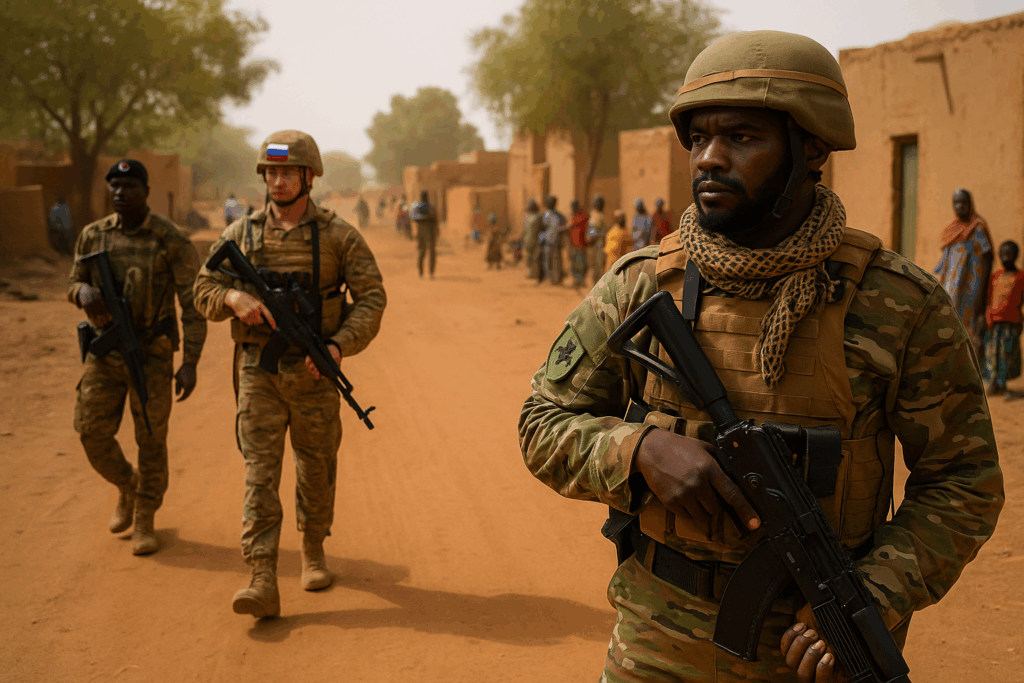
    In the heart of the Sahel, power has shifted from ballots to boots. As Western forces exit and Russian operatives move in, the region finds itself at the crossroads of extremism, militarism, and a new geopolitical scramble.

    Prefer to listen instead?

    Hear the full breakdown of the Sahel crisis—where military coups, foreign mercenaries, and forgotten civilians collide. Brought to you by Pixlehale: where world news gets the depth it deserves.

    By the Pixlehale International Desk
    Filed from Dakar, Niamey, and Ouagadougou

    A Region on Fire: Coups and Collapse

    Since 2020, all three nations have experienced coups, replacing fragile civilian governments with military regimes. The new rulers quickly distanced themselves from Western influence, particularly France, expelling diplomats and troops, severing old ties, and forming the Alliance of Sahel States (AES)—a mutual defense pact now at the heart of the region’s transformation.

    What followed was a surge in violence and strategic realignment. Armed Islamist groups affiliated with al-Qaeda and ISIS continue to launch attacks across rural areas, but now the counteroffensive is led not by Western-trained armies, but by soldiers operating with the support of Russia’s Africa Corps—the rebranded shadow of the Wagner Group.

    Russia Moves In: The New Power Broker

    Human rights observers in the region tell Pixlehale the new operations are often brutal and indiscriminate. A report provided by a local official in Mopti, Mali, detailed a March operation in which over 30 civilians were allegedly executed after being accused of harboring jihadists. In Niger, field correspondents observed Russian personnel overseeing training exercises just outside Niamey—a presence denied by local authorities but confirmed by satellite analysis.

    Civilians in the Crossfire

    Beyond the violence lies a humanitarian disaster. As of May 2025, over 5.1 million people have been displaced across the region, with Burkina Faso alone accounting for more than 2.1 million internally displaced persons (IDPs). Food insecurity is rising sharply, with nearly 20 million people projected to face crisis-level hunger by year’s end.

    Local infrastructure is crumbling under the weight of conflict and political instability. School closures are rampant. Vaccination programs have stalled. One aid worker stationed in Dori, Burkina Faso, told us that “entire regions are falling off the map—no communications, no clinics, no law.”

    Democracy Retreats, Authoritarianism Advances

    Economically, the fallout is steep. Foreign direct investment has plummeted by over 60% in the past 18 months, while trade routes are increasingly militarized or abandoned. Meanwhile, AES governments justify the turn toward Moscow as necessary for “true sovereignty.”

    But what’s truly happening is the quiet militarization of an entire region—with global consequences. This isn’t just a fight against extremism. It’s a proxy battleground between democratic and authoritarian models of governance. As the West retreats, Russia—and increasingly, China—step into the vacuum, offering security guarantees, weapons, and infrastructure deals without strings like human rights or press freedom.

    A Strategic Region, Quietly Slipping Away

    What’s being lost in the process is not just civilian life, but democratic momentum, press accountability, and the rule of law.

    “This is the most consequential shift in the Sahel in a generation,” says a retired West African diplomat who requested anonymity. “We’re not just losing territory. We’re losing the region’s political future.”

    And with it, the global order loses a strategic belt of nations at the crossroads of migration, extremism, and mineral wealth.

    The question now is not whether the Sahel is in crisis—it is. The question is: who benefits from the chaos?


    Sources: Key data and statements in this article are drawn from The Associated Press, Reuters, The Washington Post, France 24, Al Jazeera, and statements from the United Nations, regional humanitarian organizations, and African Union briefings. Additional insights were sourced from confidential interviews, field research, and reporting by Pixlehale correspondents on the ground. All assertions are supported by these reliable sources, ensuring a fact-based, well-rounded perspective throughout the article.
  • Why Unlimited Data Isn’t the Flex It Used to Be

    Prefer to listen instead?

    Hear the full breakdown of how unlimited data evolved from a premium perk to a throttled norm. Brought to you by Pixlehale—tech, truth, and transparency, now in audio.

    There was a time when having unlimited data on your phone meant something. It was a status symbol—reserved for early tech adopters or folks willing to shell out top dollar for constant access to the internet. Telling someone you had unlimited data used to carry the same weight as saying you had HBO in the early 2000s. But now? Everyone has it—or so they think.

    A Brief History of the “Unlimited” Boom

    Back in the late 2000s and early 2010s, mobile carriers like AT&T and Verizon started phasing out truly unlimited data plans. As smartphones exploded in popularity, data usage skyrocketed. Carriers, unprepared for the bandwidth demand, scrambled to protect their networks. Tiered plans were introduced, and unlimited data became a rare, expensive relic.

    But then came the disruptors. Around 2013–2015, T-Mobile flipped the industry by reintroducing unlimited plans and aggressively marketing them as consumer-friendly. The “Uncarrier” strategy forced giants like Verizon and AT&T to bring unlimited plans back to the table. And they did—but with some fine print.

    The Catch: Unlimited… With Limits

    Today’s unlimited data plans are more marketing spin than pure generosity. Most plans come with data thresholds—hit that 50GB or 100GB mark, and your speeds may slow dramatically. This is called deprioritization, where your data takes a back seat during peak hours in congested areas.

    Carriers also often throttle specific services like video streaming, capping them at 480p or 720p unless you pay extra. Hotspot usage is usually capped, too. So while the word “unlimited” suggests a blank check, what you’re really getting is a buffet with limits once you’ve had your third plate.

    Why the Shift?

    Advancements in network infrastructure—think the move from 3G to 4G LTE and now 5G—have made it significantly cheaper for carriers to deliver large amounts of data. And with more people using smartphones for everything from video calls to full-time remote work, “unlimited” became less of a perk and more of a necessity.

    At the same time, competition between carriers drove prices down. Instead of fighting over minutes and texts, which are now basically free, the battleground became data. Unlimited plans became the norm not because carriers suddenly became generous, but because they had to keep up.

    The Real Cost of Always Being Connected

    The normalization of unlimited data has also changed how we live. We stream more, scroll more, and depend on our phones for everything. But it’s worth asking: what are we really paying for?

    For many users, unlimited data offers peace of mind—no counting gigabytes or rationing Spotify. But the promise of “unlimited” has also been used to lure people into plans with hidden restrictions and upsells. It’s less about giving consumers more and more about finding clever ways to keep us plugged in while managing network loads behind the curtain.

    Final Thought
    Unlimited data today isn’t about flexing—it’s about fitting in. The phrase might still sound impressive, but the reality is a lot more complicated. So next time you see a commercial boasting about unlimited everything, just remember: there’s always a limit somewhere. Especially in the fine print.


    Sources: Key data and statements in this article are drawn from The Verge, CNET, Wired, TechCrunch, T-Mobile, Verizon, and AT&T public statements. Additional insights were sourced from FCC reports and industry trend analyses. All assertions are supported by these reliable sources, ensuring a fact-based, well-rounded perspective throughout the article.

  • Karoline Leavitt: MAGA’s Mouthpiece or America’s Press Secretary?

    Prefer to listen instead?

    Kick back and press play as we break down Karoline Leavitt’s greatest hits: fact fumbles, MAGA mumbling, and age-gap shade. It’s like a press briefing… but with receipts. Only on Pixlehale.

    A Rapid Rise Without the Resume

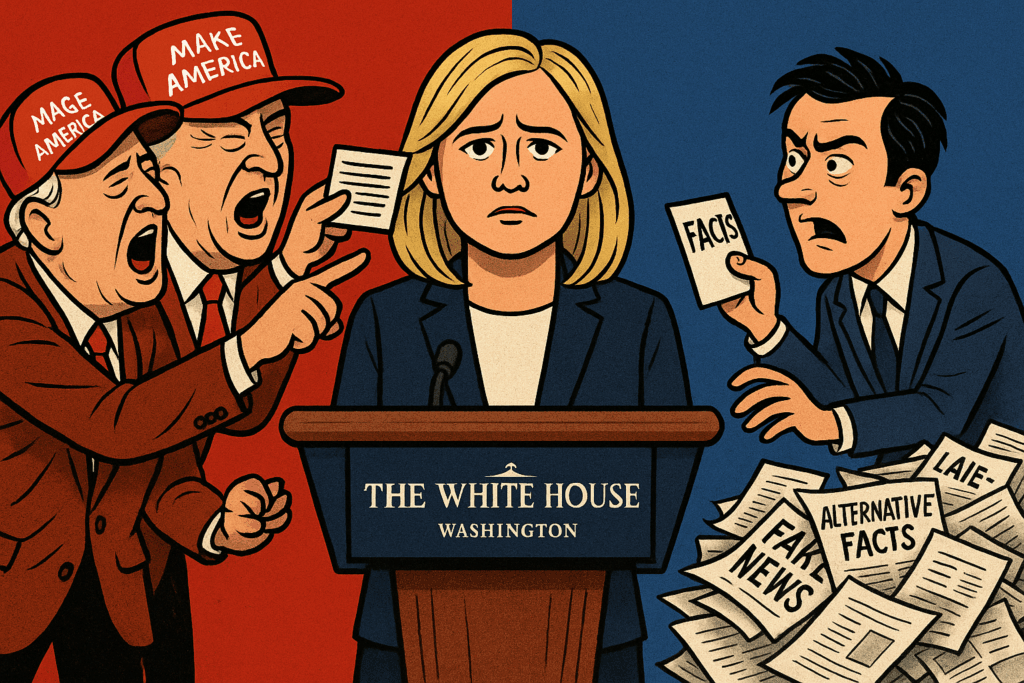
    Karoline Leavitt’s rise to the White House press podium is a story of loyalty, not merit. At just 27, she became the youngest press secretary in U.S. history, but her journey is less about qualifications and more about alignment with Donald Trump’s brand of politics. Beneath the polish and camera-ready delivery is a pattern of contradictions, misleading statements, and a career propped up by partisanship rather than experience.

    Flip-Flops and Falsehoods

    Take, for instance, her flip-flop on the January 6 Capitol riot. In the immediate aftermath, she praised Vice President Mike Pence for certifying the election and lauded the Capitol police for their bravery. But fast-forward to her 2022 congressional run and later Trump campaign role, and she had fully embraced the lie that the 2020 election was stolen. She deleted old tweets and changed her narrative to align with Trump’s false claims, going so far as to defend mass pardons for January 6 offenders. These are not just shifts in tone; they are wholesale reversals meant to curry favor.

    This pattern extends to other public statements as well. In one press briefing, she backed Elon Musk’s baseless claim that tens of millions of dead people were fraudulently receiving Social Security benefits. That claim was quickly debunked—Social Security has about 68 million beneficiaries, not the 400 million Musk’s team implied. Leavitt’s willingness to amplify fringe theories without evidence shows a dangerous disregard for the truth.

    ALEX BRANDON/AP
    ALEX BRANDON/AP

    She’s also been caught spreading outright falsehoods. At a White House press briefing, she incorrectly claimed that a federal judge was appointed by Barack Obama when in fact he was first appointed by George W. Bush. These kinds of factual errors might be brushed off as slips—if they didn’t happen so often and always skew in the same partisan direction.

    Loyalty Over Legacy

    Leavitt’s career path tells the same story. She graduated college in 2019 and was interning at the Trump White House almost immediately. By age 22, she was a White House assistant press secretary. A year later, she was the communications director for Trump-aligned Rep. Elise Stefanik. In 2022, she ran for Congress in New Hampshire and, though she lost, gained visibility in MAGA circles for her unwavering loyalty to Trump. That loyalty landed her a job as national press secretary for Trump’s 2024 campaign and eventually earned her the coveted podium spot.

    Republican congressional candidate Karoline Leavitt marches in a parade in Gilford, New Hampshire, on Aug. 27, 2022. (Karoline Leavitt congressional campaign)

    But this rapid ascent didn’t come with a track record of independent accomplishment. Leavitt has never worked outside of right-wing political communications. Her only credential is her allegiance. Unlike previous press secretaries who came from journalism, policy, or long public service, Leavitt is a partisan through and through.

    Questionable Ethics, Blurred Lines

    Critics say she plays fast and loose with the facts, parrots Trump’s grievances, and uses the press briefing room to attack rather than inform. She’s barred outlets like the Associated Press from press pool duties and regularly accuses mainstream journalists of pushing a “dishonest narrative.” Even ethics concerns have emerged—Leavitt failed to disclose over $325,000 in unpaid campaign debt from her 2022 congressional run until it became a public issue, raising questions about transparency and integrity.

    She’s also not shy about mocking President Joe Biden’s age, frequently using his gaffes and stumbles as political punchlines. But the irony is hard to ignore—Leavitt herself is married to a man nearly two decades older than her. It raises questions about whether her digs at Biden are genuine concerns or just another rehearsed line for political effect.

    Supporters, of course, see things differently. To Trump loyalists, Leavitt is tough, telegenic, and unflinchingly loyal. She speaks their language and takes the fight to the media, and that alone is enough. But that shouldn’t be the bar for the country’s top spokesperson.

    Final Word

    The job of press secretary isn’t to cheerlead—it’s to communicate clearly and honestly with the American people. Karoline Leavitt has yet to prove she can do either.


    Sources: Key data and statements in this article are drawn from Politico, The Daily Beast, Fox News, New Hampshire Public Radio, NBC News, the Associated Press, and NPR. Additional insights were sourced from official government statements and press briefings. All assertions are supported by these reliable sources, ensuring a fact-based, well-rounded perspective throughout the article.

  • Trump’s Deportation Drive and Tariff Gambit Reshape U.S. Image and Politics

    Prefer to listen instead?

    Dive into how Trump’s 2025 deportation crackdown and sweeping tariffs are reshaping America’s global image and why Democrats still struggle to offer a clear alternative. Powered by Pixlehale.

    Mass Deportation Efforts and Controversies

    Upon taking office in January 2025, President Donald Trump moved swiftly to fulfill his campaign pledge of cracking down on illegal immigration. His administration launched what it touted as the “largest domestic deportation operation” in U.S. history. Immigration and Customs Enforcement (ICE) dramatically expanded enforcement: the monthly number of ICE arrests has more than doubled compared to the previous year. The White House also tripled agreements with local police to have them assist in immigration enforcement, an approach critics say risks racial profiling. By the end of April, over 350 deportation flights had departed the U.S. since Trump’s inauguration, including a dozen military-operated flights to countries such as Guatemala, Honduras, Ecuador, and even India. ICE removed approximately 37,660 people in Trump’s first month, which is less than the ~57,000 per month average during President Biden’s last year. Administration officials insist deportation numbers will rise as new initiatives – like deals with Guatemala, El Salvador, Panama and Costa Rica to accept third-country deportees – ramp up.

    A centerpiece of the crackdown was Trump’s use of the 1798 Alien Enemies Act, a wartime-era law, to fast-track removals. In a high-profile operation on March 15, U.S. agents rounded up over 250 alleged gang members – mostly Venezuelans – and deported them to El Salvador to be imprisoned in a mega-facility. This occurred despite a federal judge’s order to halt the flights, as the administration argued the court had no authority to stop a plane already in the air. Salvadoran President Nayib Bukele confirmed receiving 238 members of Venezuela’s Tren de Aragua gang and 23 MS-13 members under a deal in which the U.S. will pay El Salvador to detain them in a 40,000-capacity “terrorism confinement center.” Legal experts note that invoking the Alien Enemies Act in peacetime is unprecedented, and immigrant advocates warn that basic due process is being sidestepped. The administration has shown a willingness to defy judicial checks – prompting what one outlet called a constitutional “clash with the judicial branch.”

    Trump’s hardline approach has ensnared not only undocumented immigrants but also some with legal status – and even U.S. citizens. In late April, a judge in Louisiana revealed that ICE deported a 2-year-old American citizen to Honduras, along with her non-citizen mother, “with no meaningful process” to verify the child’s rights. In a separate Florida case, the mother of a 1-year-old U.S. citizen was deported, leaving her infant behind and effectively separating the family indefinitely. Critics say the administration’s rush to deport has frequently avoided due process and ignored humanitarian considerations. Trump officials defend their tactics, claiming parents often elect to take U.S.-born children with them and that the focus remains on criminals and security threats. Nonetheless, such stories of citizens and legal residents caught in the dragnet have raised alarm and undercut the administration’s narrative that enforcement is only targeting “foreign criminals.”

    Sweeping Tariffs and Trade Wars

    In parallel with the immigration crackdown, Trump unleashed a bold economic nationalist agenda, centered on sweeping import tariffs. Within weeks of taking office, he resurrected and escalated the trade wars of his first term. On February 1, Trump declared a national emergency over trade imbalances and announced new tariffs: 10% on all Chinese imports and a steep 25% tariff on most goods from Mexico and Canada. He justified these as measures to combat illegal immigration and drug trafficking from those countries. The announcement sparked immediate outrage from U.S. neighbors and trading partners, prompting threats of retaliation. Within days, the White House partly walked back the plan, granting a 30-day pause on the Mexico/Canada tariffs after those governments offered concessions on border security. However, the 10% tariff on China took effect on Feb. 4, to which Beijing retaliated with its own duties on U.S. products and even an antitrust probe into Google.

    Trump’s protectionist push only accelerated from there. In March, he removed exemptions on steel and aluminum, slapping a blanket 25% duty on all steel and raising aluminum tariffs from 10% to 25%. He also signaled tariffs on lumber and autos: by March 26, Trump proclaimed a 25% tariff on all automobile imports, aiming to boost domestic manufacturing. Canada’s government responded by matching Trump’s auto tariffs with a 25% tax on U.S. vehicle imports that don’t meet USMCA trade rules. China escalated countermeasures: it hiked tariffs on key American farm goods by 15% and later announced a sweeping 34% tariff on all U.S. products starting April 10. Beijing further restricted exports of rare earth minerals vital to tech industries.

    The showdown culminated in early April. On April 2 – dubbed “Liberation Day” by President Trump – he unveiled “reciprocal tariffs” designed to force trading partners into balance. This policy imposed a minimum 10% tariff on every import into the U.S. and even higher rates (ranging from 11% up to 50%) on dozens of countries with large trade surpluses with America. Previously implemented 25% tariffs on steel, aluminum, and autos were kept in place or expanded. The administration temporarily exempted Canada and Mexico from the new baseline tariff – as long as their exports complied with USMCA trade rules – while hitting their non-compliant goods with the full 25% tariff.

    Global markets recoiled. Investors reacted to the April 2 announcement with deep alarm, and the next day U.S. stock indices plunged in what was described as the worst single-day drop in years. International finance officials warned of a potential 2025 stock market crash attributable to the tariff shock. Facing market turmoil and pushback from business leaders, the Trump administration partially walked back the tariffs – at least temporarily. On April 9, just hours after higher tariff rates took effect, the White House suspended most of the additional country-specific hikes for 90 days (the 10% blanket tariff remained in force). China was the sole exception: having already been hit with U.S. tariffs totaling 104%, Beijing’s retaliation and Washington’s counter-retaliation pushed the duties to extraordinary levels – 145% on Chinese imports into the U.S., and roughly 84% on U.S. goods into China.

    Economic analysts say Trump’s tariff gambit is gambling with recession. Between January and April, the average effective U.S. tariff rate skyrocketed from about 2.5% to an estimated 27% – the highest level in over a century. The Federal Reserve and OECD have downgraded U.S. growth projections, citing the tariff disruptions. In April, the International Monetary Fund cut its U.S. 2025 GDP forecast by nearly 1 percentage point and warned that “extremely high” trade tensions are dragging down economies worldwide. Inflation is expected to tick upward due to pricier imports, and American exporters are feeling the pain from foreign retaliation. While the administration insists tariffs will incentivize companies to bring manufacturing back home, in the short term these policies have injected volatility and uncertainty into the economy.

    Impact on U.S. Global Image

    Trump’s aggressive moves on deportations and trade have had significant fallout for America’s global image. Longstanding allies and international organizations have openly criticized the new administration’s approach as heavy-handed and destabilizing. On immigration, human rights groups argue that the U.S. is abandoning its traditional role as a safe haven and flouting basic humanitarian norms. The use of third-country deportation agreements – essentially outsourcing U.S. asylum seekers to other nations – is particularly controversial.

    In one little-noticed February operation, the U.S. quietly deported about 200 asylum seekers from Asia, Africa, and the Middle East to Costa Rica and another 300 to Panama instead of allowing them to file claims in the U.S. Many were children or had fled persecution in countries like China, Iran, and Ethiopia. Upon arrival, these migrants were held in makeshift facilities; some hung protest signs from windows pleading for help. Legal challenges eventually forced the release of many migrants, but they remain in limbo. Such tactics have prompted international outcry and reports labeling this a humanitarian crisis.

    Allies in the Western Hemisphere have pushed back. In late January, Colombia’s president initially refused entry to two U.S. military planes carrying deported migrants, accusing Washington of treating people inhumanely. Mexico has also raised concerns, especially after the U.S. declared parts of the border region a restricted defense zone, allowing arrests of migrants on federal trespassing charges. Reports that the U.S. may send asylum seekers to countries like Libya or Rwanda have added to the controversy.

    On trade, the European Union condemned Trump’s tariff blitz, with EU officials warning that the U.S. is weaponizing global trade. They prepared retaliatory tariffs on billions in U.S. goods. In Asia, China’s state media has criticized the U.S. for economic aggression, and Japan’s stock market suffered heavy losses in response to U.S. tariff announcements. Across the board, the sentiment is clear: America is seen as an increasingly unpredictable and aggressive partner.

    Domestic Public Opinion

    At home, Trump’s policies have drawn sharp divisions. A majority of Americans support tougher immigration enforcement. Surveys show around 59% approve of increased deportations of undocumented immigrants, though support declines when stories surface about legal residents or citizens being deported.

    Public support differs for Trump’s major early policies: 59% of Americans approve of stepped-up deportation of undocumented immigrants, while only 39% approve of his sweeping tariff hikes (with 59% disapproving) pewresearch.org. The immigration crackdown enjoys more support than the trade wars, which most view as economically harmful. (Chart based on Pew Research Center data.

    On the other hand, public opinion on tariffs is less favorable. A majority disapprove of the sweeping tariff hikes, expressing concerns about inflation, job losses, and market volatility. Only around 39% support the current approach. Trump’s overall approval has dropped, with his job approval hovering around 40% as of early May. Still, his support remains solid among Republican voters.

    Political Reactions: Republicans vs. Democrats

    Republicans have mostly aligned with Trump. On immigration, they argue he is fulfilling campaign promises and restoring law and order. On tariffs, many support the notion of reciprocal trade, although some business-aligned Republicans have expressed concern about long-term economic damage.

    Democrats, meanwhile, have condemned the administration’s policies but face criticism for lacking a cohesive alternative. While they highlight the humanitarian toll and economic risks, the party continues to debate internally how to win back working-class voters. Polls suggest Democrats’ favorability remains low, and voters are not yet convinced they offer a better solution.

    Outlook

    As of May 2025, the United States finds itself at a political and diplomatic crossroads. Trump’s administration has aggressively reshaped immigration and trade policy, sparking backlash abroad and division at home. While many disapprove of his actions, Democrats have yet to rally a strong counter-narrative. If a snap election were held today, the outcome would remain uncertain. What’s clear is that both parties face immense pressure to define their vision for the country amid escalating tensions and public discontent.

    Sources: Key data and statements in this article are drawn from Pew Research Center surveys, which provided public opinion data on immigration enforcement, tariff policies, and presidential approval ratings. Additional insights were sourced from Reuters and the Associated Press, particularly regarding the Trump administration’s tariff actions and related economic announcements. Reporting from PBS NewsHour and the Council on Foreign Relations helped provide deeper analysis of the deportation campaign and the use of wartime-era legal authorities. Further political and international reaction coverage was gathered from outlets including The Guardian, Politico, and Semafor, which chronicled both Republican support and Democratic criticism. Official government releases were referenced from whitehouse.gov and other public records. All assertions are supported by these reliable sources, ensuring a fact-based, well-rounded perspective throughout the article. Trump’s administration has aggressively reshaped immigration and trade policy, sparking backlash abroad and division at home. While many disapprove of his actions, Democrats have yet to rally a strong counter-narrative. If a snap election were held today, the outcome would remain uncertain. What’s clear is that both parties face immense pressure to define their vision for the country amid escalating tensions and public discontent.

  • India–Pakistan Conflict Flares After Kashmir Massacre: Historical Feud and Global Stakes

    Prefer to listen instead?

    Hear the full breakdown of the India–Pakistan conflict and its global stakes, brought to you by Pixlehale. Clear, unbiased reporting, now in audio format.

    What’s Happening Now

    A fresh crisis has erupted between India and Pakistan, two nuclear-armed neighbors with a long history of enmity. In early May 2025, the Indian military carried out strikes on Pakistani territory in retaliation for a brutal massacre of civilians in Kashmir. The escalation marked by cross-border attacks, air strikes, and fiery rhetoric has alarmed the international community and brought the perennial India–Pakistan conflict back into global focus. Observers note that this flare-up is the latest chapter in a decades-old rivalry rooted in the partition of British India in 1947 and the disputed region of Kashmir. As the world watches anxiously, global powers are urging restraint amid fears that any intensification could have far-reaching consequences given both nations’ nuclear capabilities.

    The Backdrop: A Conflict Decades in the Making

    The roots of the India and Pakistan conflict go back to 1947 when British India was divided into two nations, India and Pakistan. In the chaos of partition, the princely state of Jammu and Kashmir became a major point of contention. Although it was a Muslim-majority region, its ruler was Hindu and chose to join India. That decision sparked the first war between the two new countries, and Kashmir has remained disputed ever since.

    India and Pakistan have fought multiple wars and armed clashes over the region, with major conflicts erupting in 1965, 1971, and again in 1999 during the Kargil crisis. While India controls the larger portion of Kashmir, Pakistan holds a significant part as well. The region is now divided by the Line of Control, a tense and heavily militarized border that frequently witnesses exchanges of fire.

    In the decades that followed, Kashmir became a center of militant uprisings, military crackdowns, and political unrest. An armed insurgency erupted in Indian-administered Kashmir in the late 1980s, further inflaming tensions. India accuses Pakistan of arming and training militant groups, while Pakistan maintains that it supports the Kashmiri people’s right to self-determination.

    The conflict became even more dangerous after both countries tested nuclear weapons in 1998. With that, every escalation — whether a terror attack or border standoff — carried the risk of a much larger catastrophe. The 2001 attack on India’s Parliament, the 2008 Mumbai attacks, and the 2019 suicide bombing in Pulwama all pushed the two sides to the brink of war.

    Indian Border Security Force (BSF) soldiers patrol the fenced border with Pakistan as they wade through floodwaters on the outskirts of Jammu September 13, 2014. Mukesh Gupta/Reuters

    Despite moments of dialogue and temporary ceasefires, deep mistrust remains. Today, Kashmir is one of the most volatile regions on the planet, where a single incident can spark an international crisis with global consequences.

    Recent Flashpoint: Kashmir Massacre and India’s Strikes

    In April 2025, gunmen attacked a group of tourists in Pahalgam, Indian-administered Kashmir, killing at least 26 people — most of them Hindu pilgrims. An Islamist militant group, The Resistance Front (TRF), initially claimed responsibility. India swiftly blamed Pakistan for sponsoring terrorism and launched a series of retaliatory steps: diplomatic expulsions, suspension of visas, trade halts, and revoking water-sharing agreements.

    Cross-border shelling followed, escalating daily through April and early May. Then, in the early hours of May 7, India launched Operation Sindoor — a set of missile and air strikes deep into Pakistan. Indian jets struck alleged terror training camps belonging to Jaish-e-Mohammed and Lashkar-e-Taiba, claiming to avoid civilian casualties.

    Pakistan reported that the attacks killed at least 31 civilians, including worshippers at a mosque in Muzaffarabad. It accused India of violating its sovereignty and vowed retaliation. Prime Minister Shehbaz Sharif labeled the strikes an “act of war,” promising a calculated response.

    On the Edge: Standoff, Diplomacy, and a Fragile Calm

    Following India’s missile and air strikes on May 7, Pakistan responded with force and fury. Its military claimed to have shot down multiple Indian aircraft, including advanced Rafale jets, and scrambled fighter planes to patrol the skies. Wreckage of at least one downed jet was found near the Indian border, though New Delhi remained tight-lipped about its losses. Villages near the Line of Control were evacuated on both sides, as artillery duels and drone attacks created panic among civilians. Homes were destroyed, children were injured, and families were forced into underground shelters.

    People who, according to their relatives, were injured in a cross border shelling in Uri sector receive treatment in a hospital in India-administered Kashmir’s Uri, May 7. REUTERS/Stringer

    What followed was a tense standoff, with both militaries on high alert and political leaders trading warnings. Pakistan’s prime minister vowed that India would “pay a price,” while India’s government insisted its actions were defensive and aimed strictly at terrorist infrastructure. The situation was volatile, and for a few days, the region hovered on the edge of full-scale war.

    Global powers moved quickly. The United Nations, United States, China, and the European Union all called for immediate de-escalation. American and Gulf state diplomats engaged both governments in backchannel talks. International flights were rerouted, stock markets wobbled, and even India’s popular cricket league was suspended as security fears rippled through the region.

    After days of mounting tension, diplomacy finally made a breakthrough. On May 10, both countries agreed to a ceasefire. The announcement brought relief to millions living along the border, and the shelling largely came to a halt. While both sides declared victory — India for demonstrating its resolve against terrorism, and Pakistan for defending its sovereignty — the truce underscored just how close the world had come to witnessing a dangerous escalation between two nuclear-armed neighbors.

    The ceasefire remains fragile. Skirmishes haven’t stopped entirely, and rhetoric from both governments still runs hot. But for now, diplomacy has bought time, and with it, a chance — however slim — for cooler heads to take the lead.

    The Bigger Picture

    The India–Pakistan conflict remains one of the most dangerous rivalries on Earth. Its roots stretch back to partition, but its consequences reach far beyond the subcontinent. With every flare-up, from Pulwama to Pahalgam, the stakes rise. For now, diplomacy has once again prevented disaster. But as long as Kashmir remains contested and extremist groups continue to provoke violence, the risk of future conflict remains.

    Peace demands more than ceasefires — it requires political will, regional cooperation, and global engagement to address the root causes of this enduring and volatile dispute.

    Sources: Official statements from India’s Ministry of External Affairs and Pakistan’s Ministry of Foreign Affairs; reporting from CNN, Reuters, BBC, NPR, Al Jazeera, The Guardian, and The Economic Times; conflict background and analysis from the Council on Foreign Relations and Global Conflict Tracker; on-the-ground interviews via Associated Press and AFP; global diplomatic responses via White House press briefings and UN Secretary-General statements.

  • Metroid Fusion: A Timeless Exploration of Identity and Survival

    Prefer to listen instead?

    Dive into our full Metroid Fusion deep dive now in audio! Press play to hear the article brought to life, exclusively from Pixlehale.

    Revisiting a Sci-Fi Classic

    Released in 2002 for the Game Boy Advance, “Metroid Fusion” remains one of Nintendo’s standout titles, blending sci-fi horror with tight, compelling gameplay. More than two decades later, its influence resonates, not just because of its refined mechanics and gripping atmosphere, but also through its subtle yet powerful social commentary and progressive character dynamics.

    The game’s narrative and thematic richness has ensured its enduring popularity among fans and critics alike. “Metroid Fusion” not only revitalized the Metroid franchise but also set new standards for storytelling in gaming, offering depth beyond typical action-oriented titles of its time.

    Breaking Norms: Samus Aran as a Groundbreaking Protagonist

    “Metroid Fusion” picks up with iconic bounty hunter Samus Aran, whose groundbreaking identity as a female protagonist challenged gaming norms since her reveal in the original “Metroid” (1986). Samus isn’t merely a token female character; she’s an assertive, capable heroine whose gender neither limits nor defines her role. Throughout “Fusion,” Samus navigates isolation, identity, and survival, as her suit becomes infected by a deadly parasite known as “X.” This biological threat forces her into a symbiotic relationship with Metroid DNA, altering her identity on both physical and thematic levels.

    Her character development throughout the series, culminating significantly in “Fusion,” reflects broader societal shifts around gender representation in media. Samus is complex, portraying strength through vulnerability and adaptation rather than traditional tropes of invincibility or aggression. Her compelling narrative encourages players to see beyond stereotypes, contributing to more inclusive storytelling within gaming culture.

    Atmosphere and Gameplay: Navigating Fear and Isolation

    The atmosphere of “Fusion” is steeped in tension and claustrophobia, reminiscent of films like “Alien,” where isolation amplifies fear. This environment pushes players to deeply empathize with Samus, whose vulnerability here starkly contrasts with her usual stoicism. The SA-X, a parasite mimicking Samus’s previous self, stalks her relentlessly, symbolizing internal and external struggles of identity and transformation.

    This element of being hunted by a former version of oneself resonates on multiple psychological levels, tapping into universal fears of inadequacy, impostor syndrome, and loss of self-control. Furthermore, the game cleverly utilizes limited visibility and haunting audio cues to amplify tension, immersing players fully into Samus’s harrowing ordeal.

    Socially, “Metroid Fusion” subtly addresses fears of infection, contagion, and loss of identity, resonating with contemporary anxieties around bioengineering and pandemics. Samus’s physical transformation, combined with her necessity to adapt and embrace the Metroid DNA, parallels real-world narratives of resilience and adaptation in the face of adversity. Additionally, the game’s underlying narrative about corporate experimentation gone awry comments on the ethical boundaries of scientific research and commercialization.

    Gameplay Mechanics: An Engaging Experience

    Regarding gameplay, “Fusion” remains a masterpiece of tight controls, strategic combat, and exploration. It skillfully guides players through environmental storytelling, letting them uncover the narrative organically through exploration, rather than through heavy exposition.

    The game’s design emphasizes careful planning and adaptability. Players must thoughtfully approach enemy encounters and environmental puzzles, enhancing the satisfaction of progression and mastery. This methodical gameplay aligns well with its narrative themes of survival and adaptation.

    Moreover, the game set a precedent for future titles, influencing narrative structure and character development in gaming. By centralizing a powerful, complex female protagonist, it expanded the industry’s perception of heroes, proving that nuanced, compelling storytelling could successfully intersect with engaging gameplay.

    Why Metroid Fusion Still Matters

    As gaming continues evolving socially and culturally, revisiting “Metroid Fusion” offers valuable insights into how games reflect and shape societal attitudes. Samus Aran remains emblematic—not just as a female protagonist, but as a universally relatable figure facing fear, transformation, and survival. “Metroid Fusion” isn’t merely a nostalgic classic; it’s a thoughtful exploration of identity, ethics, and strength in vulnerability, resonating deeply with contemporary players exploring these same themes in today’s complex world.

    In an era increasingly conscious of representation and ethical implications, “Metroid Fusion” serves as a benchmark for integrating meaningful narrative depth with engaging gameplay. Its legacy continues to inspire developers and players alike, solidifying its place as an essential title in video game history.

    Sources: Information in this article was drawn from official Metroid Fusion game materials, interviews with series producer Yoshio Sakamoto, and retrospectives from outlets like IGN, GameSpot, and Kotaku. Additional context was informed by community-driven documentation from Metroid Wiki, academic discussions on gender in video games, and thematic analyses comparing Fusion to sci-fi horror films and postmodern narratives.