After 30 seasons, the WNBA is shattering attendance records, attracting millions of viewers, and redefining the economics of women’s sports. But its historic 2026 season also raises an important question: Will unprecedented popularity translate into lasting progress?

Prefer to listen instead?
Hear the full story of the WNBA’s record-breaking 2026 season — the numbers, the championship, the new CBA, and the test that comes next.
For decades, women’s professional basketball has fought for something its athletes arguably should never have had to prove: that their sport deserves to be taken seriously.
The talent was always there. So were the rivalries, championship performances, and athletes capable of filling arenas. What often appeared to be missing was the sustained investment, television exposure, and mainstream attention that men’s professional basketball had long enjoyed.
Thirty seasons after its inaugural game in 1997, the Women’s National Basketball Association has entered a different reality.
The 2026 WNBA season was not merely successful. It was historic.
With record-breaking attendance, surging television audiences, unprecedented player compensation, and an unforgettable championship series, the league has demonstrated that women’s basketball is no longer a niche product waiting to be discovered.
But the celebration should come with an equally important conversation about the future.
The WNBA has captured America’s attention. The challenge now is ensuring that attention produces something sustainable.
A Season That Rewrote the Record Books
Perhaps the most compelling evidence of the WNBA’s transformation is found in its audience numbers.
According to official league figures released in October, more than 90 million unique viewers watched WNBA coverage across national television networks during the 2026 regular season.
Fifty-one nationally televised games averaged at least one million viewers, compared with just 19 in 2025. Nine broadcasts surpassed two million viewers, more than double the previous year’s total.
ESPN and ABC averaged 1.37 million viewers across their combined 29-game regular-season schedule, an increase of 17% from 2025 and the broadcaster’s highest WNBA average on record.
This growth extended beyond television.
A record 3.8 million fans attended regular-season games, with average attendance reaching 11,474 per contest, a 21% increase over the previous record established in 2025.
The league recorded 212 sellouts, representing approximately 64% of all regular-season games.
For a competition that spent years fighting for consistent television coverage and larger audiences, these numbers represent a profound shift.
But perhaps the most encouraging development was not simply the size of the audience. It was its changing composition.
ESPN reported that viewership among children ages 2–17 increased 29%, while viewership among adults ages 18–24 rose 27%.
Those figures suggest that the WNBA is attracting younger generations who may grow up viewing women’s professional basketball as a normal part of the American sports landscape.
That cultural normalization could prove more valuable than any single television ratings record.
A Championship That Symbolized the League’s New Era
The 2026 season concluded with a remarkable story.
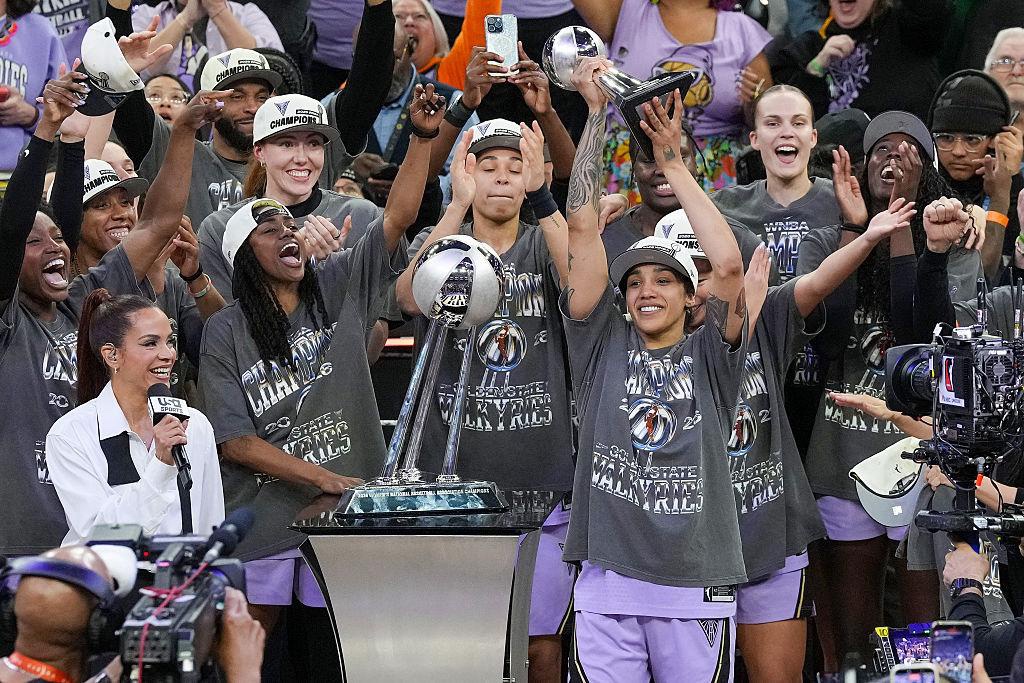
The Golden State Valkyries, a franchise competing in only its second season, defeated the Atlanta Dream 68–63 in Game 7 of the WNBA Finals.
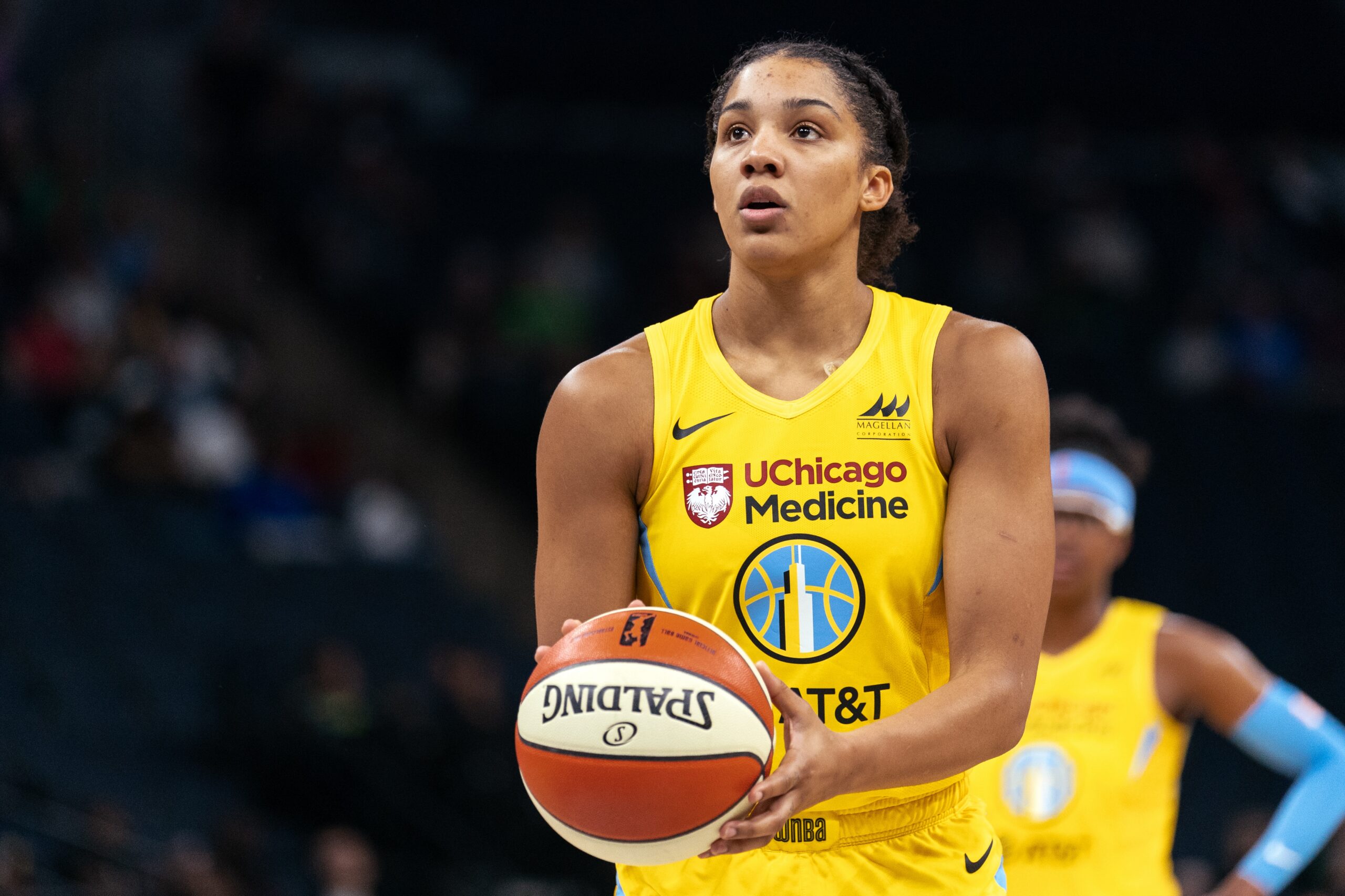
Led by Finals MVP Gabby Williams, who scored 30 points in the deciding game, Golden State secured its first championship and completed one of the most extraordinary early success stories in modern American professional sports.
The series also produced another significant milestone.
Game 7 averaged 3.3 million viewers across USA Network, CNBC, and Peacock, becoming the most-watched postseason game in WNBA history.
The seven-game Finals averaged 1.88 million viewers, a 30% increase over the 2025 championship series and the highest Finals average since 1999.
All seven games sold out, drawing a combined 123,553 spectators.
For the WNBA, the Finals demonstrated something particularly important: the league can generate substantial national interest around teams and athletes beyond the familiar names that have dominated recent media coverage.
Golden State’s championship was not simply a victory for an expansion franchise. It was evidence of the league’s growing competitive depth, expanding fan bases, and ability to produce compelling stories that resonate nationally.
Bigger Than Caitlin Clark: A League Full of Stars
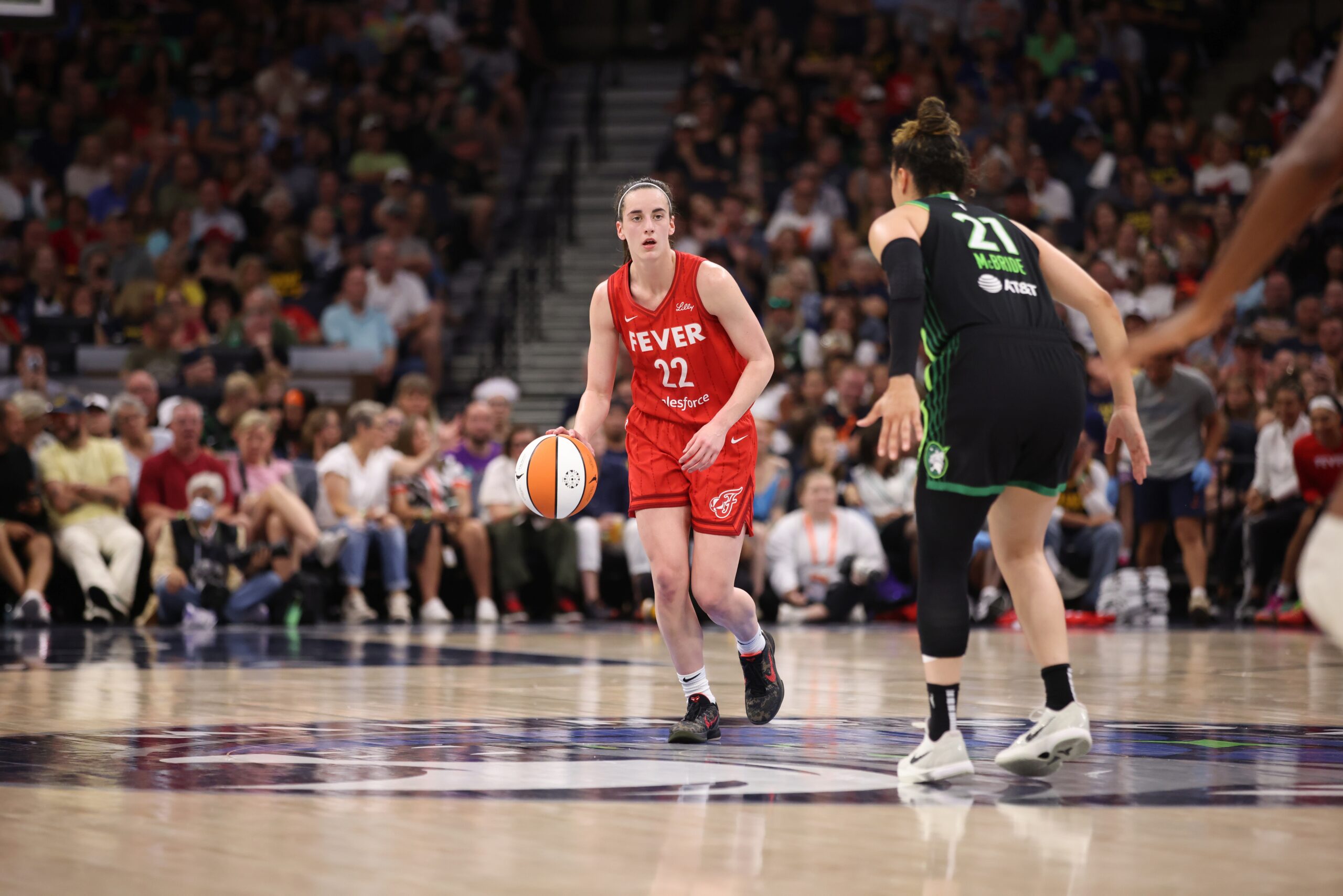
Any serious examination of the WNBA’s recent popularity must acknowledge Caitlin Clark.
Her extraordinary collegiate career, shooting ability, and transition into professional basketball helped bring significant new attention to the league beginning in 2024.
Clark’s Indiana Fever continued to generate some of the league’s largest audiences in 2026, including several broadcasts exceeding two million viewers.
However, attributing the WNBA’s entire transformation to a single player would overlook both its history and the extraordinary athletes competing alongside her.
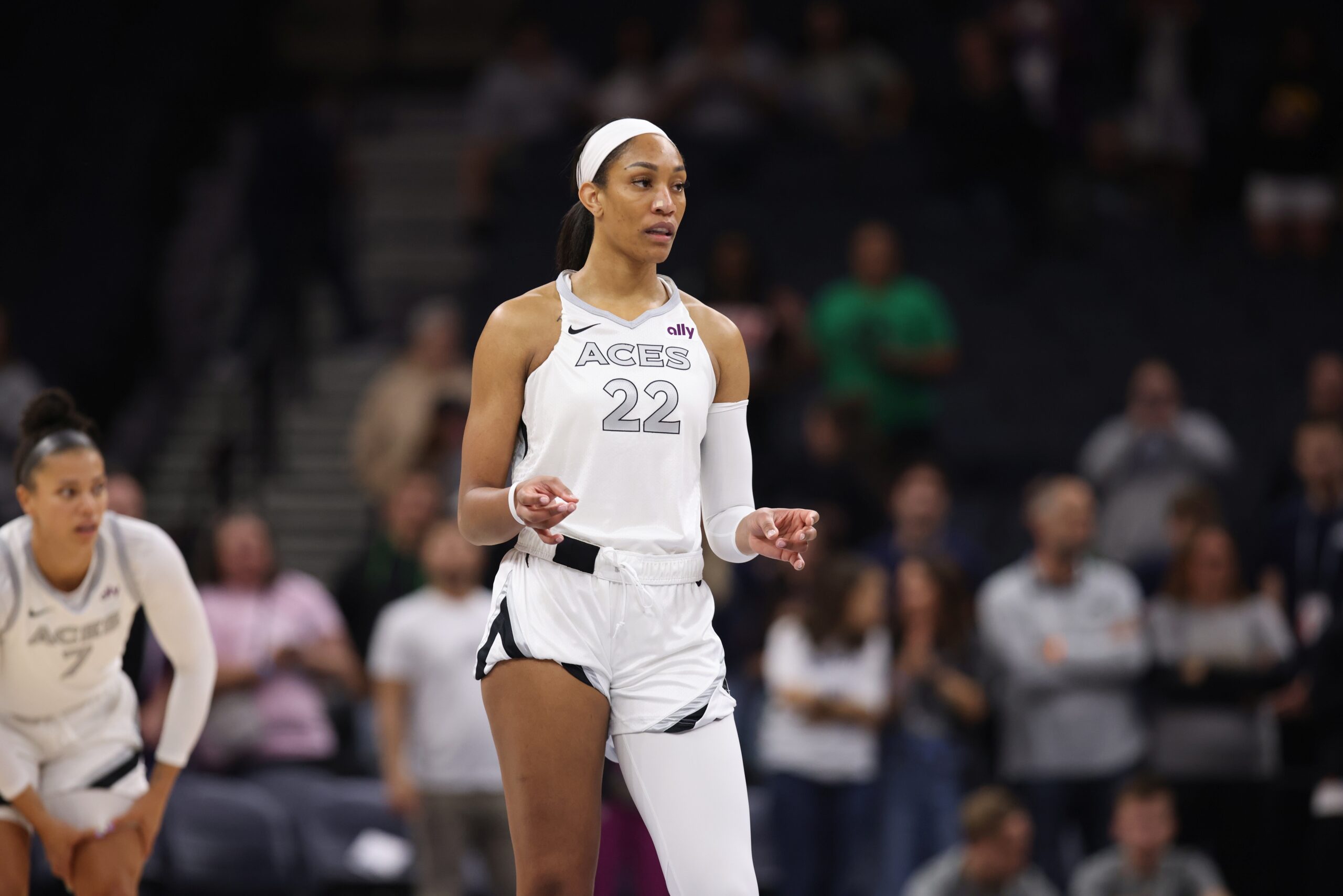
A’ja Wilson continued building one of the most accomplished careers in basketball history, winning her fifth WNBA Most Valuable Player award in 2026. She became the first player in league history to win the honor three consecutive seasons.
Minnesota Lynx guard Olivia Miles earned unanimous Rookie of the Year honors after averaging 19.8 points and 6.0 assists per game, setting a new rookie record with 790 total points.
Angel Reese, now with the Atlanta Dream, set single-season records for double-doubles and total rebounds while earning Defensive Player of the Year recognition.
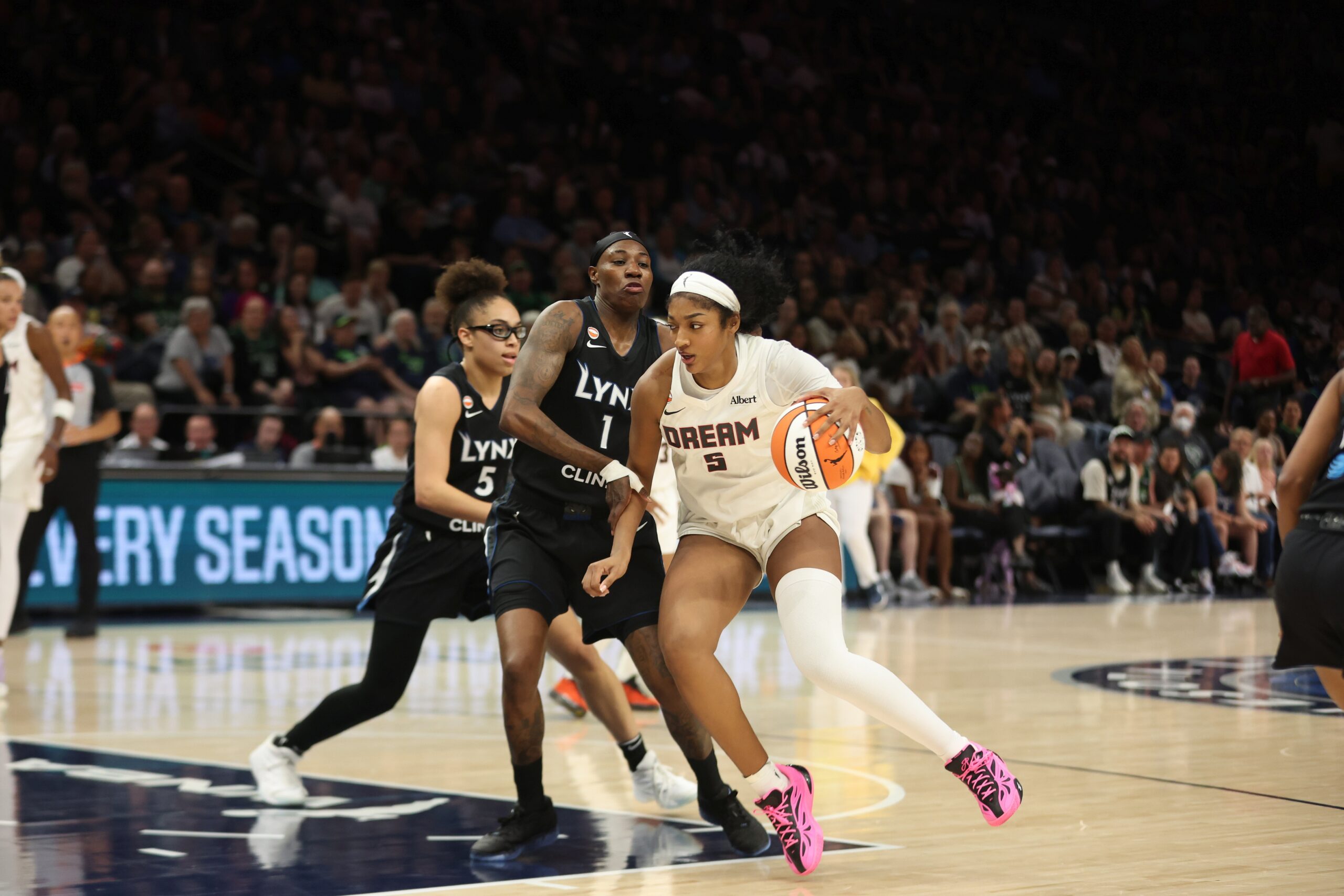
Meanwhile, players such as Breanna Stewart, Kelsey Mitchell, Paige Bueckers, and Gabby Williams continued demonstrating the depth of talent throughout the league.
This matters because sustainable professional sports leagues cannot depend entirely on one superstar or one rivalry.
Clark may have helped introduce new audiences to the WNBA, but those audiences are increasingly encountering an entire generation of exceptional basketball players.
The league’s future depends on turning that initial curiosity into broader loyalty: to teams, cities, athletes, and the competition itself.
A Financial Turning Point for Women’s Basketball
Perhaps the most consequential development of the 2026 season happened away from the basketball court.
In March, the WNBA and its players’ union ratified a transformative collective bargaining agreement, with the final contract signed in May.
The seven-year agreement introduced a comprehensive revenue-sharing system intended to ensure that players benefit more directly from the league’s financial growth.
The salary cap increased from approximately $1.5 million per team in 2025 to $7 million in 2026.
Maximum individual salaries reached $1.4 million, while the league projected an average salary exceeding $583,000.
These changes represented an extraordinary increase in compensation for athletes who, for years, had considerably fewer financial opportunities within their domestic league than their male counterparts.
The agreement also strengthened benefits, retirement provisions, travel arrangements, and working conditions.
The broader significance extends beyond the WNBA.
For younger female athletes, professional basketball is becoming a more financially viable long-term career.
For investors, sponsors, and broadcasters, the agreement represents a commitment to building a sustainable professional sports business.
And for the players who spent years advocating for better compensation, the changes demonstrate the power of collective bargaining.
Still, higher salaries should not automatically be mistaken for complete financial equality.
Significant economic differences remain between the WNBA and established men’s professional leagues, including revenue, infrastructure, and commercial opportunities.
Closing those gaps will require more than one successful season.
It will require consistent investment.
Expansion Is Bringing Women’s Basketball to New Audiences
The WNBA’s growing popularity is also changing its geographic footprint.
In 2026, the Toronto Tempo and Portland Fire joined the competition, expanding the league to 15 teams.
Toronto’s arrival was particularly significant, marking the WNBA’s expansion into Canada.
The Tempo drew a league-record 20,996 spectators to a July game at Montreal’s Bell Centre, demonstrating that demand for women’s professional basketball extends beyond traditional American markets.
Portland also made an immediate impression, attracting more than 19,300 fans to its season opener.
Further expansion is already underway, with Cleveland approved to begin play in 2028, Detroit in 2029, and Philadelphia in 2030.
For the WNBA, expansion offers opportunities to cultivate regional rivalries, establish new commercial partnerships, and provide more professional opportunities for talented players.
It also creates a challenge.
The league must maintain competitive quality while ensuring that expansion franchises receive adequate organizational support, training facilities, marketing investment, and access to sustainable fan bases.
Adding teams is one thing. Building organizations capable of thriving for decades is another.
Growth Has Also Exposed Uncomfortable Problems
Despite its accomplishments, the 2026 WNBA season was not without controversy.
The increased attention surrounding the league brought heightened scrutiny of officiating, player conduct, league leadership, and questions about how basketball intersects with broader debates over race, gender, and identity.
Several players also faced online harassment, including racist abuse and threats.
These developments raised important questions about whether the league’s infrastructure for player safety and public communications has kept pace with its rapid growth.
The cultural conversations surrounding women’s basketball have sometimes become as prominent as the games themselves.
While intense rivalries and passionate debates are common throughout professional sports, there is a difference between criticizing an athlete’s performance and subjecting that athlete to harassment or dehumanizing treatment.
The WNBA must navigate those distinctions carefully.
Greater visibility has expanded opportunities for athletes, but it has also exposed them to the hostility that frequently accompanies modern celebrity and political polarization.
Protecting players while preserving competitive expression should be central to the league’s next phase.
A growing audience is valuable. A healthy environment for the athletes responsible for attracting that audience is equally important.
What the 2026 Season Means for Women’s Sports
The WNBA’s success carries implications far beyond basketball.
For years, discussions about women’s professional sports frequently centered on whether sufficient consumer demand existed to justify substantial investment.
The 2026 season provides increasingly compelling evidence that the demand is real.
Millions of viewers are watching. Arenas are filling. Merchandise is selling. Broadcasters are investing in expanded coverage.
The old assumption that women’s sports cannot attract mainstream audiences is becoming increasingly difficult to defend.
However, another assumption deserves scrutiny: that audiences only recently discovered women’s basketball because its quality suddenly improved.
The WNBA has produced extraordinary athletes and memorable championship moments throughout its history.
What has changed is not simply the talent on the court, but the commercial environment surrounding it.
Greater broadcasting exposure, stronger marketing, social media visibility, recognizable stars, and improved investment have helped the league reach audiences that may not previously have had the same access or incentive to follow it.
In other words, the WNBA’s rise is not merely a story about women’s basketball finally becoming entertaining.
It is also a story about what happens when an established, talented sporting competition receives greater opportunities to be seen.
That distinction matters.
It recognizes the generations of players who built the league long before its most recent surge in popularity.
The Real Test Begins Now
There is considerable reason for optimism about the future of women’s professional basketball.
The WNBA’s 30th season established a new benchmark for attendance, commercial growth, player compensation, and national visibility.
But record-breaking seasons do not automatically guarantee sustained success.
Television audiences fluctuate. Star players experience injuries and eventually retire. Expansion introduces financial and operational challenges. Commercial enthusiasm can weaken when economic conditions change.
The WNBA must therefore do more than celebrate its latest accomplishments.
It needs to convert record viewership into reliable long-term audiences, strengthen relationships with local communities, maintain accessible broadcasting options, and ensure that revenue growth translates into improved conditions for players.
Perhaps most importantly, the league must continue building an identity that extends beyond individual personalities and temporary media fascination.
The most successful professional leagues survive because fans become invested in their institutions, rivalries, histories, and communities.
Women’s professional basketball deserves that same opportunity.
The WNBA’s 2026 season has already secured its place in the history books. But its greatest significance may not be found in any individual ratings record or championship trophy.
It may be remembered as the year the conversation fundamentally changed.
For decades, women’s basketball was frequently asked to prove that it belonged in the mainstream sporting landscape.
In 2026, the league made an increasingly compelling case that it already does.
The question is no longer whether people will watch women’s basketball. It is whether the institutions surrounding the sport will continue investing in the future those audiences have made possible.
Sources: WNBA, “Landmark 30th Season Delivers Record Growth”; WNBA, “2026 Finals Viewership and Attendance Records”; ESPN, “Most-Watched WNBA Regular Season”; WNBA, “2026 Collective Bargaining Agreement”; WNBA, “A’ja Wilson Wins Fifth MVP”; WNBA, “Olivia Miles Named Rookie of the Year”; WNBA, “Expansion Approved for Cleveland, Detroit and Philadelphia”; Associated Press, reporting on race, player safety and WNBA leadership. Photos: Gabby Williams — Lorie Shaull, CC BY-SA 4.0, via Wikimedia Commons; Caitlin Clark and A’ja Wilson — John Mac, CC BY-SA 2.0, via Wikimedia Commons; Angel Reese — John Mac, CC BY-SA 4.0, via Wikimedia Commons. Featured image: supplied by Pixlehale.
Read Next
Swipe Fatigue: How Dating Apps Changed Modern Love and Loneliness
Democrats Won the Midterms. But Did They Win Over America?
You Can See Everything, Except the Truth
Leave a Reply