
Prefer to listen instead?
Hear the full analysis of the 2026 midterms — what the Democratic sweep means, what it doesn’t, and the question 2028 still has to answer.
The 2026 midterm elections delivered a sweeping rejection of Republican control in Washington. Yet beneath the Democratic victories lies a more complicated question: Did Americans vote for a new political direction, or simply against the one they already had?
By Pixlehale | November 4, 2026
A Victory Built on Frustration
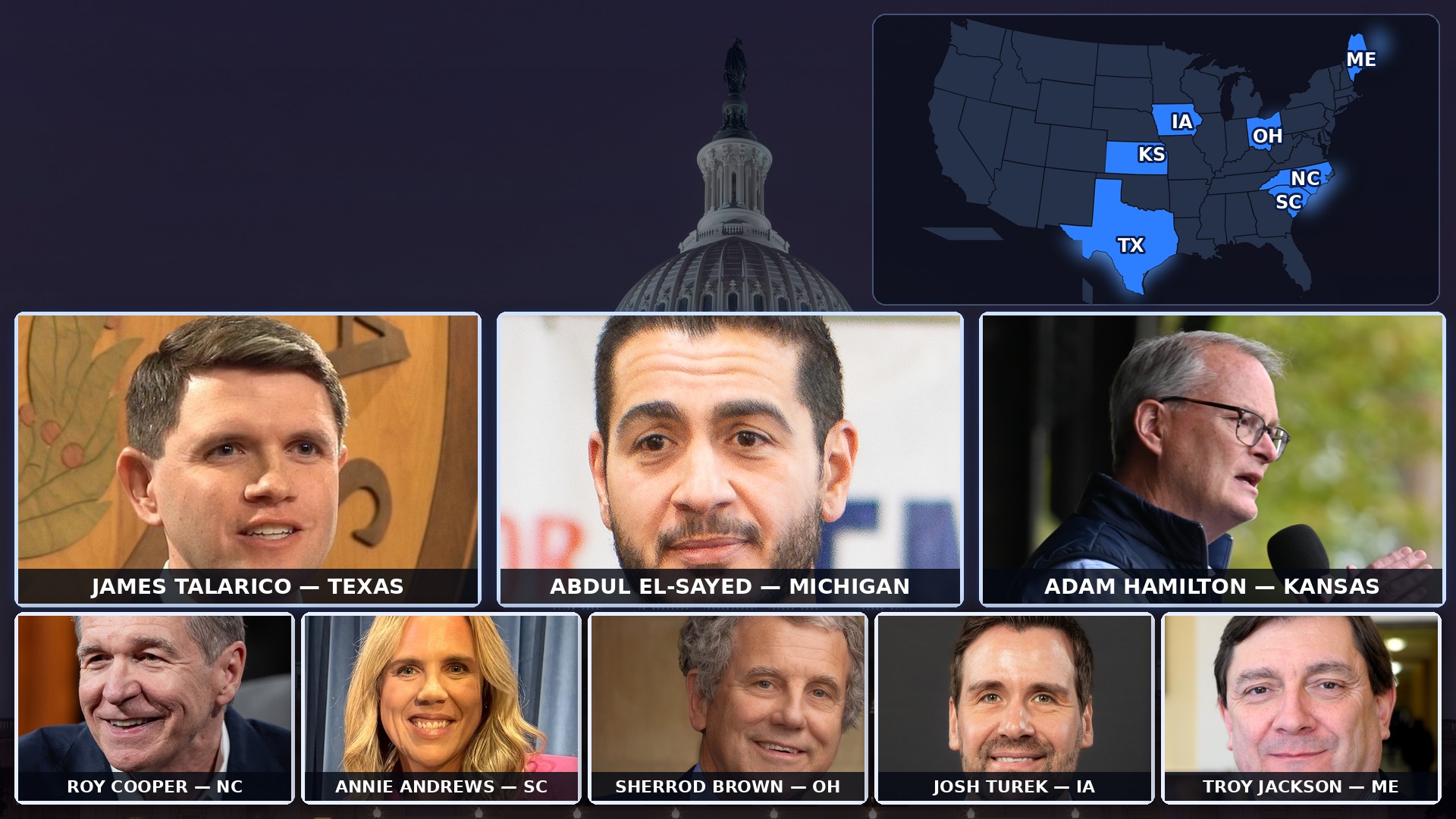
On November 3, American voters delivered a dramatic political reversal. Democrats reclaimed control of both chambers of Congress, winning Senate races in traditionally Republican territory and overturning the balance of power in Washington.
Texas elected its first Democratic U.S. senator since 1988. Kansas elected its first since 1932. Republican-held seats in Iowa, Ohio, North Carolina, South Carolina, and Maine also changed hands.


The results represent a substantial shift from the Republican victories of 2024, when Donald Trump returned to the White House promising economic relief, stronger borders, and a restoration of American prosperity.
Two years later, the political environment looks considerably different.
But the election raises an important distinction that the magnitude of the Democratic victory could obscure: Rejecting the party in power is not necessarily the same as embracing the party replacing it.
That distinction may become one of the defining questions of the next two years.
Was This a Democratic Victory or an Anti-Trump Vote?
Election polling offers compelling evidence that dissatisfaction with President Trump played a significant role.
According to ABC News Voter Polls, approximately six in ten voters participating in House elections disapproved of Trump’s performance, while 53% strongly disapproved.
Among House voters, 43% characterized their vote as an expression of opposition to Trump, compared with 16% who described it as support for him.
Yet Democrats themselves remain far from universally popular.
The same polling found that just 47% of House voters viewed the Democratic Party favorably, compared with 41% for Republicans. Roughly 15% disliked both major parties, with those voters nevertheless supporting Democratic House candidates by a substantial margin.
These findings suggest an electorate that wanted a change in direction without necessarily expressing widespread confidence in either political party.
For Democrats, that distinction matters.
A party can win an election because voters believe in its proposals. It can also win because voters have grown dissatisfied with the alternative. Both motivations can exist simultaneously, and the 2026 results suggest they did.
The Economy Remains the Defining Issue
While opposition to Trump influenced voting behavior, economic frustration helps explain why that opposition became so consequential.
Approximately eight in ten House voters reported experiencing moderate or severe hardship from inflation during the previous year, according to ABC News polling. Among those experiencing hardship, 62% attributed unusually high prices to Trump’s policies.
The war with Iran and its effect on fuel prices further complicated the administration’s economic position.
These pressures cut across traditional political boundaries. Democratic gains extended into lower-income communities, heavily Latino counties, and areas that had supported Trump only two years earlier.
This pattern complicates any explanation based exclusively on partisan loyalty or ideological realignment.
For many Americans, political decisions remain closely connected to grocery bills, housing costs, wages, healthcare, and their sense of economic security.
Republicans benefited from economic dissatisfaction during the 2024 presidential election. In 2026, Democrats benefited from similar frustrations directed at the incumbent administration.
The underlying issue has not disappeared. The party receiving the blame has changed.
Winning Congress Is Not the Same as Governing Alone
Democrats will enter January 2027 controlling both chambers of Congress, giving them greater authority over legislative priorities, federal spending negotiations, committee investigations, and oversight of the executive branch.
Their Senate majority will also provide leverage over presidential appointments and judicial confirmations.
However, President Trump will remain in office until January 2029.
This creates divided government, where Democrats can advance legislation but cannot independently enact most major policy changes over presidential objections.
That distinction is important when evaluating what voters should reasonably expect Congress to accomplish.
Democratic leaders have outlined priorities involving affordability, healthcare protections, and oversight of the administration. Whether those efforts result in enacted legislation will depend partly on negotiations with the White House, presidential vetoes, and congressional procedures.
The next two years will therefore test not only Democratic policy proposals but also the ability of both parties to govern under divided control.
The Danger of Mistaking Opposition for Loyalty
American political history provides several reminders that midterm victories do not establish permanent electoral coalitions.
In 2018, Democrats reclaimed the House during Trump’s first presidency. Two years later, they won the White House.
But in 2022, Democrats performed better than many expected despite President Joe Biden’s low approval ratings. Republicans nevertheless reclaimed the presidency in 2024.
These examples demonstrate that congressional and presidential elections operate under different political conditions.
Turnout changes. Candidates change. Public priorities evolve.
A voter who supports a Democratic congressional candidate in 2026 is not necessarily committed to supporting the Democratic presidential nominee in 2028.
This is particularly relevant for independent voters, younger Americans, and people who express dissatisfaction with both political parties.
Democrats’ congressional gains may provide an opportunity to build trust with these voters. Whether that trust lasts will depend on factors that cannot be determined from one election alone.
What Does This Mean for 2028?
The next presidential election will take place without Trump as an eligible candidate for another elected term under the Constitution’s 22nd Amendment.
That means the 2028 contest will introduce a different electoral dynamic, even as Trump’s presidency and political influence continue shaping the Republican Party.
Democrats will face questions about economic policy, party leadership, healthcare, and what their vision for the country looks like beyond opposing Trump.
Republicans, meanwhile, will confront questions about their post-Trump leadership, the economic record of the administration, and how to respond to voters who shifted away from the party in 2026.
Neither party can assume that the midterm electorate represents the presidential electorate two years from now.
Nor can the 2026 results establish whether the country has undergone a durable partisan realignment or a temporary reaction to the conditions of the moment.
That will require additional evidence from public opinion, future elections, and the political developments of the next two years.
A Mandate for Change, but What Kind?
The Democratic victories of 2026 were consequential. They changed the balance of power in Washington and demonstrated that Republican support had weakened across portions of the electorate.
Yet the results also exposed a deeper problem in American politics: widespread public dissatisfaction with the political system and the limited trust many voters place in either major party.
For Democrats, winning Congress creates new opportunities and new responsibilities. For Republicans, the losses create pressure to reassess the policies, candidates, and political conditions that shaped the election.
For voters, the central issue remains whether Washington can deliver tangible improvements to everyday life.
The 2026 midterms answered who Americans wanted controlling Congress. They did not definitively answer whom Americans trust to lead the country in 2028.
That question remains unresolved.
Sources: Associated Press, “How Trump and Republicans lost the 2026 midterms”; Reuters, “Democrats seize Congress in sweeping midterm repudiation”; ABC News, Voter Polls analysis of the 2026 House vote; CBS News, 2026 Midterm Exit Polls; NPR/PBS News/Marist, October 2026 Midterm Election Poll. Photos: James Talarico photo by Antonioaesparza, CC BY-SA 4.0, via Wikimedia Commons; Adam Hamilton photo via Wikimedia Commons, CC0. Winners montage photos (via Wikimedia Commons): Abdul El-Sayed by Conlan Houston, CC BY-SA 4.0; Roy Cooper by NetwonsBucket, CC BY-SA 4.0; Annie Andrews by Stimpus1, CC0; Sherrod Brown by U.S. Senate Photographic Services, public domain; Josh Turek by the Iowa General Assembly; Troy Jackson by ArenLeBrun, CC0; Adam Hamilton by Leoniceno, CC0; U.S. Capitol by Diliff, public domain; U.S. map, public domain.
Editor’s note: This analysis is based on election projections and voter polling available November 4, 2026. Some individual races remain subject to ongoing counting and certification.
Read Next
Election Night 2026: Live Results, Wave by Wave · What Does Haley Stevens Gain? The Endorsement That Only Helps Mike Rogers · You Can See Everything, Except the Truth
Leave a Reply