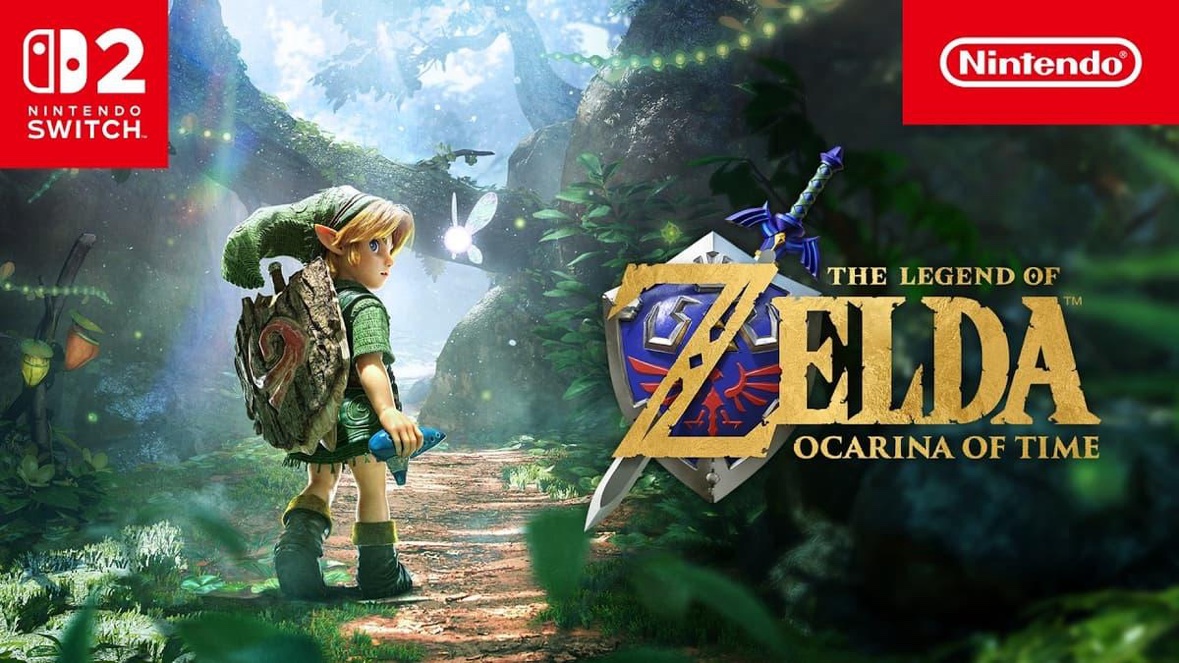
The Legend of Zelda: Ocarina of Time has returned nearly three decades after its original release, selling more than 5.2 million copies in just four days. Its extraordinary success raises a bigger question about the gaming industry: are players celebrating the past, or are publishers becoming increasingly afraid to invest in the future?

Prefer to listen instead?
Hear the full story of how a 28-year-old Zelda classic became the fastest-selling Switch 2 launch yet, and what its success says about where gaming is heading.
The Future of Gaming Apparently Looks a Lot Like 1998
The video game industry loves talking about the future.
Every year, companies promise the next technological breakthrough. Better graphics. Bigger worlds. More realistic characters. Artificial intelligence. New consoles. Experiences that supposedly weren’t possible just a few years earlier.
And yet, one of the biggest video game releases of November 2026 is a game that originally came out when Bill Clinton was president.
Nintendo’s remake of The Legend of Zelda: Ocarina of Time launched on November 5 for the Nintendo Switch 2, and its opening sales were nothing short of extraordinary.
According to Nintendo, the remake sold more than 5.2 million copies worldwide in its first four days, becoming the fastest-selling Nintendo-published Switch 2 game to date.
Let that sink in.
A game originally released for the Nintendo 64 in 1998 just became one of the defining commercial successes of a console released nearly three decades later.
And people are absolutely loving it.
But beneath the excitement surrounding Link’s return to Hyrule is a much larger conversation about the state of modern gaming.
Why are so many of the industry’s biggest cultural moments built around games we have already played?
Why do publishers keep returning to the same franchises, characters, and worlds?
And perhaps most importantly, what does it say about an industry obsessed with technological innovation when some of its most successful releases are rooted in nostalgia?
The answer is more complicated than simply accusing Nintendo of recycling old ideas.
In fact, Ocarina of Time might be the perfect example of both what gaming remakes get right and what the industry’s increasing dependence on familiar intellectual property could mean for its creative future.
Five Million Copies of a Game That Already Made History
First, let’s acknowledge just how impressive these sales are.
In a November 11 announcement, Nintendo confirmed that Ocarina of Time sold more than 5.2 million copies worldwide within four days of its November 5 release.
That figure includes physical and digital sales, with approximately 810,000 copies sold in Japan.
Nintendo described it as the strongest four-day launch for any Nintendo-published Switch 2 game globally.
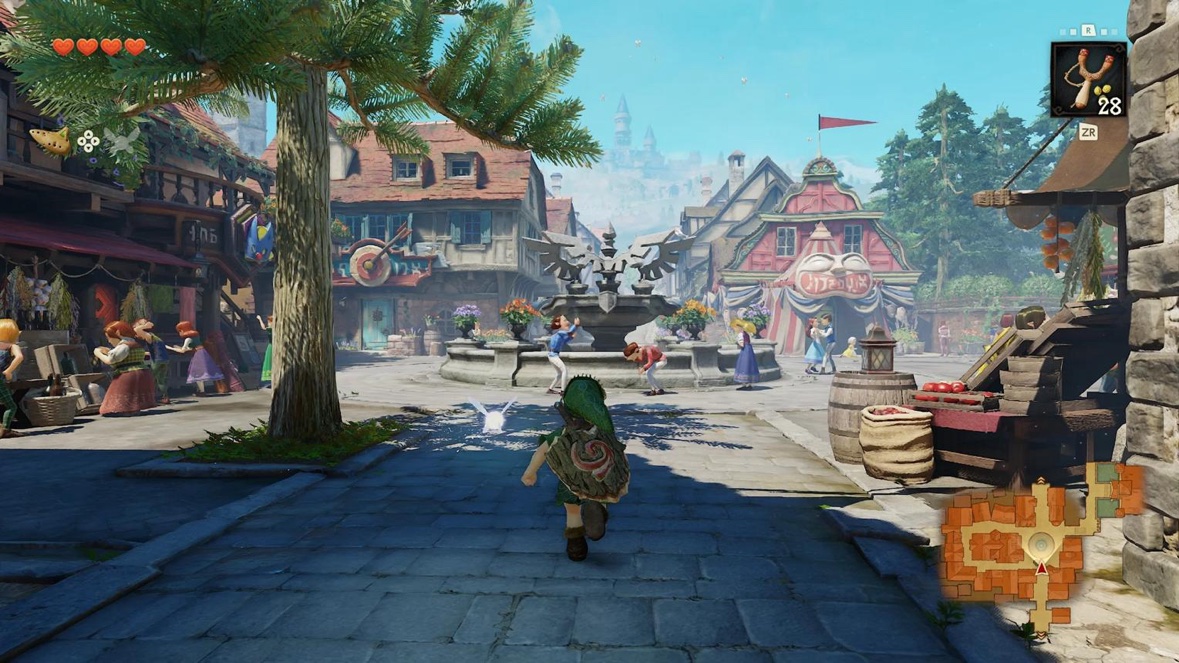
Those numbers are remarkable for a title whose story, characters, and central premise have been familiar to gamers for nearly 30 years.
But this isn’t simply the original Nintendo 64 game running at a higher resolution.
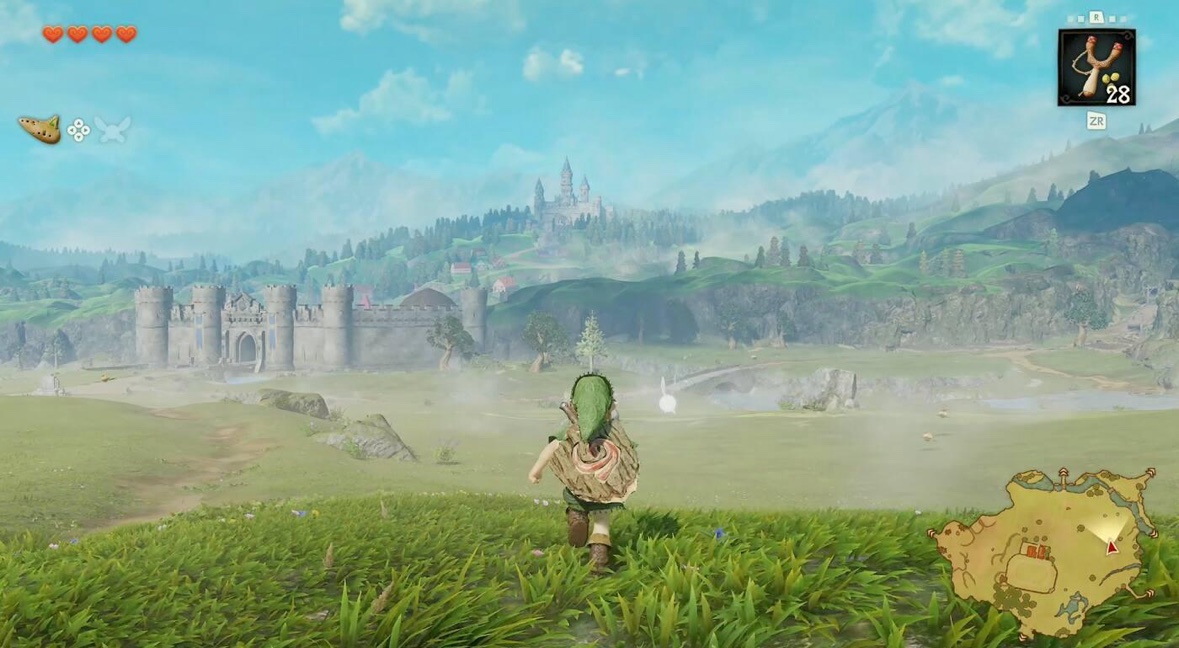
Nintendo developed the remake specifically for the Switch 2, rebuilding its visual presentation and modernizing several aspects of the experience.
The new version features fully voiced cutscenes, expanded dialogue, orchestral music, reworked movement and camera controls, and redesigned environments.
It also introduces additional features intended to make the classic adventure more approachable for modern players.
Nintendo has positioned the remake as a major part of The Legend of Zelda’s 40th anniversary celebration, rather than a minor rerelease intended only for longtime fans.
That distinction matters.
There is a significant difference between making an old game available on modern hardware and investing in a complete reimagining of that game.
The former can be an exercise in preservation.
The latter is an attempt to introduce an established work to a new generation while convincing older audiences that returning is worthwhile.
Nintendo appears to have accomplished both, at least commercially.
But the success raises an uncomfortable question for an industry increasingly built around enormous development budgets.
If a familiar game can deliver this level of success, why should publishers take greater risks on something entirely new?
Nostalgia Has Become One of Gaming’s Most Valuable Products
Nostalgia is a strange thing.
It can convince someone to spend money on a game they already own, a movie they’ve already watched, or an album they’ve already heard countless times.
But nostalgia isn’t necessarily irrational.
Sometimes the experience itself carries a meaning that goes beyond the product.
For players who grew up with the Nintendo 64, Ocarina of Time represents a particular moment in gaming history.
The first time they stepped into Hyrule Field.
The first time they heard the music of the Lost Woods.
The first time they entered the Temple of Time and watched Link grow older.
Those moments became part of gaming culture.
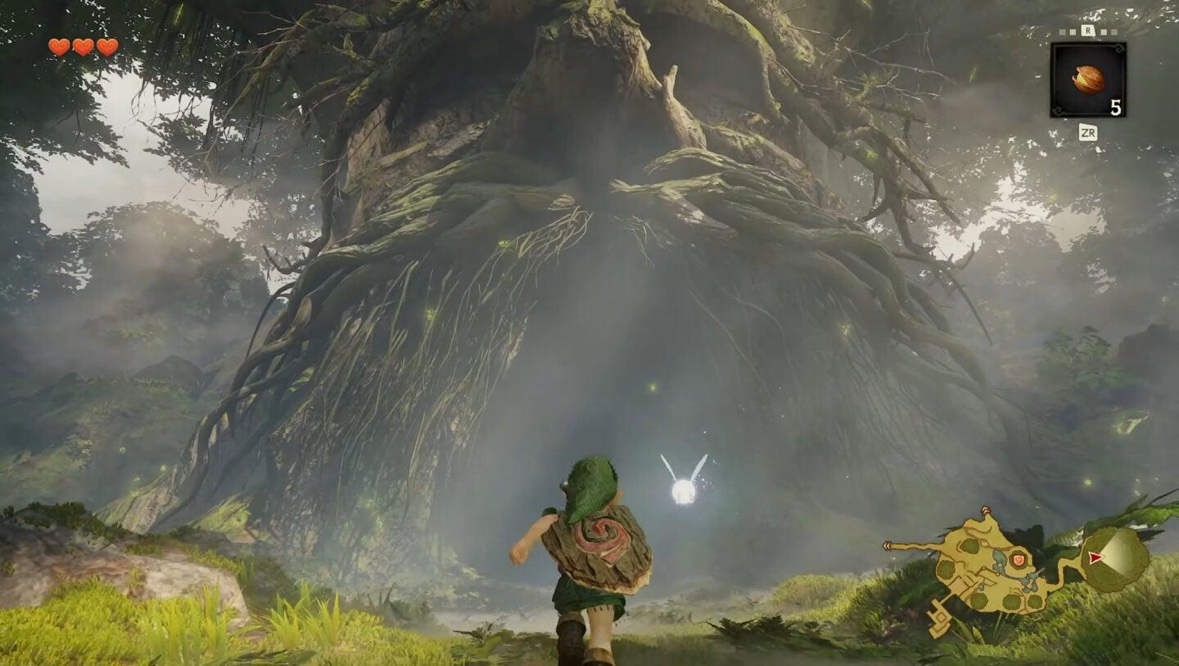
For many players, returning to Ocarina of Time isn’t simply about completing another adventure.
It’s about revisiting a world associated with a period of their lives.
And Nintendo understands that.
The company isn’t just selling updated graphics or improved controls.
It’s selling an opportunity to revisit something familiar while experiencing it in a new form.
That is an extraordinarily powerful commercial proposition.
It also carries far less uncertainty than introducing an entirely unfamiliar franchise.
A new intellectual property must convince audiences that its world, characters, and mechanics are worth their attention.
A beloved classic arrives with decades of recognition.
The audience already knows the name.
The emotional connection already exists.
The marketing campaign doesn’t need to explain why the property matters.
It only needs to explain why people should experience it again.
And when millions of players are willing to do exactly that, publishers notice.
The Gaming Industry Has a Risk Problem
Here’s where the conversation becomes more interesting.
Modern video game development is expensive.
Large projects can require hundreds of developers, years of production, complex technical systems, extensive marketing, and significant financial investment.
The stakes are particularly high for companies producing blockbuster games.
A major commercial failure can lead to canceled projects, organizational restructuring, or layoffs.
That creates incentives to prioritize familiar franchises with established audiences.
From a financial perspective, the logic is understandable.
Why spend years building a completely original world when a beloved franchise already has millions of potential customers?
Why invest heavily in an unfamiliar character when players have spent decades developing an emotional connection to someone like Link?
And why gamble on an untested concept when a remake offers a recognizable product with measurable historical demand?
None of these questions automatically means publishers have abandoned creativity.
Nintendo itself has produced major original gameplay ideas within established franchises, including the open-world design of Breath of the Wild and the experimentation encouraged by Tears of the Kingdom.
But the commercial appeal of familiar intellectual property is undeniable.
Publishers increasingly face pressure to deliver predictable returns in an industry where production costs and consumer expectations have both grown.
That pressure can influence which projects receive funding.
It can shape which franchises are revived.
And it can make entirely new ideas more difficult to justify.
The concern isn’t that remakes exist.
The concern is what happens when established franchises become the safest path to commercial success.
Not Every Remake Is a Cash Grab
To be fair, the criticism surrounding remakes sometimes goes too far.
There is an important difference between a lazy rerelease and a thoughtful remake.
An older video game may have groundbreaking ideas buried beneath technical limitations that make it difficult for modern players to appreciate.
Camera systems that felt revolutionary in 1998 may now feel awkward.
Controls that once represented major innovations can become frustrating.
Graphics that were extraordinary at the time may make certain environments harder to navigate for people unfamiliar with older hardware.
A remake can address those issues without abandoning what made the original special.
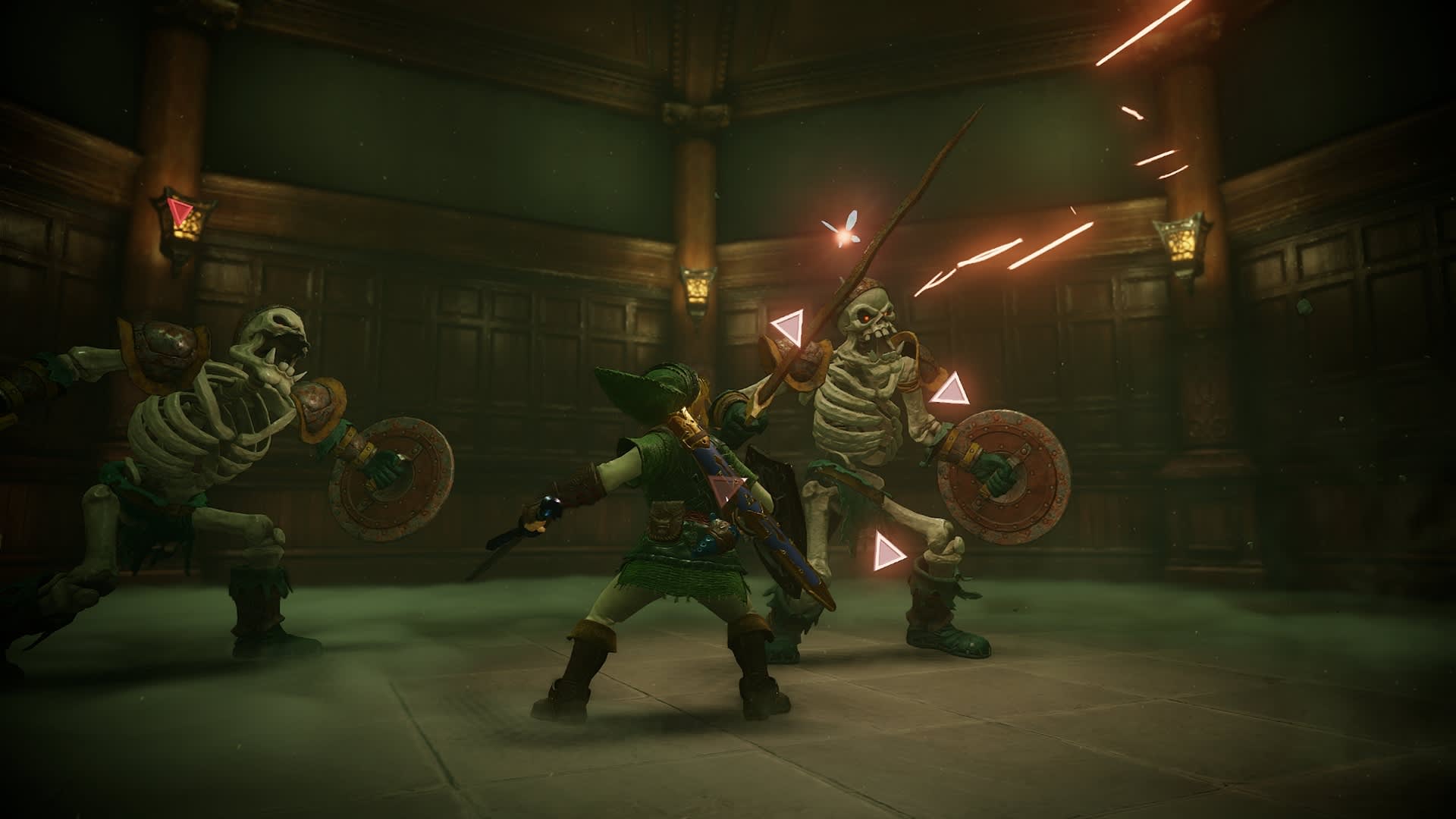
That is particularly relevant to Ocarina of Time.
The original helped establish conventions that later became common in 3D action-adventure games.
Its combination of exploration, puzzles, combat, storytelling, and environmental design influenced generations of developers.
But historical importance doesn’t automatically make an older game accessible to every modern audience.
A thoughtful remake can bridge that gap.
It can allow younger players to experience an influential piece of gaming history without requiring them to adapt to every technical limitation of the original release.
It can also offer longtime fans an opportunity to see familiar locations, characters, and moments presented with modern technology.
That is not inherently anti-creative.
In many cases, it requires substantial creative work.
The challenge is recognizing the difference between preserving a classic and exploiting its reputation.
And based on the scope of Nintendo’s changes, Ocarina of Time belongs in a more serious conversation than simply accusing the company of selling the same game twice.
The Strange Relationship Between Remakes and Preservation
There is another reason this trend matters.
Video game preservation remains a complicated issue.
Unlike books, films, or recorded music, games often depend on specific hardware, software environments, proprietary services, and technical systems.
Older games can become difficult to access legally when consoles are discontinued, digital storefronts close, or original releases are no longer sold.
For some players, emulation or secondhand hardware offers a way to experience gaming history.
Others depend on official rereleases, subscription libraries, or remakes.
Nintendo’s approach illustrates both the opportunities and limitations of modern preservation.
A remake can introduce a classic to a huge new audience.
But it is not a perfect substitute for the original.
When developers change dialogue, controls, visuals, music, or gameplay systems, they create a new interpretation of the work.
That interpretation may be excellent.
It may even be more enjoyable for many players.
But it doesn’t erase the historical value of the original version.
The Nintendo 64 release of Ocarina of Time remains important precisely because of what it achieved within the technological limitations of 1998.
A modern remake cannot fully recreate the experience of encountering those ideas for the first time.
And it shouldn’t have to.
Ideally, the gaming industry should make room for both preservation and reinterpretation.
Players should be able to explore the historical version of an influential game while also enjoying a modern remake.
The two experiences serve different purposes.
One preserves the original work.
The other introduces its ideas to a new audience.
Both have value.
Are Players Actually Tired of New Games?
It would be tempting to interpret Nintendo’s sales as evidence that players prefer familiar games over original experiences.
But the evidence doesn’t support such a sweeping conclusion.
A successful remake does not prove that audiences have lost interest in innovation.
It proves that a particular game, with a recognizable legacy and a major marketing campaign, attracted substantial demand.
Players can enjoy revisiting older franchises while remaining excited about new worlds and ideas.
Those preferences are not mutually exclusive.
And one of the strengths of modern gaming is the enormous variety of experiences available.
Independent developers continue experimenting with new mechanics, artistic styles, narrative structures, and genres.
Smaller studios can explore ideas that might be considered too financially uncertain for the largest publishers.
Meanwhile, established franchises can use familiar characters and settings to introduce innovations that reach enormous audiences.
The real concern isn’t that gamers have become too nostalgic.
It’s whether publishers are allowing commercial predictability to narrow the range of creative risks they are willing to support.
If a company only invests in ideas that have already succeeded, the industry becomes dependent on yesterday’s innovations.
And that creates a paradox.
Every legendary franchise was once a new idea.
Even The Legend of Zelda began as an experiment before becoming one of Nintendo’s most valuable properties.
An industry that wants the next Ocarina of Time must still be willing to fund something that doesn’t already have the recognition of Ocarina of Time.
Nintendo Knows Exactly What It Is Doing
Nintendo’s broader strategy makes the remake’s timing particularly interesting.
The company is celebrating 40 years of The Legend of Zelda, a franchise that began in Japan in 1986.
The anniversary includes new products, entertainment projects, and events extending into 2027.
A live-action Legend of Zelda film is scheduled for April 30, 2027, with Nintendo and Sony Pictures Entertainment involved in the production.
Nintendo has also announced a concert tour celebrating the franchise’s music.
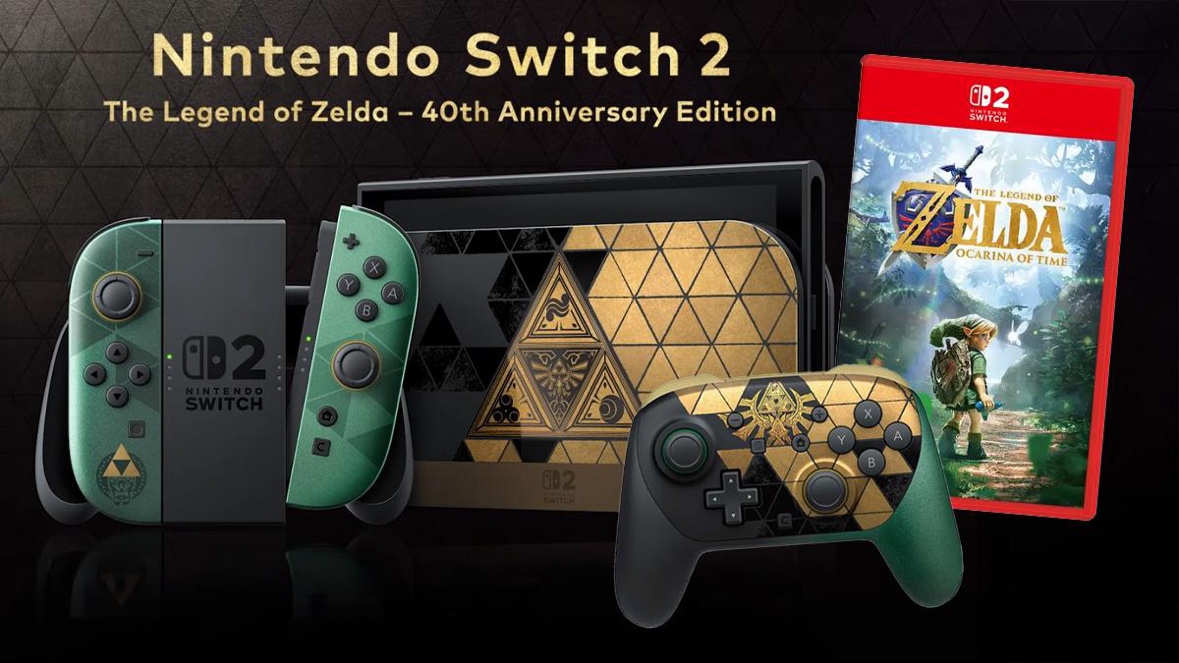
Viewed in that context, the Ocarina of Time remake is more than a standalone video game release.
It is part of a larger effort to celebrate and expand the cultural presence of Zelda.
The remake introduces the franchise’s history to newer audiences.
The concert tour celebrates its musical legacy.
The upcoming film creates another opportunity to reach viewers who may not regularly play Nintendo games.
That is an effective way to maintain interest in a major entertainment property across different media.
It also illustrates how the value of a successful video game franchise now extends far beyond software sales.
Characters, music, stories, merchandise, and adaptations can support each other commercially.
Nintendo is not alone in recognizing this opportunity.
Across entertainment, established franchises increasingly function as long-term cultural ecosystems.
The question is whether this approach encourages greater investment in the worlds audiences love or makes companies more reluctant to create entirely new ones.
The answer may be both.
Gaming Should Celebrate Its Past Without Becoming Trapped in It
There is something genuinely exciting about seeing Ocarina of Time return to such an enthusiastic response.
Games are a relatively young artistic medium compared with literature, film, or music.
Their history deserves to be preserved, studied, revisited, and celebrated.
Nobody questions why a classic novel receives a new edition.
Nobody assumes a restored film is creatively worthless simply because the original premiered decades earlier.
Video games should be allowed to preserve and reinterpret their own history.
But there is a difference between respecting the past and relying on it too heavily.
The industry’s future cannot consist entirely of bringing back familiar experiences with better graphics.
At some point, new generations deserve their own defining games.
They deserve unfamiliar worlds that surprise them.
Characters they have never encountered.
Stories that are not built around decades of existing expectations.
And experiences that become classics precisely because nobody knew what to expect when they first appeared.
The success of Ocarina of Time should remind publishers of what great game design can accomplish.
It should not convince them that the safest creative decision is always to return to something that already worked.
The Real Question Isn’t Why Nintendo Remade Zelda
Nintendo’s remake has already demonstrated its commercial appeal.
More than 5.2 million copies sold in four days is a major achievement.
It confirms that Ocarina of Time remains culturally significant nearly three decades after its original release.
It also demonstrates the extraordinary value of recognizable franchises in today’s gaming market.
But the larger lesson is not simply that nostalgia sells.
It’s that players continue searching for experiences that feel meaningful, memorable, and worth their time.
Sometimes those experiences come from games released decades ago.
Sometimes they come from entirely new ideas.
The industry’s responsibility is not to choose one at the expense of the other.
It’s to make room for both.
Nintendo deserves recognition for investing in a serious reinterpretation of one of gaming’s most influential works.
At the same time, the success of that investment should encourage a difficult conversation about how the industry balances creative ambition with commercial security.
Because the most important games in history didn’t become legendary by copying something that was already legendary.
They became legendary by showing players something they had never experienced before.
And that is what makes the current moment so revealing.
Nintendo just proved that a 28-year-old game can still dominate the present.
Now the gaming industry needs to ask whether it is doing enough to create the classics of the future.
Sources: Nintendo, “The Legend of Zelda: Ocarina of Time for Nintendo Switch 2 Sells Over 5.2 Million Units Worldwide in First Four Days” (November 11, 2026); Nintendo, “It’s Time. Experience The Legend of Zelda: Ocarina of Time, Reborn Exclusively for Nintendo Switch 2” (November 5, 2026); Nintendo, “The Legend of Zelda 40th Anniversary Celebration Revealed in New Nintendo Direct Presentation” (September 8, 2026); Nintendo, “The Live-Action Film of The Legend of Zelda Will Release April 30, 2027” (September 8, 2026); Business Insider, “Nostalgia Is Paying Off Big for Video Game Makers” (November 2026).
Read Next
Video Games Have Become a Money Trap. Is Europe Finally Saying Enough?
What the Hell Is Sony Doing? Inside the PS5 Jailbreak War and the Fight for the Future of Gaming
Hollywood’s AI Double Life: The Technology Studios Are Embracing Behind Closed Doors