
Prefer to listen instead?
This audio feature explores how dating apps are reshaping modern love—from the thrill of unlimited options to the fatigue of ghosting, loneliness, and endless swiping. We also look at how social media distorts expectations and why the Tea app controversy revealed deeper cracks in digital trust. Powered by Pixlehale.
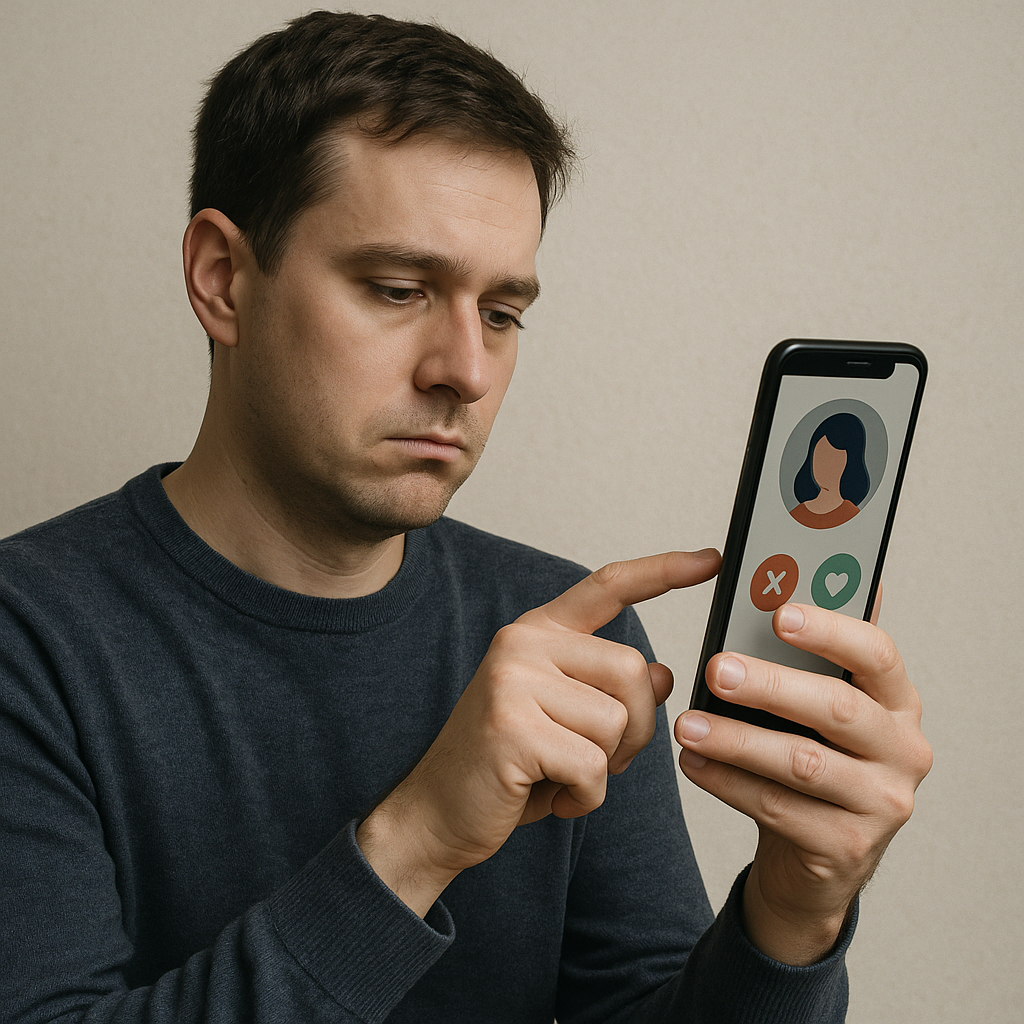
Dating enters the swipe era. Not long ago, finding a date meant meeting through friends, family, or chance real-life encounters. Today, those traditional avenues have been largely supplanted by smartphone apps like Tinder, Bumble, and Hinge, where a single swipe can spark (or snuff out) a connection. This seismic shift—from in-person courtship to algorithm-driven matching—has opened up unprecedented opportunities to meet people beyond one’s usual circles. Yet it also comes with unexpected consequences. Many observers worry that the rise of app-based dating is coinciding with declining relationship stability
and satisfaction in society . At the same time, issues like dating fatigue, loneliness, and depression are on the rise, particularly among young men navigating this new digital romance landscape.
In this article, we take a journalistic yet analytical look at how dating apps have transformed contemporary dating culture. We’ll explore the benefits these apps brought—greater accessibility, expanded options, and convenience—alongside their downsides—burnout, objectification, and the “shopping” mindset toward
partners. We’ll examine research suggesting that relationships formed via swipes may be less stable or fulfilling than those formed the old-fashioned way. In particular, we’ll discuss how the swipe era might be fueling loneliness among men 18–35, drawing on psychological studies and statistics. We’ll also consider
how social media heightens dating expectations and erodes self-worth by showing only highlight reels of love. And as a case study of dating frustrations, we’ll briefly touch on the controversial Tea app, which aimed to make dating safer for women by sharing information about men, stirring cultural debates in the process.
Throughout, we’ll compare today’s app-dominated dating scene to the pre-app dating world in the U.S., U.K., and Europe, to understand what has been gained—and lost—in the pursuit of love online.
From Matchmakers to Match Algorithms: The Dating App
Revolution
It’s hard to overstate how quickly dating apps have become central to modern romance. The first major dating website, Match.com, launched in 1995, but the true revolution began with smartphone apps in the 2010s. In the span of about a decade, online dating evolved from a niche novelty to a mainstream way to meet partners. Roughly 3 in 10 U.S. adults today have used a dating site or app, including nearly half of those under 30. In the U.K., about one-third of new relationships in the late 2010s started online, a share projected to surpass 50% by 2035. Across Europe and beyond, similar trends hold: Tinder has become the most popular dating app in both the U.S. and Europe, boasting tens of millions of users worldwide. By one estimate, over 350 million people globally use dating apps, roughly 4% of the world’s population.
This appification of dating fundamentally changes how people find romance. Instead of relying on chance meetings at a bar or introductions through mutual friends, singles can now browse an endless catalog of profiles anytime, anywhere. A shy introvert can chat up matches from the comfort of home, and a busy professional can efficiently filter potential partners by age, interest, or proximity. “More people will meet their partner online than offline by 2035 if current trends continue,” one report noted. The digital approach is especially liberating for those who historically faced challenges in finding partners—whether due to sexual orientation, geography, or social anxiety.
Yet for all its convenience and reach, swipe-based dating marks a dramatic shift in dynamics. Traditional dating often involved gradual face-to-face courtship, limited by geography and social circles. Now, a user might scroll past dozens of faces in minutes, making split-second judgments on looks and blurbs. The sheer scale of options has few precedents in human history. Has this abundance of choice actually improved our love lives?
The Upside of Swiping
Wider Reach and Diversity: Apps connect people across town or across countries, making relationships more accessible than ever. They’ve helped facilitate more interracial and same-sex relationships, as well as connections across social classes and interests.
Convenience and Efficiency: No more waiting for chance encounters—matches can happen at midnight on the couch or during a lunch break.
Filtering and Compatibility: With filters for distance, age, and interests, users feel more in control of who they meet.
Inclusivity for Niche Groups: From introverts to single parents, marginalized users often find communities more easily online.
Success Stories: Many happy marriages and long-term relationships have begun with a swipe, with roughly 1 in 5 young partnered adults meeting online.
The Burnout Factor
Dating apps are built on endless choice, and while that can feel empowering, it often leads to what psychologists call “choice overload.” Instead of feeling lucky to have options, users report feeling paralyzed. The more profiles they swipe, the more every match feels interchangeable. What should feel like a spark of possibility often becomes a chore.
A 2022 study on digital relationships found that nearly 80% of frequent users felt exhausted or jaded after prolonged swiping. Many compare it to a part-time job: logging on, crafting messages, checking responses, and juggling multiple conversations at once. This cycle of effort with little reward breeds cynicism, and people often disengage not because they’ve found love but because they’re too tired to keep looking.
Compounding this fatigue is the rise of ghosting and low accountability. In pre-app dating, mutual social ties often encouraged politeness—even when ending a relationship. Today, with anonymity and limitless alternatives, disappearing without explanation has become normalized. Over time, repeated ghosting doesn’t just sting; it conditions people to expect rejection and see dating as hostile territory.
Are App Relationships Weaker?
There’s growing evidence that relationships formed on apps are, on average, less stable and less fulfilling. This doesn’t mean they all fail, but the numbers suggest that digital origins create unique hurdles.
One major reason is commitment anxiety born of abundance. When partners know that thousands of alternatives are a tap away, they may be less motivated to work through conflict. Instead of seeing a disagreement as something to resolve, there’s a subtle sense that “someone better” might be just around the corner.
Another factor is the lack of embedded community. Couples who meet offline often share mutual friends, workplaces, or neighborhoods, giving them a support network and social accountability. App-formed couples sometimes miss these anchors, leaving them more vulnerable when stress arises.
Finally, lingering stigma still plays a role. Some couples admit hiding the fact they met online from family, worried it will seem less legitimate. That secrecy or embarrassment can prevent couples from leaning on the support of loved ones—support that often strengthens relationships.
Men, Loneliness, and the Dating Marketplace
For young men, the dating app world can feel particularly unforgiving. Platforms like Tinder skew heavily male, meaning competition for matches is intense. Analysts estimate that women on these apps receive exponentially more likes and messages, while the average man’s profile might only be noticed occasionally.
This uneven attention creates two extremes: a small percentage of highly desired men get most of the matches, while the majority compete for scraps. Repeated rejection or silence leads many men to internalize feelings of invisibility. In surveys, over 60% of male users reported lower self-esteem after using dating apps, while women—though dealing with harassment—were more likely to describe themselves as overwhelmed rather than ignored.
This growing gap feeds into what researchers call a loneliness epidemic among men. Social ties have weakened in general, and for many men, dating apps have become both a hope and a source of despair. In worst cases, these frustrations drive some into toxic online subcultures, where bitterness hardens into misogyny. While that represents only a small fraction, it’s a stark indicator of how deeply dating struggles can shape male identity and mental health.
Social Media’s Mirage
If dating apps fuel rejection, social media fuels comparison. Platforms like Instagram and TikTok have turned relationships into performances. Hashtags like #CoupleGoals or highly produced proposal videos flood feeds, subtly redefining what love “should” look like.
This constant stream distorts expectations. Singles begin to believe that everyone else is in picture-perfect relationships, while couples start comparing their private struggles to the polished highlight reels of others. A minor disagreement can feel catastrophic if it doesn’t match the flawless harmony seen online.
The psychological effect is profound: studies show heavy social media users report higher dissatisfaction with their own relationships, largely due to comparison. In effect, people are no longer just trying to build a healthy bond—they’re also competing in an endless digital beauty contest of love. For some, the pressure to “look happy” online outweighs the effort to actually be happy offline.
Then vs. Now: A Comparison
| Aspect | Traditional Dating (Pre-Apps) | App-Based Dating (Today) |
|---|---|---|
| How You Meet | Friends, family, social events | Algorithms, swipes, strangers |
| First Impressions | Conversation and chemistry | Photos and bios |
| Options | Dozens at most | Hundreds or thousands |
| Accountability | Social ties and mutual reputation | Anonymity, ghosting common |
| Pace | Gradual courtship | Fast, disposable connections |
Across the U.S., U.K., and Europe
Though dating apps are global, their impact varies by region.
- United States: Americans were early adopters, and today the U.S. is the largest market for dating apps. The culture of individuality and tech adoption made swiping mainstream quickly. But the U.S. also hosts some of the loudest debates about dating fatigue, hookup culture, and safety concerns. Surveys show younger Americans are split: some celebrate apps as efficient, while others see them as degrading romance into transactions.
- United Kingdom: Britain has embraced dating apps at scale. By 2019, one in three relationships started online, and projections suggest over half of couples will have met digitally by the mid-2030s. Premium features are especially popular in the U.K., where users spend heavily to boost visibility. At the same time, British media often laments “Tinder fatigue” and the difficulty of building lasting bonds in a swipe-driven culture.
- Europe: Adoption differs across the continent. Northern European countries like Sweden and Belgium lead in per-capita app use, while Southern Europe has blended app dating with stronger traditions of family introductions. France, Germany, and Italy have large app user bases, with Tinder dominating younger demographics and legacy platforms like Meetic or Badoo popular among older groups. Researchers note that across Europe, the same patterns emerge: fatigue, lowered relationship satisfaction, and a mix of optimism and cynicism about swiping’s future.
The Tea App Controversy
The rise and fall of the Tea app highlighted the growing tension between safety and stigma in modern dating. Marketed as a way for women to share reviews and warnings about men they’d dated, Tea briefly soared in popularity before collapsing under hacking scandals and public backlash.
While its premise came from a genuine need—women wanting accountability in an often unsafe dating landscape—the execution revealed deeper problems. By letting users anonymously flag others, Tea created what some critics called a “negative social credit system” for dating. Even unverified claims could follow someone around digitally, turning personal lives into permanent reputations scored by strangers.
The fallout made many worry that apps like Tea could make online dating even harsher. Instead of fostering trust, they risk amplifying suspicion: people begin to see dating not as connection but as a system where every mistake, rejection, or disagreement could be logged against them. For men, it added fuel to the perception that dating apps are stacked against them. For women, the massive breaches and doxxing campaigns that followed reinforced how vulnerable even “safety apps” can be.
In the end, Tea showed both the hunger for better tools and the dangers of building them without safeguards. Rather than solving online dating’s problems, it risked making them worse—eroding trust, deepening divides between genders, and layering a sense of social scoring onto an already stressful landscape.
Finding Balance in the Age of Apps
Dating apps are not going away. They’ve become a dominant tool of modern courtship, and millions of people have found love through them. Their benefits—expanded access, inclusivity, convenience—are undeniable. But their pitfalls are equally clear: burnout, fragile relationships, and rising loneliness, particularly among men. Social media adds fuel to the fire by holding up impossible ideals of beauty and romance.
The challenge for this generation is not to abandon apps but to reclaim control over how they’re used. That means setting limits, approaching them as one tool among many, and remembering that genuine connection still happens offline—through shared communities, mutual accountability, and the messy but rewarding process of getting to know someone beyond a profile.
For society, the lesson is broader: technology has reshaped love, but it hasn’t rewritten our need for intimacy, patience, and trust. Apps can introduce us to people. They cannot build relationships for us. That work remains human—and always will.
Sources: Key data and statements in this article are drawn from Pew Research Center surveys on online dating, harassment, and generational attitudes. Gallup polls provided insights into loneliness among men, while research from Imperial College London projected future online relationship trends. Academic studies published in PNAS Nexus and Cyberpsychology informed sections on relationship satisfaction, burnout, and mental health. Cultural reporting from The Atlantic, Wired, BBC, and The Guardian contributed context on the Tea app controversy, safety concerns, and the evolving cultural conversation on dating apps. Together, these sources provide a fact-based, well-rounded perspective.