
Prefer to listen instead?
The 2026 midterms didn’t just change Congress — they redrew power in state capitals across America. This is a Pixlehale U.S. Politics deep dive, read aloud in full.
While the nation focuses on the new Congress, the 2026 midterm elections have transformed political power in state capitals across America. The changes could affect housing, healthcare, education, workers’ rights, and election laws for millions of people.
The Election Story Beyond Washington
When Americans went to the polls on November 3, much of the national conversation focused on control of Congress.
The Democratic Party’s victories in the House and Senate understandably dominated headlines, triggering debates about President Donald Trump’s remaining two years in office and the direction of both political parties.
But another transformation was unfolding farther away from Washington.
Across the country, voters were reshaping state governments.
Democrats gained control of 12 state legislative chambers, flipped hundreds of legislative seats, and secured unified control of government in six additional states.
According to the National Conference of State Legislatures, the changes brought Democrats to their strongest position in state legislative chamber control since before the Republican wave election of 2010.
The results represent a significant reversal of the political landscape that developed over the previous sixteen years.
Yet the consequences of these victories may be less immediately visible than a new congressional majority.
State governments rarely receive the same sustained national attention as the White House or Congress.
Nevertheless, they make decisions that influence housing costs, public education, healthcare access, transportation, taxation, and numerous aspects of everyday life.
The 2026 election was therefore more than a national referendum on the federal government.
It also changed who holds political power much closer to home.
The Numbers Behind the Statehouse Shift
The scale of the election was extraordinary.
Voters in 46 states selected more than 6,100 state legislators, with elections affecting over 83% of legislative seats nationwide.
Before the election, Republicans controlled substantially more legislative chambers than Democrats.
Following the vote, Democrats were positioned to control more chambers, reversing years of Republican dominance.
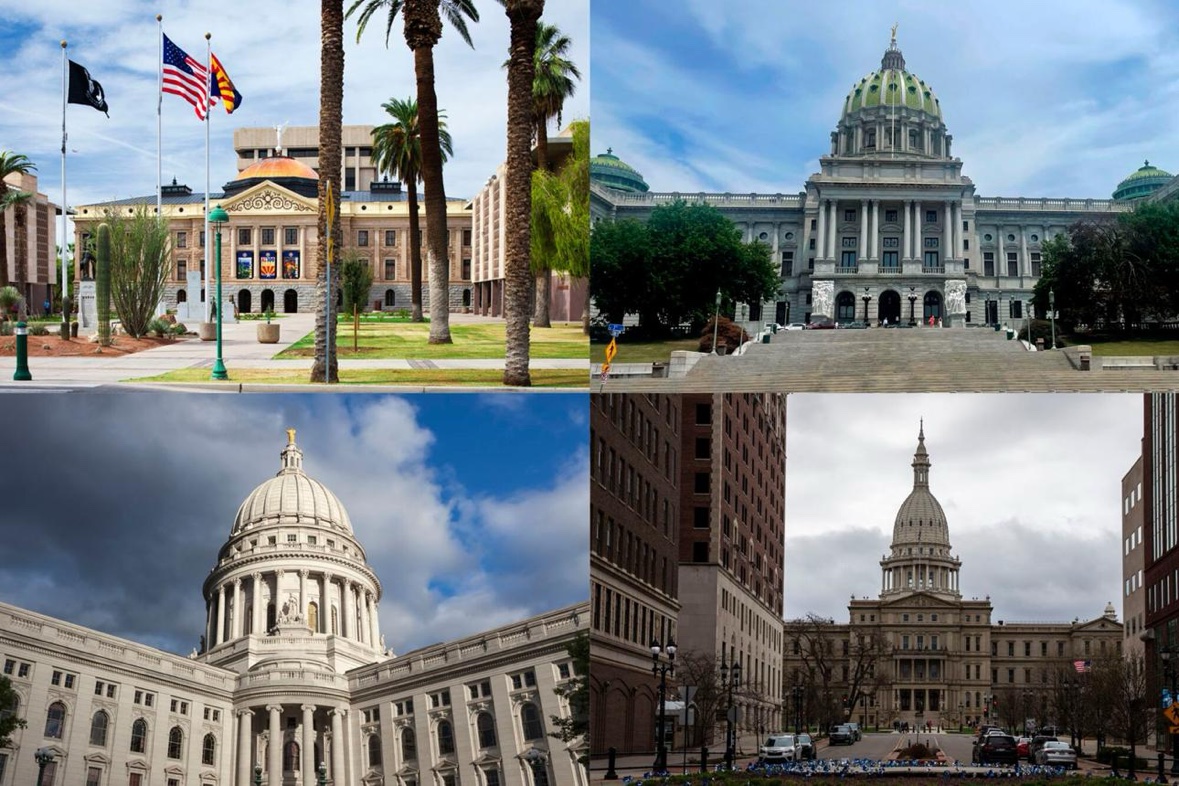
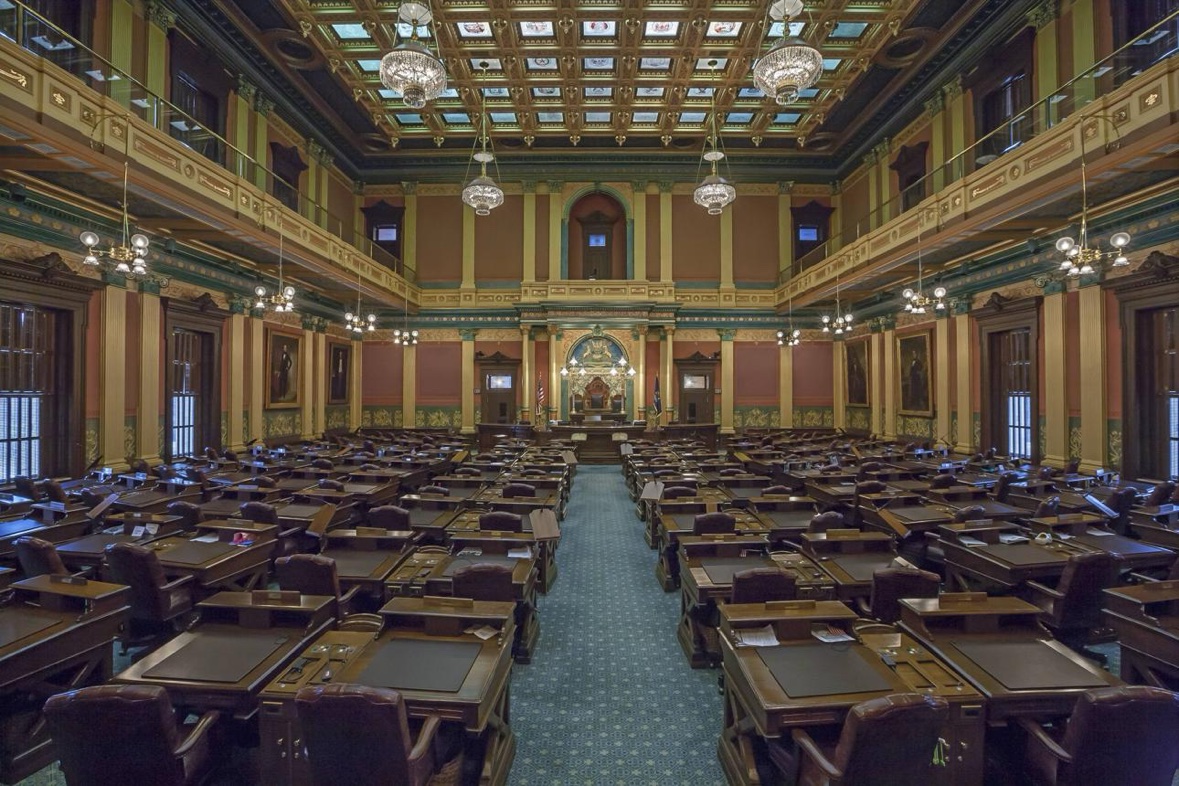
The party gained control of legislative chambers in states including Arizona, Georgia, Michigan, Minnesota, New Hampshire, North Carolina, Pennsylvania, Texas, and Wisconsin.
In several states, those victories represented the first change in legislative control in decades.
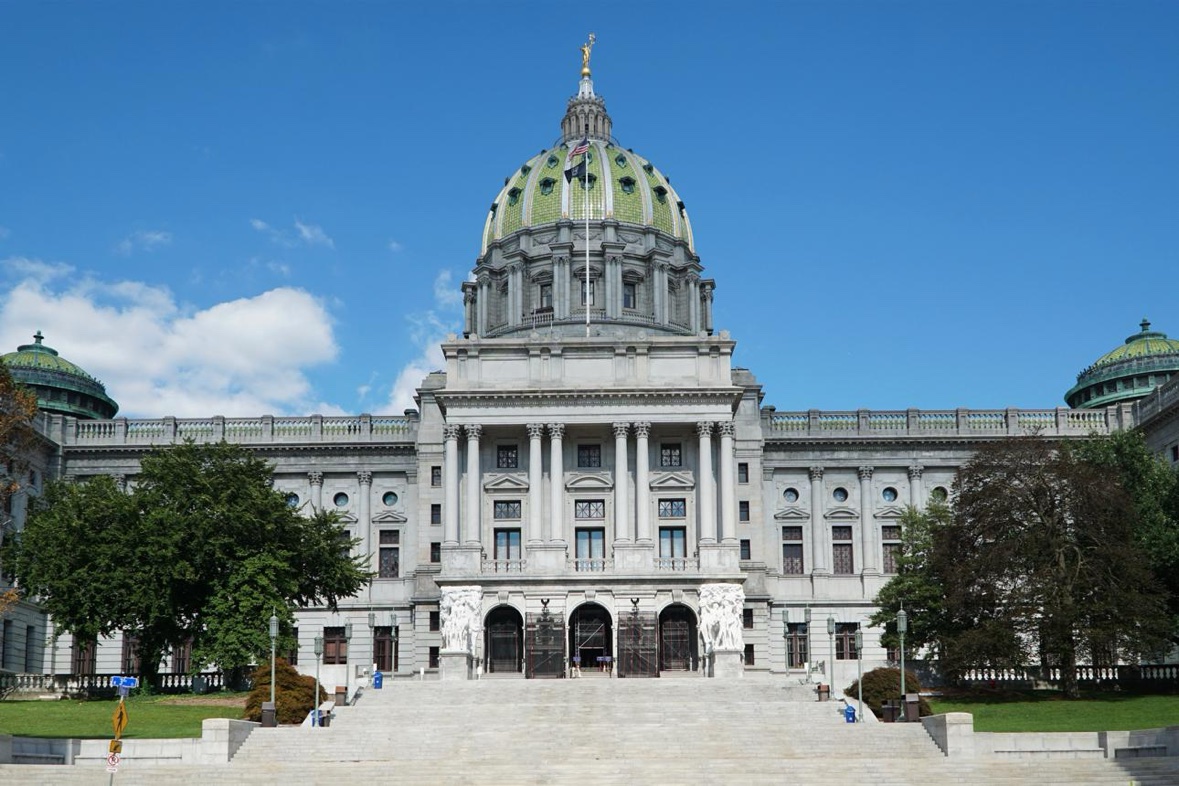
Democrats won the Pennsylvania Senate for the first time since before the 1994 elections.
They captured the Texas House for the first time since the 2002 election.
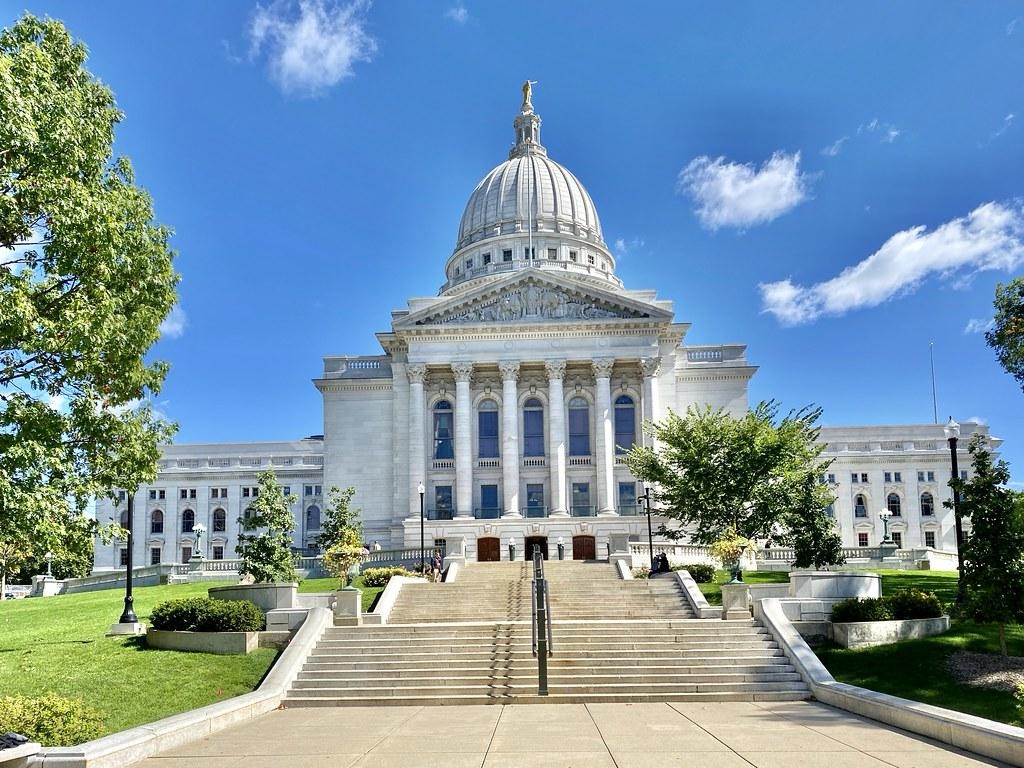
In Wisconsin, Democrats gained control of both legislative chambers for the first time since 2010.
Meanwhile, Republicans lost several longstanding governing advantages, including legislative supermajorities that previously allowed them to override certain gubernatorial vetoes without opposition-party support.
These changes do not mean every state has become politically uniform.
Several will continue operating under divided government, with governors and legislative chambers controlled by different parties.
But the results have substantially altered the balance of political power.
And that shift matters because state legislatures possess considerable authority over policies affecting residents directly.
What Is a State Government Trifecta?
One of the most consequential developments involved what political analysts call a government trifecta.
A trifecta exists when the same political party controls the governor’s office and both chambers of the state legislature.
This arrangement can make it easier for a party to enact legislation because its leaders do not ordinarily need support from the opposing party to pass bills and obtain the governor’s signature.
Of course, unified control does not guarantee agreement.
Lawmakers within the same party can disagree over spending, taxation, regulations, and other policies.
Courts, constitutional restrictions, legislative procedures, and public opposition can also limit what state governments accomplish.
Nevertheless, trifectas create opportunities to pursue a legislative agenda without some of the obstacles associated with divided government.
Following the 2026 election, Democrats gained new trifectas in Arizona, Michigan, Minnesota, Nevada, Pennsylvania, and Wisconsin.
These states have different political histories, economic conditions, and policy priorities.
Their new governments will therefore not necessarily pursue identical agendas.
But the change means Democratic lawmakers will have greater control over which proposals receive hearings, reach the floor, and advance to the governor for consideration.
In a country where the federal government frequently struggles to reach agreement, that governing authority can be particularly consequential.
The States Where Divided Government Is Returning
Not every major Democratic victory produced unified government.
In Georgia, Iowa, Ohio, and Texas, Democratic gubernatorial victories ended Republican trifectas.
New Hampshire also moved from unified Republican control to divided government after Democrats won both legislative chambers while Republican Governor Kelly Ayotte secured reelection.
Divided government creates a different set of opportunities and challenges.
A governor may propose legislation but lack the votes necessary to enact it.
A legislature may pass a bill only to face a gubernatorial veto.
Budgets may require negotiations between political leaders who disagree about priorities.
Supporters of divided government sometimes argue that it encourages compromise and prevents either party from exercising unchecked authority.
Critics argue that it can produce gridlock, delay important decisions, and make accountability more complicated.
Both outcomes are possible.
The practical consequences will depend on how political leaders negotiate, the size of legislative majorities, and the issues confronting each state.
The 2026 results therefore produced two simultaneous developments: more states under unified Democratic control and several formerly Republican-controlled states entering a period of divided government.
Understanding that distinction is essential to evaluating what the election actually changed.
Why These Elections Matter for Housing
Housing affordability has become one of the most pressing economic concerns in the United States.
High rents, limited housing supply, rising construction costs, and expensive mortgages have placed pressure on households across different regions.
Although federal policies influence the housing market, state governments possess important authority over housing construction and regulation.
Lawmakers can change land-use requirements, influence zoning policy, fund affordable housing initiatives, and adjust regulations affecting development.
They can also establish tenant protections and create incentives for new construction.
The incoming state governments may approach these problems differently.
Some could prioritize removing regulatory barriers to building additional housing.
Others may emphasize public investment, affordable housing programs, or stronger tenant protections.
Many will face competing demands from developers, local governments, homeowners, and renters.
The important point is that state legislative control can determine which approaches receive serious consideration.
For residents concerned about housing costs, the decisions made in state capitals over the next several years could be more immediately relevant than many national political debates.
Healthcare Could Become Another Major Battleground
Healthcare policy is another area where the election could produce meaningful changes.
State governments administer Medicaid programs within federal guidelines, regulate insurance markets, oversee healthcare licensing, and make decisions affecting hospitals and public health services.
Lawmakers also influence reproductive healthcare access and funding for certain medical services.
The new balance of power may revive proposals that previously struggled to advance.
In states with unified government, lawmakers may find it easier to pursue healthcare funding changes or expand certain programs.
In states with divided government, proposals could require bipartisan negotiations.
Medicaid expansion is particularly relevant in states that have not adopted it under the Affordable Care Act.
Supporters argue that expansion can improve coverage for low-income adults and reduce uncompensated care.
Opponents often raise concerns about long-term state costs, federal funding dependence, and program design.
Whether the new political landscape changes those debates will depend on each state’s fiscal circumstances and legislative priorities.
But the election has changed which policymakers will be making those decisions.
Public Education Is Also on the Line
Education is one of the clearest examples of the influence state governments exercise over daily life.
State lawmakers determine significant portions of school funding, establish curriculum frameworks, regulate teacher certification, and oversee a range of education policies.
The 2026 election changed legislative control in states where education has been a prominent political issue.
These changes could affect school budgets, teacher compensation, school choice programs, and debates over classroom instruction.
Texas provides one example.
The state’s Democratic gubernatorial victory and shift in House control ended years of unified Republican government.
Yet Republicans retained the state Senate, creating a political environment in which education proposals may require negotiation across party lines.
Elsewhere, new unified Democratic governments may have more freedom to advance their preferred education priorities.
Still, changes in legislative leadership do not immediately reverse existing policies.
Education systems are governed through a combination of state laws, local school boards, administrative agencies, and court decisions.
The effects of the elections will depend on the specific legislation passed and how it is implemented.
Voting Laws and Political Maps Could Change
Perhaps one of the most lasting consequences of the 2026 state elections involves the administration of future elections.
State governments establish many of the rules governing voter registration, ballot access, election administration, and voting procedures.
They also play major roles in congressional and state legislative redistricting, subject to applicable constitutional and legal restrictions.
Changes in political control can therefore influence the electoral environment in which future candidates compete.
Some incoming lawmakers may pursue changes to voting access, election oversight, or district boundaries.
Others may emphasize election security measures and administrative reforms.
The effects will depend on state law, judicial review, and the balance of power between governors and legislatures.
It is important not to assume that every new majority will attempt to redraw political maps or that proposed changes will automatically survive legal challenges.
Nevertheless, control over state institutions can shape electoral rules well beyond a single election cycle.
That is one reason national political organizations invest heavily in state legislative campaigns.
The decisions made by relatively little-known state lawmakers can influence future elections for years.
Republicans Still Hold Significant State Power
The Democratic gains were substantial, but they did not eliminate Republican influence over state government.
Republicans continue to control legislative chambers and governors’ offices across much of the country.
In numerous states, Republican lawmakers retain the authority to determine legislative priorities, manage state budgets, and shape major policy decisions.
Republican governors and attorneys general will also continue influencing national legal disputes, including challenges involving federal authority.
The new political landscape is therefore more competitive, not uniformly Democratic.
For Republicans, the results have introduced questions about campaign strategy, voter concerns, and the governing record of state leaders.
For Democrats, the victories present an opportunity to demonstrate how their policies operate in states with different populations and economic circumstances.
Both parties will face expectations from voters who want tangible results.
The success or failure of individual state governments cannot be determined by the election outcome alone.
It will depend on subsequent policy decisions, economic conditions, implementation, and public accountability.
Why State Politics Has Become So Important
The American political system divides authority among federal, state, and local governments.
That division is often discussed in constitutional terms, but its practical consequences are visible throughout everyday life.
States influence how schools operate.
They regulate many aspects of employment and business activity.
They decide how significant portions of healthcare and transportation funding are spent.
They establish important environmental regulations and consumer protection standards.
And they administer many government programs that residents interact with regularly.
When Congress is divided or federal legislation stalls, state governments can become especially important venues for policy experimentation.
One state may adopt a new housing strategy.
Another may change its healthcare system.
A third may establish new labor protections or revise education funding.
These approaches can then become examples that other governments examine, adopt, modify, or reject.
This is why state governments are sometimes described as laboratories of democracy.
Their decisions can produce lessons about what policies accomplish in practice, including benefits, costs, and unexpected consequences.
Following the 2026 elections, those laboratories will operate under a substantially different political balance.
The Real Test Begins in 2027
The next several months will determine how the incoming state governments translate election victories into legislative priorities.
Some will focus on economic affordability.
Others will pursue changes involving education, healthcare, taxes, or infrastructure.
Governments with unified control may have greater flexibility to enact their agendas.
Those operating under divided control will need to negotiate across party lines.
But all will face constraints.
State budgets must balance competing demands.
Policy proposals can encounter legal challenges.
Economic conditions may change.
And public expectations can exceed what elected officials can realistically accomplish during a single legislative session.
That is why the consequences of the 2026 election should be evaluated through more than partisan control.
The critical questions are what governments propose, what laws they pass, how those laws are implemented, and whether residents experience measurable improvements.
America’s Political Map Has Changed
The 2026 midterm elections will be remembered for their consequences in Washington.
But their influence extends far beyond Congress.
From Arizona and Wisconsin to Georgia and Texas, voters altered the institutions responsible for governing everyday life.
Democrats gained substantial new power in state legislatures and governors’ offices.
Republicans retained influence across many states while losing some longstanding governing advantages.
And millions of Americans will soon experience the consequences of decisions made by newly elected lawmakers who receive only a fraction of the national attention directed toward Congress.
The transformation does not guarantee sweeping policy changes everywhere.
Nor does it establish that voters across different states endorsed an identical political agenda.
But it does create new opportunities, new political constraints, and a different balance of institutional power.
For years, Americans have been encouraged to view national politics primarily through the presidency and Congress.
The 2026 election offers an important reminder that American government is more complicated—and more decentralized—than that.
Washington may dominate the headlines. But the decisions shaping Americans’ daily lives are often made much closer to home.
And after November 3, the people making those decisions have changed dramatically.
Sources: National Conference of State Legislatures — 2026 State Legislative Election Results ; National Conference of State Legislatures — Democratic Wave Upends Republican Dominance ; Reuters — Democratic Gains Across U.S. State Governments (November 4, 2026) ; Ballotpedia — 2026 Election Results ; Ballotpedia — State Government Trifectas ; The Washington Post — Democratic Sweep Opens Door for State-Level Policy Changes (November 12, 2026)
Read Next
Democrats Won Congress. So Why Are They Fighting Each Other? · Democrats Won the Midterms. But Did They Win Over America? · Election Night 2026: Live Results, Wave by Wave