
Tag: Democrats

  • Forget Washington. America’s State Governments Just Changed Dramatically.

    Forget Washington. America’s State Governments Just Changed Dramatically.

    Prefer to listen instead?

    The 2026 midterms didn’t just change Congress — they redrew power in state capitals across America. This is a Pixlehale U.S. Politics deep dive, read aloud in full.

    While the nation focuses on the new Congress, the 2026 midterm elections have transformed political power in state capitals across America. The changes could affect housing, healthcare, education, workers’ rights, and election laws for millions of people.

    The Election Story Beyond Washington

    When Americans went to the polls on November 3, much of the national conversation focused on control of Congress.

    The Democratic Party’s victories in the House and Senate understandably dominated headlines, triggering debates about President Donald Trump’s remaining two years in office and the direction of both political parties.

    But another transformation was unfolding farther away from Washington.

    Across the country, voters were reshaping state governments.

    Democrats gained control of 12 state legislative chambers, flipped hundreds of legislative seats, and secured unified control of government in six additional states.

    According to the National Conference of State Legislatures, the changes brought Democrats to their strongest position in state legislative chamber control since before the Republican wave election of 2010.

    The results represent a significant reversal of the political landscape that developed over the previous sixteen years.

    Yet the consequences of these victories may be less immediately visible than a new congressional majority.

    State governments rarely receive the same sustained national attention as the White House or Congress.

    Nevertheless, they make decisions that influence housing costs, public education, healthcare access, transportation, taxation, and numerous aspects of everyday life.

    The 2026 election was therefore more than a national referendum on the federal government.

    It also changed who holds political power much closer to home.

    The Numbers Behind the Statehouse Shift

    The scale of the election was extraordinary.

    Voters in 46 states selected more than 6,100 state legislators, with elections affecting over 83% of legislative seats nationwide.

    Before the election, Republicans controlled substantially more legislative chambers than Democrats.

    Following the vote, Democrats were positioned to control more chambers, reversing years of Republican dominance.

    The party gained control of legislative chambers in states including Arizona, Georgia, Michigan, Minnesota, New Hampshire, North Carolina, Pennsylvania, Texas, and Wisconsin.

    In several states, those victories represented the first change in legislative control in decades.

    Democrats won the Pennsylvania Senate for the first time since before the 1994 elections.

    They captured the Texas House for the first time since the 2002 election.

    In Wisconsin, Democrats gained control of both legislative chambers for the first time since 2010.

    Meanwhile, Republicans lost several longstanding governing advantages, including legislative supermajorities that previously allowed them to override certain gubernatorial vetoes without opposition-party support.

    These changes do not mean every state has become politically uniform.

    Several will continue operating under divided government, with governors and legislative chambers controlled by different parties.

    But the results have substantially altered the balance of political power.

    And that shift matters because state legislatures possess considerable authority over policies affecting residents directly.
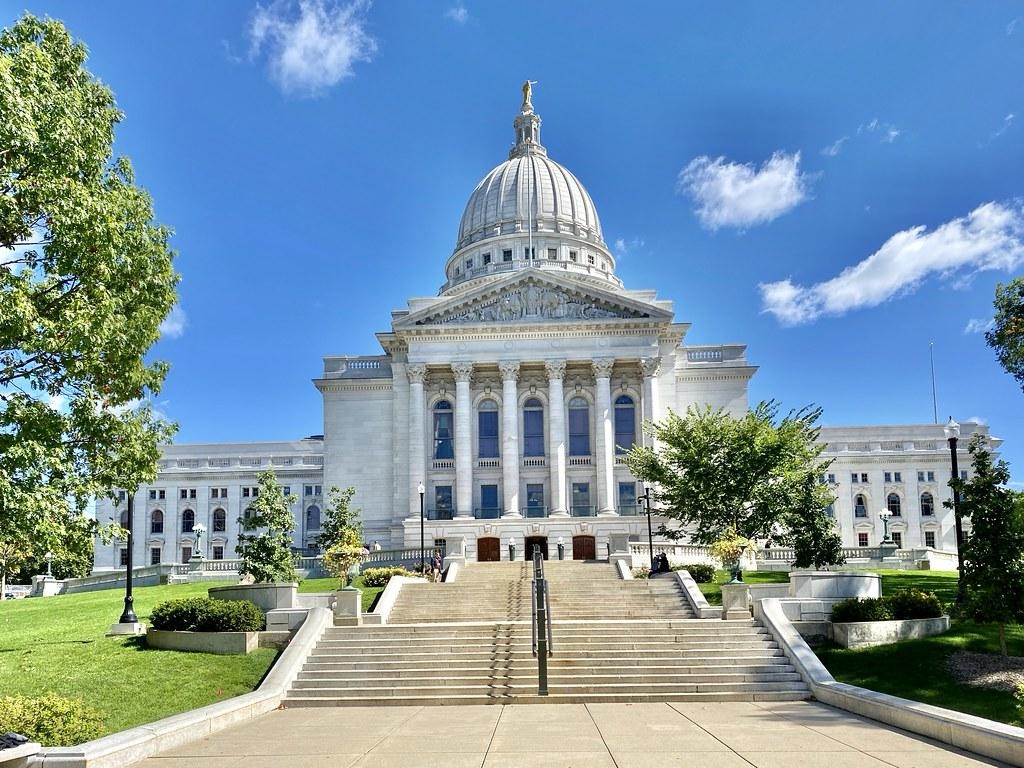
    The Wisconsin State Capitol in Madison, where Democrats gained control of both legislative chambers for the first time since 2010.

    What Is a State Government Trifecta?

    One of the most consequential developments involved what political analysts call a government trifecta.

    A trifecta exists when the same political party controls the governor’s office and both chambers of the state legislature.

    This arrangement can make it easier for a party to enact legislation because its leaders do not ordinarily need support from the opposing party to pass bills and obtain the governor’s signature.

    Of course, unified control does not guarantee agreement.

    Lawmakers within the same party can disagree over spending, taxation, regulations, and other policies.

    Courts, constitutional restrictions, legislative procedures, and public opposition can also limit what state governments accomplish.

    Nevertheless, trifectas create opportunities to pursue a legislative agenda without some of the obstacles associated with divided government.

    Following the 2026 election, Democrats gained new trifectas in Arizona, Michigan, Minnesota, Nevada, Pennsylvania, and Wisconsin.

    These states have different political histories, economic conditions, and policy priorities.

    Their new governments will therefore not necessarily pursue identical agendas.

    But the change means Democratic lawmakers will have greater control over which proposals receive hearings, reach the floor, and advance to the governor for consideration.

    In a country where the federal government frequently struggles to reach agreement, that governing authority can be particularly consequential.

    The Pennsylvania State Capitol in Harrisburg. Democrats won the state Senate for the first time since before the 1994 elections and completed a new governing trifecta.

    The States Where Divided Government Is Returning

    Not every major Democratic victory produced unified government.

    In Georgia, Iowa, Ohio, and Texas, Democratic gubernatorial victories ended Republican trifectas.

    New Hampshire also moved from unified Republican control to divided government after Democrats won both legislative chambers while Republican Governor Kelly Ayotte secured reelection.

    Divided government creates a different set of opportunities and challenges.

    A governor may propose legislation but lack the votes necessary to enact it.

    A legislature may pass a bill only to face a gubernatorial veto.

    Budgets may require negotiations between political leaders who disagree about priorities.

    Supporters of divided government sometimes argue that it encourages compromise and prevents either party from exercising unchecked authority.

    Critics argue that it can produce gridlock, delay important decisions, and make accountability more complicated.

    Both outcomes are possible.

    The practical consequences will depend on how political leaders negotiate, the size of legislative majorities, and the issues confronting each state.

    The 2026 results therefore produced two simultaneous developments: more states under unified Democratic control and several formerly Republican-controlled states entering a period of divided government.

    Understanding that distinction is essential to evaluating what the election actually changed.

    Why These Elections Matter for Housing

    Housing affordability has become one of the most pressing economic concerns in the United States.

    High rents, limited housing supply, rising construction costs, and expensive mortgages have placed pressure on households across different regions.

    Although federal policies influence the housing market, state governments possess important authority over housing construction and regulation.

    Lawmakers can change land-use requirements, influence zoning policy, fund affordable housing initiatives, and adjust regulations affecting development.

    They can also establish tenant protections and create incentives for new construction.

    The incoming state governments may approach these problems differently.

    Some could prioritize removing regulatory barriers to building additional housing.

    Others may emphasize public investment, affordable housing programs, or stronger tenant protections.

    Many will face competing demands from developers, local governments, homeowners, and renters.

    The important point is that state legislative control can determine which approaches receive serious consideration.

    For residents concerned about housing costs, the decisions made in state capitals over the next several years could be more immediately relevant than many national political debates.

    Healthcare Could Become Another Major Battleground

    Healthcare policy is another area where the election could produce meaningful changes.

    State governments administer Medicaid programs within federal guidelines, regulate insurance markets, oversee healthcare licensing, and make decisions affecting hospitals and public health services.

    Lawmakers also influence reproductive healthcare access and funding for certain medical services.

    The new balance of power may revive proposals that previously struggled to advance.

    In states with unified government, lawmakers may find it easier to pursue healthcare funding changes or expand certain programs.

    In states with divided government, proposals could require bipartisan negotiations.

    Medicaid expansion is particularly relevant in states that have not adopted it under the Affordable Care Act.

    Supporters argue that expansion can improve coverage for low-income adults and reduce uncompensated care.

    Opponents often raise concerns about long-term state costs, federal funding dependence, and program design.

    Whether the new political landscape changes those debates will depend on each state’s fiscal circumstances and legislative priorities.

    But the election has changed which policymakers will be making those decisions.

    Public Education Is Also on the Line

    Education is one of the clearest examples of the influence state governments exercise over daily life.

    State lawmakers determine significant portions of school funding, establish curriculum frameworks, regulate teacher certification, and oversee a range of education policies.

    The 2026 election changed legislative control in states where education has been a prominent political issue.

    These changes could affect school budgets, teacher compensation, school choice programs, and debates over classroom instruction.

    Texas provides one example.

    The state’s Democratic gubernatorial victory and shift in House control ended years of unified Republican government.

    Yet Republicans retained the state Senate, creating a political environment in which education proposals may require negotiation across party lines.

    Elsewhere, new unified Democratic governments may have more freedom to advance their preferred education priorities.

    Still, changes in legislative leadership do not immediately reverse existing policies.

    Education systems are governed through a combination of state laws, local school boards, administrative agencies, and court decisions.

    The effects of the elections will depend on the specific legislation passed and how it is implemented.

    Voting Laws and Political Maps Could Change

    Perhaps one of the most lasting consequences of the 2026 state elections involves the administration of future elections.

    State governments establish many of the rules governing voter registration, ballot access, election administration, and voting procedures.

    They also play major roles in congressional and state legislative redistricting, subject to applicable constitutional and legal restrictions.

    Changes in political control can therefore influence the electoral environment in which future candidates compete.

    Some incoming lawmakers may pursue changes to voting access, election oversight, or district boundaries.

    Others may emphasize election security measures and administrative reforms.

    The effects will depend on state law, judicial review, and the balance of power between governors and legislatures.

    It is important not to assume that every new majority will attempt to redraw political maps or that proposed changes will automatically survive legal challenges.

    Nevertheless, control over state institutions can shape electoral rules well beyond a single election cycle.

    That is one reason national political organizations invest heavily in state legislative campaigns.

    The decisions made by relatively little-known state lawmakers can influence future elections for years.
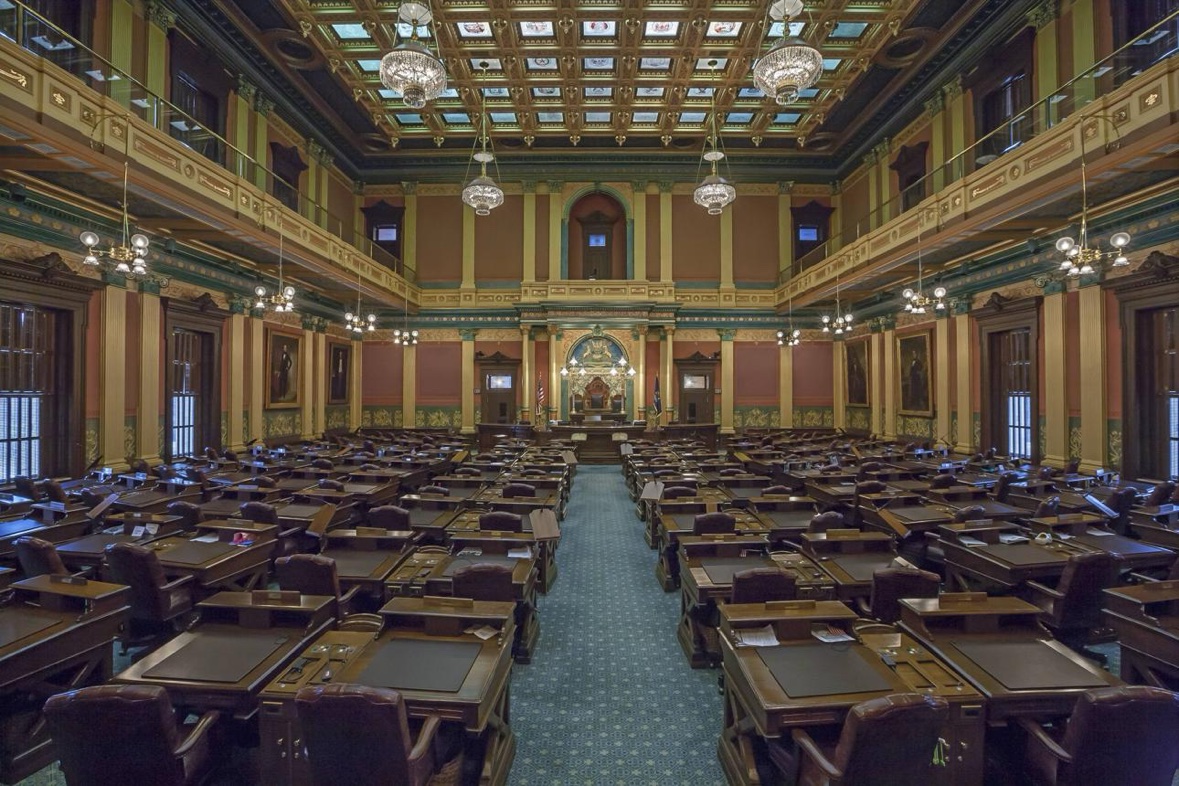
    Inside the Michigan State Capitol in Lansing. Michigan is one of six states where Democrats gained a new governing trifecta in 2026.

    Republicans Still Hold Significant State Power

    The Democratic gains were substantial, but they did not eliminate Republican influence over state government.

    Republicans continue to control legislative chambers and governors’ offices across much of the country.

    In numerous states, Republican lawmakers retain the authority to determine legislative priorities, manage state budgets, and shape major policy decisions.

    Republican governors and attorneys general will also continue influencing national legal disputes, including challenges involving federal authority.

    The new political landscape is therefore more competitive, not uniformly Democratic.

    For Republicans, the results have introduced questions about campaign strategy, voter concerns, and the governing record of state leaders.

    For Democrats, the victories present an opportunity to demonstrate how their policies operate in states with different populations and economic circumstances.

    Both parties will face expectations from voters who want tangible results.

    The success or failure of individual state governments cannot be determined by the election outcome alone.

    It will depend on subsequent policy decisions, economic conditions, implementation, and public accountability.

    Why State Politics Has Become So Important

    The American political system divides authority among federal, state, and local governments.

    That division is often discussed in constitutional terms, but its practical consequences are visible throughout everyday life.

    States influence how schools operate.

    They regulate many aspects of employment and business activity.

    They decide how significant portions of healthcare and transportation funding are spent.

    They establish important environmental regulations and consumer protection standards.

    And they administer many government programs that residents interact with regularly.

    When Congress is divided or federal legislation stalls, state governments can become especially important venues for policy experimentation.

    One state may adopt a new housing strategy.

    Another may change its healthcare system.

    A third may establish new labor protections or revise education funding.

    These approaches can then become examples that other governments examine, adopt, modify, or reject.

    This is why state governments are sometimes described as laboratories of democracy.

    Their decisions can produce lessons about what policies accomplish in practice, including benefits, costs, and unexpected consequences.

    Following the 2026 elections, those laboratories will operate under a substantially different political balance.
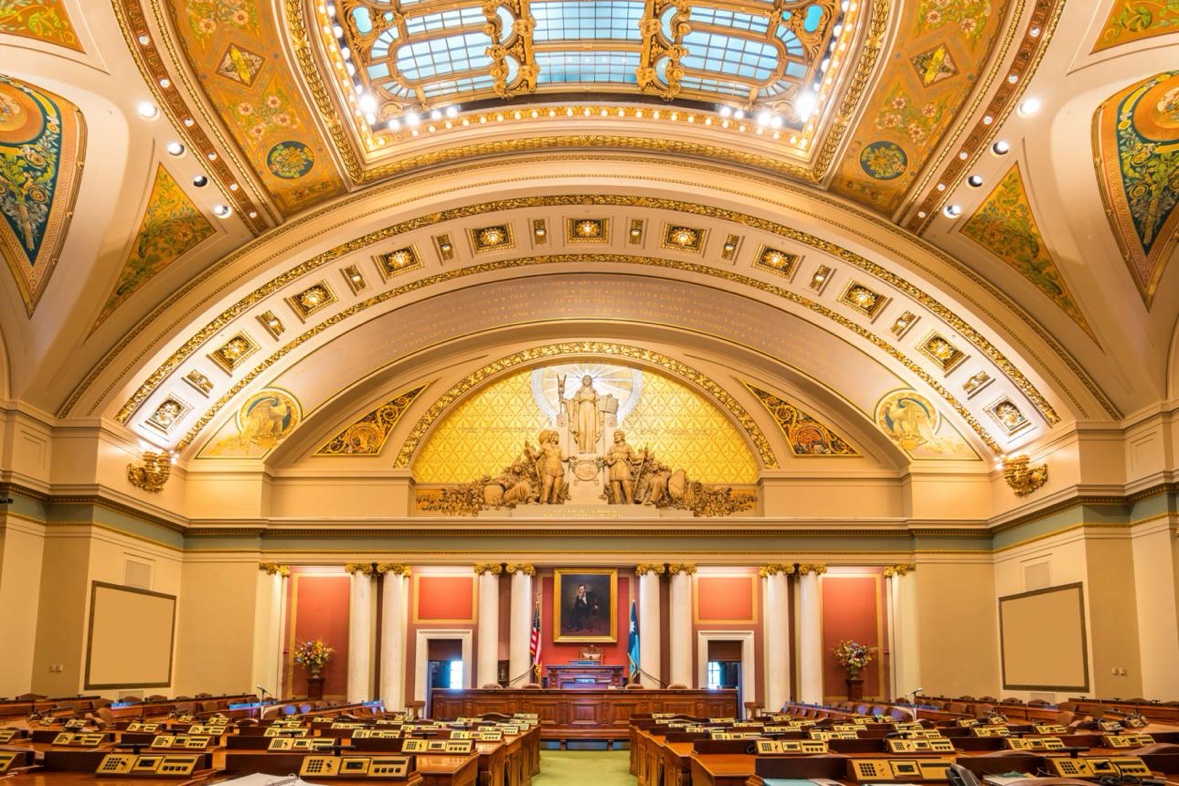
    The Wisconsin Assembly chamber in Madison. What the new majorities do with their power starting in 2027 is the real test of the 2026 results.

    The Real Test Begins in 2027

    The next several months will determine how the incoming state governments translate election victories into legislative priorities.

    Some will focus on economic affordability.

    Others will pursue changes involving education, healthcare, taxes, or infrastructure.

    Governments with unified control may have greater flexibility to enact their agendas.

    Those operating under divided control will need to negotiate across party lines.

    But all will face constraints.

    State budgets must balance competing demands.

    Policy proposals can encounter legal challenges.

    Economic conditions may change.

    And public expectations can exceed what elected officials can realistically accomplish during a single legislative session.

    That is why the consequences of the 2026 election should be evaluated through more than partisan control.

    The critical questions are what governments propose, what laws they pass, how those laws are implemented, and whether residents experience measurable improvements.

    America’s Political Map Has Changed

    The 2026 midterm elections will be remembered for their consequences in Washington.

    But their influence extends far beyond Congress.

    From Arizona and Wisconsin to Georgia and Texas, voters altered the institutions responsible for governing everyday life.

    Democrats gained substantial new power in state legislatures and governors’ offices.

    Republicans retained influence across many states while losing some longstanding governing advantages.

    And millions of Americans will soon experience the consequences of decisions made by newly elected lawmakers who receive only a fraction of the national attention directed toward Congress.

    The transformation does not guarantee sweeping policy changes everywhere.

    Nor does it establish that voters across different states endorsed an identical political agenda.

    But it does create new opportunities, new political constraints, and a different balance of institutional power.

    For years, Americans have been encouraged to view national politics primarily through the presidency and Congress.

    The 2026 election offers an important reminder that American government is more complicated—and more decentralized—than that.

    Washington may dominate the headlines. But the decisions shaping Americans’ daily lives are often made much closer to home.

    And after November 3, the people making those decisions have changed dramatically.

    Sources: National Conference of State Legislatures — 2026 State Legislative Election Results ; National Conference of State Legislatures — Democratic Wave Upends Republican Dominance ; Reuters — Democratic Gains Across U.S. State Governments (November 4, 2026) ; Ballotpedia — 2026 Election Results ; Ballotpedia — State Government Trifectas ; The Washington Post — Democratic Sweep Opens Door for State-Level Policy Changes (November 12, 2026)


    Read Next

    Democrats Won Congress. So Why Are They Fighting Each Other? · Democrats Won the Midterms. But Did They Win Over America? · Election Night 2026: Live Results, Wave by Wave
  • Democrats Won Congress. So Why Are They Fighting Each Other?

    Democrats Won Congress. So Why Are They Fighting Each Other?

    One week after a sweeping midterm victory, Democrats are confronting an unexpected leadership struggle. Bernie Sanders wants Chuck Schumer replaced, incoming lawmakers are demanding a new direction, and questions are growing around Hakeem Jeffries. Meanwhile, Republicans have already selected their congressional leaders. What does this mean for the party preparing to govern?

    Prefer to listen instead?

    One week after a sweeping victory, Democrats are already arguing over who should lead them. Hear the full story, narrated for Pixlehale.

    The Victory That Started Another Fight

    On November 3, American voters delivered one of the most consequential midterm election results in recent history.

    Democrats captured control of both chambers of Congress, flipping Republican-held seats across states that had previously seemed difficult for the party to win.

    By November 10, Democrats had secured at least 54 Senate seats and a House majority projected well above 250 seats, with several races still awaiting final results.

    The victories marked a significant reversal from the party’s position following the 2024 presidential election. Democrats now have an opportunity to reshape the national legislative agenda, investigate the Trump administration, and challenge Republican policies during the final two years of President Donald Trump’s term.

    Yet just one week after their electoral success, Democrats are facing an increasingly public disagreement.

    The issue is not whether they won.

    It is who should lead them.

    Senate Democratic Leader Chuck Schumer, who helped guide his party back into the majority, is facing calls to step aside from lawmakers and activists who believe the election represents a demand for generational and political change.

    House Democratic Leader Hakeem Jeffries is encountering questions from some incoming members about the party’s direction and the priorities of its next majority.

    Meanwhile, Republicans, despite losing control of Congress, have already selected their next leaders.

    The contrast raises a fascinating question.

    How can a political party emerge from an enormous electoral victory and immediately find itself debating whether its existing leadership is equipped for the moment?

    The answer reveals a much deeper struggle over the future of the Democratic Party.

    Bernie Sanders Has Drawn a Line Against Chuck Schumer

    The leadership dispute intensified dramatically on November 10.

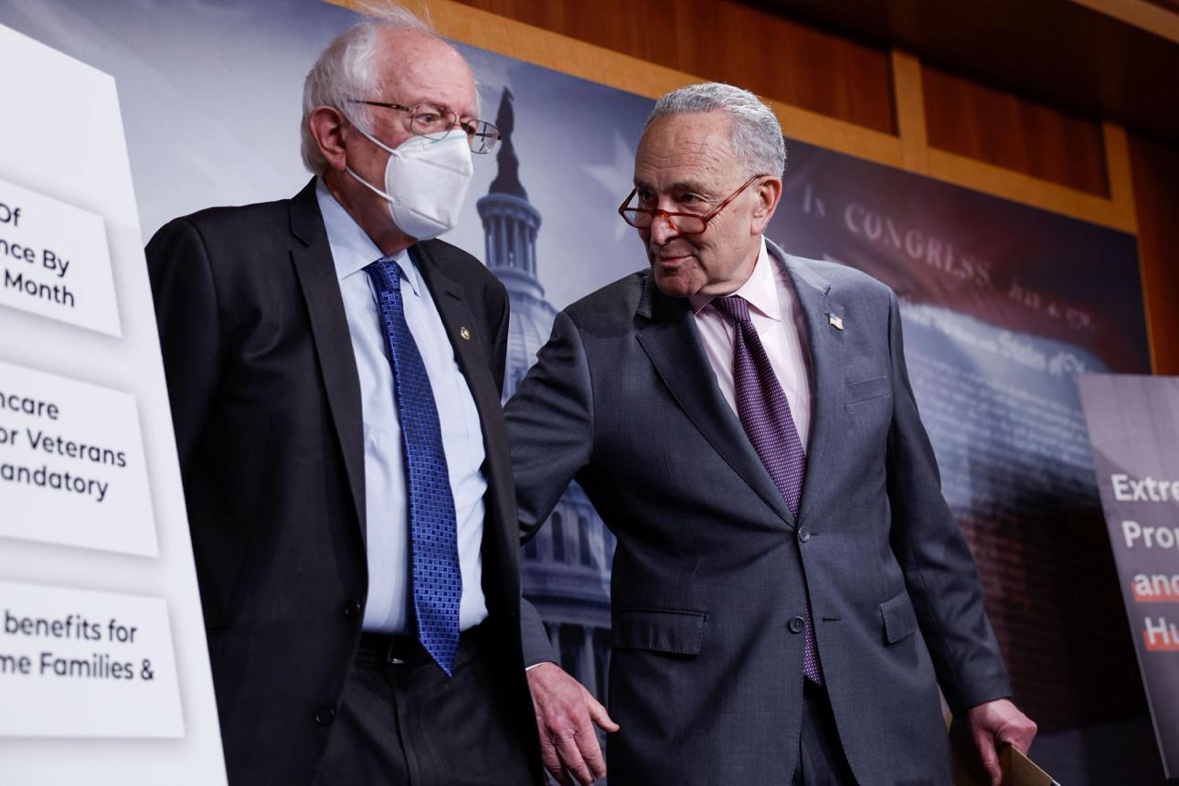
    Senator Bernie Sanders, the independent from Vermont who caucuses with Democrats, announced that he would not support Chuck Schumer’s reelection as Senate Democratic leader.

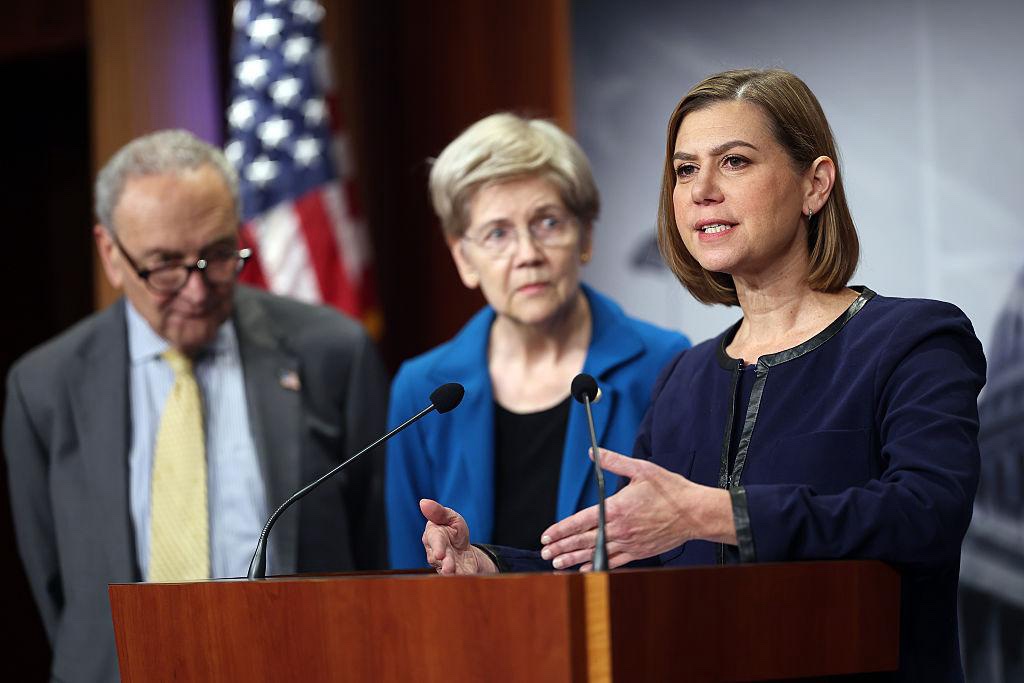
    Speaking alongside Michigan Senator Elissa Slotkin, Sanders argued that the midterm election demonstrated the public’s demand for a different political and economic direction.

    Although Sanders acknowledged Schumer’s work and their longstanding relationship, he said the party needed leadership prepared to confront economic inequality and the concentration of wealth and power.

    Slotkin expressed her own concerns.

    Rather than endorsing a particular replacement, she argued that candidates for leadership should present a concrete plan explaining how Democrats intend to govern.

    Her position highlighted a distinction within the emerging opposition.

    Some lawmakers want a new leader.

    Others want a different governing strategy and are unwilling to commit their support until they see one.

    Together, their statements transformed what had previously been a largely private conversation into a visible leadership challenge.

    Sen. Elissa Slotkin, flanked by Schumer and Sen. Elizabeth Warren, says leadership candidates must show her a concrete governing plan to earn her vote.

    Schumer, however, has shown no intention of stepping aside.

    He told reporters that he remains confident of winning another term and emphasized what he described as broad agreement among Democrats on lowering costs, addressing corruption, ending political instability, and bringing the war in Iran to an end.

    His allies also point to the election itself.

    After all, Democrats just won control of the Senate under his leadership.

    For supporters, the results provide a compelling argument for continuity.

    For critics, electoral success does not necessarily settle the question of what kind of party Democrats should become.

    The Argument for Keeping Schumer

    Chuck Schumer has led Senate Democrats since 2017, navigating years of divided government, presidential transitions, legislative negotiations, and changing political coalitions.

    His supporters emphasize his experience, fundraising abilities, candidate recruitment, and understanding of Senate procedure.

    Those arguments carry particular weight after the 2026 midterms.

    Democrats won races in states including Texas, Kansas, South Carolina, Ohio, Iowa, North Carolina, and Maine.

    Several of those victories occurred in states where Democratic candidates had struggled for years.

    Senator Kirsten Gillibrand, who chaired the Democratic Senatorial Campaign Committee during the election cycle, has defended Schumer’s role in building the successful campaign operation.

    Supporters also argue that governing the Senate requires more than political messaging.

    The chamber’s procedures, committee structure, legislative negotiations, and relationship with the executive branch place substantial demands on its majority leader.

    A leadership transition could introduce uncertainty just as Democrats prepare to assume control.

    And unlike a presidential primary or general election, the choice of Senate Democratic leader is made internally by members of the caucus.

    Schumer needs the support of a majority of those participating in that leadership vote.

    Public criticism, therefore, does not automatically translate into a successful effort to replace him.

    But his critics are raising a different issue.

    They argue that the party should not confuse winning an election with resolving its internal disagreements.

    Chris Van Hollen and the Possibility of a Leadership Challenge

    Among the names being discussed as a possible alternative to Schumer is Maryland Senator Chris Van Hollen.

    Van Hollen has called for a more open discussion of Democratic leadership and the responsibilities that come with the party’s new congressional majority.

    By November 10, he acknowledged that colleagues had been contacting him about a possible challenge.

    He had not formally announced a candidacy.

    His potential involvement nevertheless adds significance to the debate.

    Without a credible alternative, opposition to an incumbent leader may remain largely symbolic.

    A contested leadership election would give Democratic senators an opportunity to choose between competing candidates and approaches.

    But the discussion surrounding Van Hollen also reveals that the disagreement extends beyond age or personality.

    He has criticized decisions made by the Democratic Party’s political establishment during certain primary campaigns, including the influence of outside organizations and financial interests.

    The broader dispute concerns who gets to shape Democratic priorities, which candidates receive establishment backing, and how leadership should respond when grassroots voters choose a different direction.

    Those questions have existed within the party for years.

    The election results have made them harder to avoid.

    A New Generation of Democrats Wants a Voice

    The 2026 elections brought a politically diverse group of incoming lawmakers to Washington.

    Some won by emphasizing affordability, healthcare, and pragmatic government.

    Others ran campaigns more directly challenging established Democratic leadership and the influence of wealthy donors.

    That diversity complicates the idea that the election produced a single, unmistakable ideological mandate.

    Voters in different states supported different candidates for different reasons.

    A Democrat elected in a closely divided suburban district may interpret the results differently from a progressive elected after defeating an establishment-backed candidate in a primary.

    Both can reasonably claim that their campaign strategy succeeded.

    Yet they may disagree about how the party should approach the next Congress.

    Incoming lawmakers also have an unusual opportunity to influence the leadership discussion.

    Newly elected senators participate in the party’s leadership elections before they are formally sworn into office.

    That means the incoming class can help determine who will lead the chamber beginning in January.

    Michigan Senator-elect Abdul El-Sayed has expressed support for Van Hollen.

    Other incoming Democrats have been more cautious about making commitments.

    Some want to hear detailed plans before choosing sides.

    The result is an internal conversation that mixes generational change, ideological disagreement, regional representation, and competing ideas about political strategy.

    Describing it simply as a progressive rebellion would miss part of the story.

    The demand for change is coming from lawmakers with different political identities and priorities.

    Hakeem Jeffries Faces Questions of His Own

    The leadership debate is not limited to the Senate.

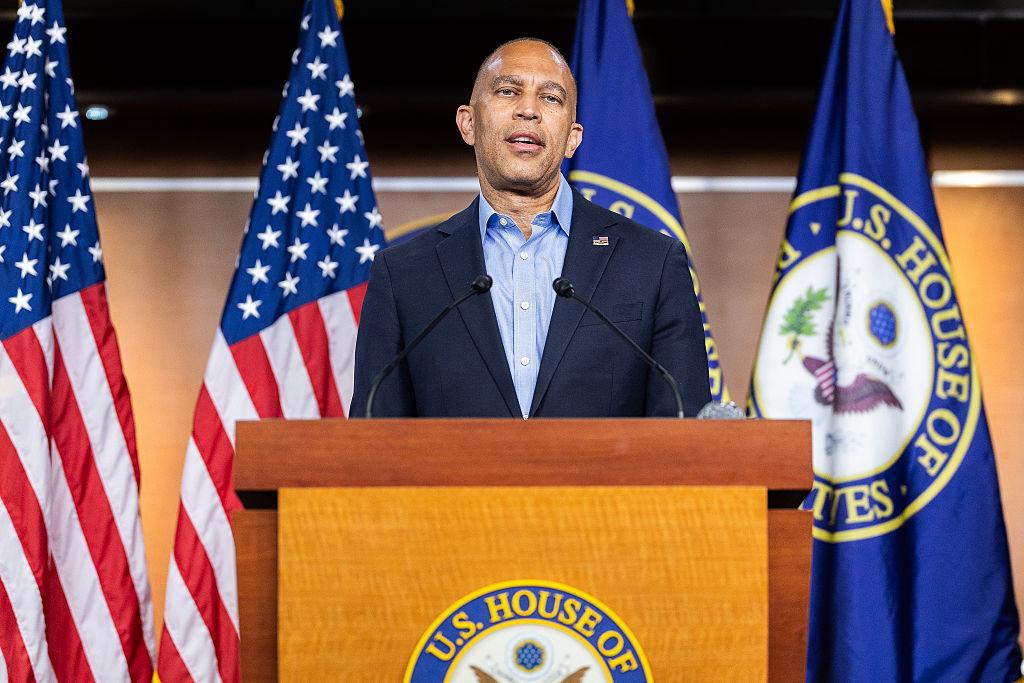
    In the House of Representatives, Hakeem Jeffries is positioned to become speaker when Democrats assume control in January.

    House Democratic Leader Hakeem Jeffries, positioned to become speaker when the new Congress convenes — if his incoming caucus commits to him.

    His leadership helped guide the party through a successful election cycle.

    However, some incoming progressive lawmakers have declined to commit their support before discussing the priorities of the next Congress.

    Progressive activists have also called for a more open leadership process.

    Criticism of Jeffries has focused on issues including the party’s relationship with corporate interests, its approach to the Trump administration, and disagreements over foreign policy.

    Still, his position differs from the increasingly public Senate leadership dispute.

    No major challenger has emerged against Jeffries, and he retains substantial support from established House Democrats.

    His supporters can point to the party’s unusually large House majority and the organizational work required to secure it.

    For Jeffries, the immediate question may be less about whether he survives a leadership challenge and more about how he manages a caucus with competing expectations.

    A large majority provides flexibility, but it also creates room for internal disagreement.

    Progressive lawmakers may demand bold legislative proposals.

    Moderates representing competitive districts may place greater emphasis on protecting their electoral coalitions and demonstrating practical results.

    The speaker’s challenge will be finding enough common ground to pass legislation without alienating important parts of the caucus.

    The same election that gave Democrats greater power also gave them a broader range of voices demanding influence over how that power is used.

    What Did Voters Actually Give Democrats Permission to Do?

    This may be the most consequential disagreement emerging from the election.

    Democrats broadly agree that rising living costs were a central concern for voters.

    But the party has not reached the same level of agreement on every policy response.

    Some lawmakers want the new majority to prioritize healthcare affordability, restore Medicaid funding, and challenge tariffs that they argue have increased consumer costs.

    Others want a more aggressive agenda addressing wealth inequality, corporate influence, and structural economic reform.

    Foreign policy is another major area of debate.

    The war in Iran has generated criticism from Democratic lawmakers, but disagreements remain over congressional strategy and the appropriate response.

    There are also questions about oversight.

    Democrats will soon control the House and Senate committees capable of investigating actions taken by the Trump administration.

    That gives the party additional tools to examine executive decisions, government spending, immigration enforcement, and potential conflicts of interest.

    Some Democrats favor a particularly aggressive oversight approach.

    Others emphasize the need to demonstrate that Congress can address everyday economic concerns rather than becoming consumed by investigations.

    These positions are not always mutually exclusive.

    A congressional majority can pursue legislation and oversight simultaneously.

    But political attention, committee resources, and available legislative time are limited.

    The leadership will have to decide which priorities receive the most attention.

    And those decisions could influence whether the party’s diverse coalition remains united.

    The Filibuster Complicates Everything

    Even with control of both chambers, Democrats will face substantial barriers to passing legislation.

    The Senate’s legislative filibuster generally requires 60 votes to advance most bills.

    With Democrats holding at least 54 seats, they would need some Republican support to overcome that threshold unless they changed Senate procedures or used an available exception.

    That creates a major strategic disagreement.

    Progressive activists have called for eliminating the legislative filibuster, arguing that it allows a Senate minority to block policies supported by an elected majority.

    Others have defended the rule as a mechanism encouraging compromise and protecting minority-party influence.

    Changing it would involve institutional consequences extending beyond the immediate Democratic majority.

    There is also the presidency.

    Donald Trump remains in the White House, meaning legislation passed by a Democratic Congress could still face a presidential veto.

    Overriding a veto requires a two-thirds vote in both chambers, a considerably higher threshold than the Democrats’ current majorities.

    This means Democrats will not have unrestricted governing power even after January 3.

    They will possess substantial influence over legislation, investigations, spending negotiations, and confirmations.

    But implementing major policy changes will require navigating institutional restrictions and political opposition.

    That makes the leadership debate more than an internal popularity contest.

    Different leaders may pursue different strategies for using congressional authority when the presidency remains in Republican hands.

    Republicans Have Already Made Their Leadership Decisions

    While Democrats are debating their future leadership, Republicans held their own elections on November 10.

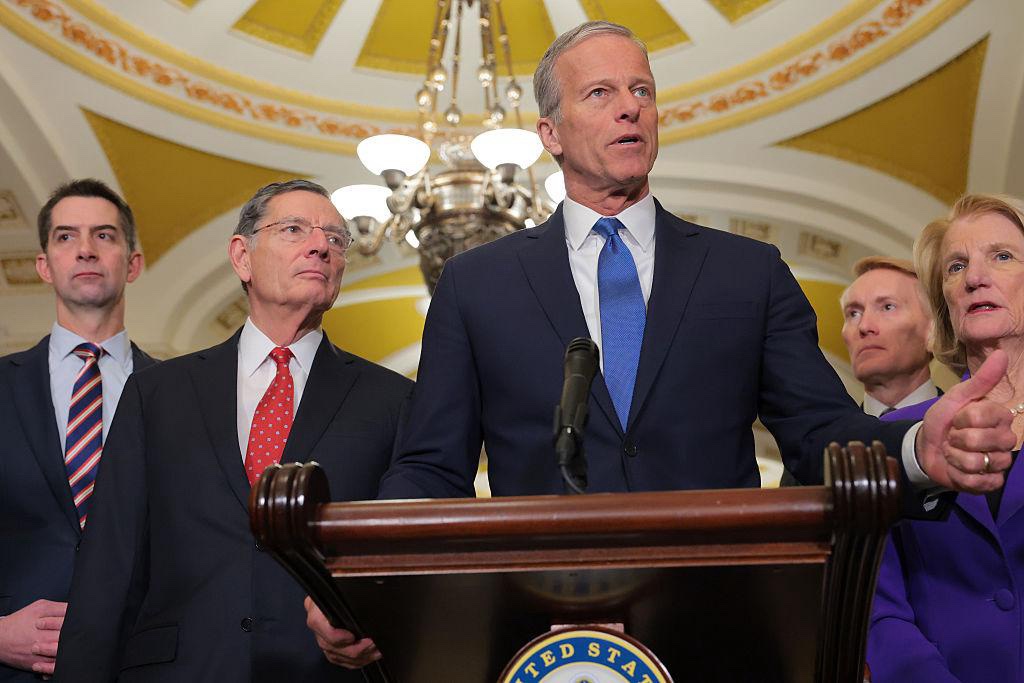
    In the Senate, Republicans reelected John Thune of South Dakota as their leader.

    Thune ran unopposed, though the vote to proceed with the leadership elections at all passed only 31–15, over a delay effort led by Senator Ron Johnson.

    Thune will move from majority leader to minority leader when the new Congress convenes.

    His continued leadership represents a decision to retain experienced party management despite significant electoral losses.

    Senate Republican Leader John Thune, reelected after his conference voted 31–15 to proceed with its leadership elections over a push to delay them.

    In the House, Republicans chose a different approach.

    Representative Jim Jordan of Ohio defeated Representative Steve Scalise of Louisiana in a closed-door vote to become the next House Republican leader.

    Jordan is closely associated with the party’s conservative wing and has been a prominent supporter of President Trump.

    His selection followed Speaker Mike Johnson’s decision not to seek another term as Republican leader.

    These developments illustrate two different responses to defeat.

    Senate Republicans retained their existing leader.

    House Republicans selected a new one.

    But neither outcome means the Republican Party has resolved its own internal disagreements.

    Thune faced criticism from some conservatives who wanted leadership elections delayed after the midterm losses.

    Jordan’s victory also reflects the influence of the party’s more confrontational conservative faction.

    The contrast with Democrats is therefore not simply that one party is united and the other divided.

    Both are responding to a major political realignment, but their leadership disputes are taking different forms.

    Republicans have completed their immediate leadership selections.

    Democrats are still deciding whether electoral victory justifies continuity or creates an opportunity for change.

    The Difference Between Winning Power and Knowing How to Use It

    Political parties often appear most united when confronting a common opponent.

    Election campaigns create shared objectives.

    Candidates raise money, organize voters, criticize opposing policies, and work toward victories that benefit their broader coalition.

    But winning can expose disagreements that were easier to postpone during the campaign.

    Once a party gains power, different groups begin pressing for their preferred policies, committee assignments, leadership positions, and legislative strategies.

    That process is not unique to Democrats.

    Republicans experienced substantial internal conflict over House leadership during their previous majority.

    Political coalitions are rarely ideologically uniform, especially when they represent voters across diverse regions and economic backgrounds.

    What makes the current Democratic debate notable is its timing.

    The party has barely finished celebrating its victories, yet senior lawmakers are already publicly questioning the direction of its leadership.

    The disagreement is not necessarily evidence of imminent organizational collapse.

    But it does show that winning elections cannot substitute for building consensus about governing.

    If Democrats want to translate their numerical majorities into legislative accomplishments, they will need to resolve at least some of these differences.

    And if they cannot, their internal divisions may become as significant as the opposition they face from Republicans.

    The Road to January 2027

    The coming weeks will determine whether the leadership debate produces a meaningful change or ends with the existing Democratic leadership team remaining in place.

    Senate Democrats are expected to select their leader in the weeks ahead.

    Schumer continues to express confidence in retaining the position.

    Van Hollen has left open the possibility of challenging him, while critics are seeking a more substantive discussion about the party’s agenda.

    In the House, Jeffries remains strongly positioned to lead the incoming majority.

    Yet questions surrounding progressive priorities, representation, and legislative strategy will not disappear simply because the leadership elections conclude.

    Those disagreements will continue shaping how Democrats approach their new responsibilities.

    Meanwhile, Republicans are preparing to operate as the congressional minority while retaining the presidency.

    Their leaders will attempt to influence legislation, defend Republican policy priorities, and use the Senate’s procedural rules to limit Democratic initiatives.

    The next Congress will therefore begin under conditions of divided government, institutional constraints, and substantial public expectations.

    A Victory Is Not the End of the Argument

    The Democratic Party’s 2026 midterm victories represent a significant political achievement.

    Capturing both chambers of Congress creates opportunities to conduct oversight, shape the legislative agenda, and influence the final two years of the Trump presidency.

    But the results have also revived questions about leadership, representation, and the party’s identity.

    For Chuck Schumer, the election offers evidence that his political strategy delivered measurable results.

    For critics such as Bernie Sanders, it offers an opportunity to demand a different direction.

    For incoming lawmakers, it creates a chance to influence the party’s future before their first legislative session begins.

    And for Hakeem Jeffries, it presents the challenge of managing a large and politically diverse House majority.

    The disagreement is not simply about replacing one politician with another.

    It is about whether Democrats interpret their victory as an endorsement of existing leadership, a rejection of Republican governance, or a demand for more substantial political change.

    Those explanations are not necessarily mutually exclusive.

    But they can produce different governing priorities.

    The coming leadership elections will reveal how Democratic lawmakers intend to resolve those competing interpretations.

    The more consequential test will come after January 3, when the party must demonstrate how it plans to use its new congressional authority.

    Democrats have already answered one question: Can they win back Congress?

    Now they face a different one: Can a coalition that agrees on winning elections agree on what to do after the victory?

    Sources: Associated Press — Sanders Won’t Support Schumer for Senate Democratic Leader (November 10, 2026)
    Roll Call — Rift Grows Among Senate Democrats Over Leadership (November 10, 2026)
    The Washington Post — Activists, some colleagues aim to block Schumer, Jeffries from leading Democrats (November 10, 2026)
    Reuters — Democrats Won Big. But What Is Their Mandate? (November 5, 2026)
    Reuters — Republicans Choose Their Congressional Leaders (November 10, 2026)
    Associated Press — Election Results and Outstanding Congressional Races (November 10, 2026)
    Axios — House Democrats face epic power struggle over their massive majority (November 5, 2026)


    Read Next

    Democrats Won the Midterms. But Did They Win Over America?
    The WNBA’s Breakthrough Season: Women’s Basketball Has the World’s Attention. What Happens Next?
    Pakistan’s Quiet Solar Revolution: How Ordinary People Are Rebuilding a Nation’s Energy Future